 0
0
 0
0
Read Time:5 Minute, 24 Second
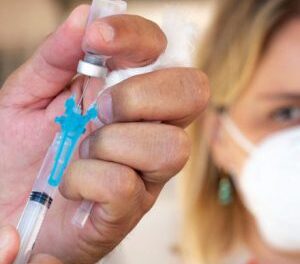
CHENNAI, INDIA — In a major public health intervention aimed at eliminating a deadly yet preventable disease, the Greater Chennai Corporation (GCC) will launch a massive citywide anti-rabies vaccination campaign in the second week of August 2026. Targeting approximately 200,000 (2 lakh) free-roaming stray dogs across all municipal zones, the initiative also extends free rabies and anti-parasite immunizations to household pets. Public health officials and infectious disease experts emphasize that controlling rabies in animal reservoirs is the single most effective strategy to prevent fatal human infections, placing Chennai’s civic drive at the center of regional disease elimination efforts.
Stopping Rabies at the Animal Reservoir
Rabies is a viral zoonotic disease that attacks the central nervous system. Once clinical symptoms appear, the virus is virtually 100% fatal. However, it is also 100% preventable. According to data from the World Health Organization (WHO), domestic dogs are responsible for up to 99% of rabies transmissions to humans, primarily through bites, scratches, or direct contact with infectious saliva.
Global health agencies estimate that mass dog vaccination programs are the most cost-effective and sustainable way to break this transmission chain. Public health models demonstrate that when a community achieves and maintains a 70% vaccination coverage rate among local dog populations, the herd immunity threshold is reached—stopping the virus from circulating among animals and effectively eliminating the risk of spillover into human populations.
| Public Health Metric | Value / Standard |
| Global Human Rabies Fatalities | ~59,000 annually (majority in Asia & Africa) |
| Primary Vector | Domestic & stray dogs (causes ~99% of human cases) |
| Herd Immunity Threshold | 70% dog population vaccination coverage |
| Immediate First Aid | Wash wound with soap & running water for 15 minutes |
Expanding Scale: From 1.47 Lakh to 2 Lakh Dogs
The upcoming August drive represents a significant scaling up of Chennai’s public health infrastructure. Last year, civic authorities successfully vaccinated roughly 147,000 (1.47 lakh) stray dogs out of an estimated population of 180,000.
Recognizing a likely growth in the canine population, the GCC has raised this year’s target to 200,000 animals. Reaching this ambitious milestone would push Chennai past the critical 70% threshold required for effective community-wide protection.
+---------------------------------------------------------------------------------+
|                       GCC ANTI-RABIES COVERAGE TRAJECTORY                       |
+---------------------------------------------------------------------------------+
|                                                                                 |
| 2025 Coverage:  [████████████████████████████████████░░░░] 1.47 Lakh / 1.80 Lakh|
|                                                                                 |
| 2026 Goal:      [████████████████████████████████████████] 2.00 Lakh (Expanded) |
|                                                                                 |
+---------------------------------------------------------------------------------+
Beyond stray animal management, municipal officials are calling on pet owners across all civic zones to participate in the free immunization drive.
“Vaccinating domestic pets is not merely a matter of individual animal care; it is an imperative line of defense for the entire neighborhood,” explains Dr. Aris Thorne, a senior epidemiological consultant not affiliated with the municipal drive. “A single unvaccinated pet can act as a bridge between wild or stray animal reservoirs and human households. Comprehensive coverage must encompass both owned and unowned animals to create a robust public health buffer.”
To ensure long-term sustainability, the GCC is integrating the vaccination initiative with its existing Animal Birth Control (ABC) program. Several ABC centers are currently operational across the city, with additional state-of-the-art facilities scheduled to open soon, combining surgical sterilization with routine immunization to manage population growth humanely.
The Science of Mass Canine Vaccination
The scientific foundation supporting Chennai’s policy is anchored in decades of peer-reviewed epidemiological research. Landmark studies led by Dr. Sarah Cleaveland, a professor of comparative epidemiology at the University of Glasgow and a leading global authority on rabies control, demonstrate that mass dog vaccination is vastly superior—both economically and epidemiologically—to relying solely on post-exposure treatments for humans.
Research published by Dr. Cleaveland and her colleagues in journals such as The Lancet and PLOS Neglected Tropical Diseases reveals that post-exposure prophylaxis (PEP) administered to bite victims, while life-saving on an individual level, fails to reduce disease prevalence in the environment. In contrast, mass canine immunization attacks the root cause, systematically clearing the virus from urban ecosystems.
Implementation Challenges and Real-World Limitations
While public health experts broadly acclaim the drive, they also note that execution in a dense metropolis presents formidable logistics hurdles:
-
Population Mobility and Turn-Over: Canine populations in urban centers fluctuate rapidly due to high birth rates and natural mortality. A single, high-coverage vaccination campaign offers temporary protection; sustained annual catch-up rounds are essential to vaccinate incoming litters.
-
Catch-and-Release Logistics: Efficiently catching, vaccinating, marking, and releasing free-roaming dogs requires trained personnel, humane handling equipment, and precise neighborhood tracking systems.
-
Public Education Gaps: Even with universal dog vaccination, human exposure risks remain if individuals do not recognize the immediate medical urgency of an animal bite or scratch.
“Mass vaccination is a monumental step forward, but it is not an absolute silver bullet,” notes Dr. Thorne. “Public health authorities must pair animal-level interventions with persistent public education regarding bite prevention and immediate post-exposure protocols.”
What Residents Should Do: Protocols for Prevention and Exposure
Public health agencies advise residents to take concrete action during the citywide drive:
1. Protect Household Pets
Ensure all domestic dogs and cats are brought to GCC clinics or participating neighborhood centers for free rabies shots and anti-parasitic treatments, regardless of prior vaccination history.
2. Practice Animal Safety
Avoid approaching unfamiliar, free-roaming, or visibly distressed animals. Teach children never to disturb feeding or sleeping dogs.
3. Immediate Post-Exposure Action
If bitten, scratched, or exposed to the saliva of any animal (even a vaccinated pet):
-
Wash the Wound Immediately: Flush the exposed area thoroughly with soap and running water for at least 15 minutes. This simple step physically reduces viral load at the contact site.
-
Apply Antiseptic: Apply povidone-iodine or 70% alcohol to the wound.
-
Seek Urgent Medical Evaluation: Visit a hospital or clinic immediately for professional assessment. If indicated, start the post-exposure prophylaxis (PEP) vaccine series without delay. PEP is highly effective when administered promptly prior to symptom onset.
References
-
AP7AM Health Desk. “Chennai Corporation targets 2 lakh stray dogs in major anti-rabies vaccination drive.” Published August 5, 2026. https://www.ap7am.com/en/132929/chennai-corporation-targets-2-lakh-stray-dogs-in-major-anti-rabies-vaccination-drive
Medical Disclaimer: This article is for informational purposes only and should not be considered medical advice. Always consult with qualified healthcare professionals before making any health-related decisions or changes to your treatment plan. The information presented here is based on current research and expert opinions, which may evolve as new evidence emerges.


Happy
0 %

Sad
0 %

Excited
0 %

Sleepy
0 %

Angry
0 %

Surprise
0 %