 0
0
 0
0
Read Time:5 Minute, 30 Second
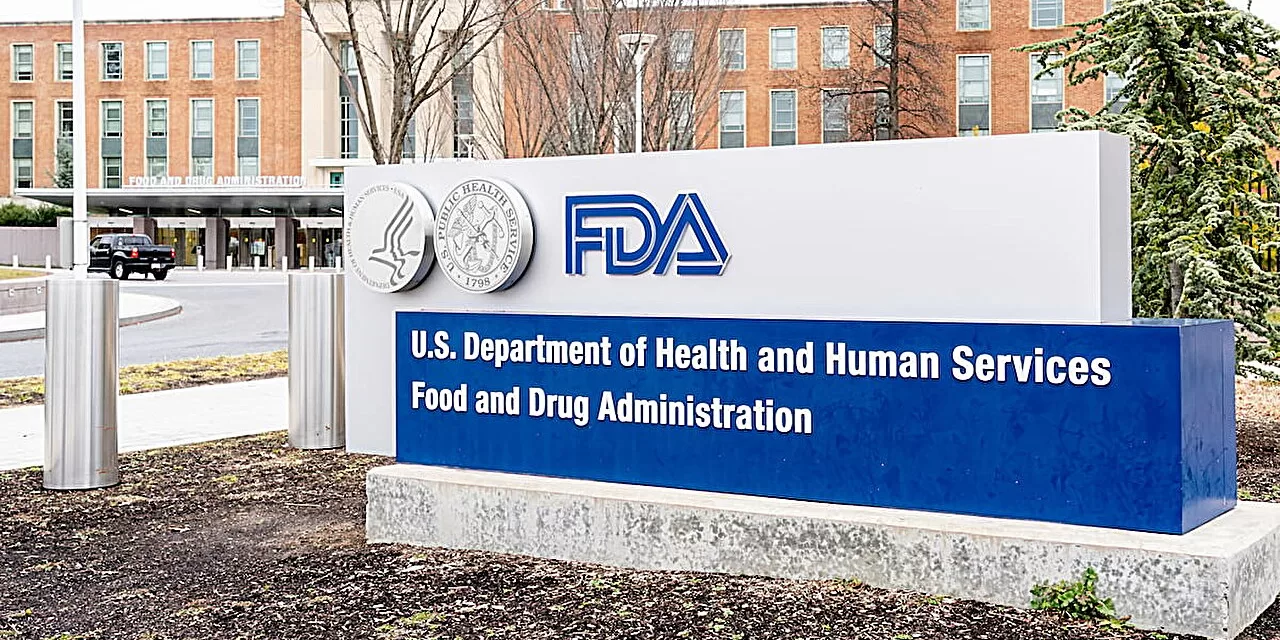
WASHINGTON — In a historic shift for sleep medicine, the U.S. Food and Drug Administration on Wednesday approved Takeda Pharmaceuticals’ Orzeyful (oveporexton), marking the first treatment for narcolepsy type 1 that directly targets the underlying biological cause of the disorder. Rather than simply managing individual symptoms, the twice-daily oral pill replaces missing brain signals to treat the condition as a unified whole. The approval offers transformational hope to an estimated 120,000 Americans living with this chronic, debilitating neurological condition.
A Paradigm Shift in Treatment Architecture
For decades, clinicians managing narcolepsy type 1 were forced to employ a polypharmacy approach. Patients often balanced daytime stimulants (such as modafinil) for excessive daytime sleepiness, antidepressants to mitigate sudden muscle weakness, and nighttime sedatives (such as sodium oxybate) to force restful sleep. While these therapies manage isolated symptoms, none restored the broken neural architecture driving the disease.
Orzeyful breaks this pattern as the first selective orexin receptor 2 (OX2R) agonist cleared in the United States. It directly binds to and activates OX2R receptors in the brain, functioning as a synthetic surrogate for orexin (also known as hypocretin)—the essential neurotransmitter responsible for maintaining wakefulness, regulating rapid eye movement (REM) sleep, and stabilizing muscle tone.
“For too long, people with narcolepsy type 1 have had to manage a complex, lifelong neuropsychiatric condition with treatments that only address pieces of it,” stated Dr. Tiffany R. Farchione, Director of the Division of Psychiatry within the FDA’s Center for Drug Evaluation and Research. “This new drug is the first medicine that impacts the underlying biology of the disease, treating narcolepsy type 1 as a whole.”
Understanding Narcolepsy Type 1
Narcolepsy type 1 (NT1), formerly referred to as narcolepsy with cataplexy, is an autoimmune-mediated neurological disorder where the brain’s immune system mistakenly destroys roughly 70,000 to 90,000 orexin-producing neurons located in the hypothalamus.
Without sufficient orexin signaling, the brain’s boundary between waking state and REM sleep deteriorates. This structural breakdown gives rise to a debilitating cluster of persistent 24-hour symptoms:
-
Excessive Daytime Sleepiness (EDS): Irresistible, sudden “sleep attacks” occurring throughout normal waking hours.
-
Cataplexy: Sudden loss of voluntary muscle tone triggered by strong emotions such as laughter, surprise, or anger, ranging from minor facial sagging to total physical collapse.
-
Sleep Intrusion Phenomena: Hypnagogic hallucinations (vivid, terrifying dreamlike visions during sleep onset) and sleep paralysis.
-
Severely Fragmented Nighttime Sleep: Frequent nighttime awakenings, compounding daytime exhaustion.
While formal registries estimate around 120,000 affected individuals in the United States, advocacy groups note that underdiagnosis and misdiagnosis—frequently as depression, laziness, or schizophrenia—mean the true population burden is substantially higher.
Clinical Trial Benchmarks: Restoration of Normalcy
The FDA’s regulatory decision was backed by rigorous data from two global Phase 3 clinical trials, FirstLight (NCT06470828) and RadiantLight (NCT06505031), encompassing 273 adults with narcolepsy type 1 across 19 countries.
+-----------------------------------------------------------------------------------+
|                            Phase 3 Clinical Outcomes                              |
+------------------------------------+----------------------------------------------+
| Primary Endpoint                   | Statistically significant improvement in      |
|                                    | Maintenance of Wakefulness Test (MWT) scores |
|                                    | (p < 0.001 vs. placebo) |
+------------------------------------+----------------------------------------------+
| Cataplexy Reduction                | Dramatic decrease in weekly muscle weakness  |
|                                    | episodes               |
+------------------------------------+----------------------------------------------+
| Daily Functioning & Cognition      | ~70% of treated patients reported no         |
|                                    | significant cognitive difficulties (vs. ~15% |
|                                    | on placebo)                    |
+------------------------------------+----------------------------------------------+
| Long-Term Retention                | >95% of trial completers voluntarily enrolled |
|                                    | in the ongoing extension study
+------------------------------------+----------------------------------------------+
Phase 2 findings published in the New England Journal of Medicine previously demonstrated that oveporexton extended sleep latency (the ability to remain awake in a dark, quiet room) by an average of 12.5 to 25.4 minutes depending on dosage, compared to a negative 1.2-minute decline in placebo cohorts.
During trial monitoring, adverse events were generally mild to moderate. The most commonly reported side effects included initial insomnia (48%, which predominantly resolved within the first week of treatment), increased urinary frequency (32%), urinary urgency (33%), and increased saliva production. Notably, researchers detected no signs of drug-induced liver injury or hepatotoxicity—a safety threshold that previous experimental orexin drugs failed to cross.
Expert Commentary and Community Impact
Outside sleep specialists have hailed the arrival of targeted orexin agonists as the single most critical breakthrough in sleep medicine since the discovery of hypocretin itself in the late 1990s.
“This is a historic moment for the narcolepsy community,” said Julie Flygare, J.D., President and CEO of Project Sleep, who lives with type 1 narcolepsy. “The approval gives new hope to people living with type 1 narcolepsy, like myself, and marks the beginning of a new era of orexin innovation.”
For patient advocates, the primary value lies in cognitive recovery and restored independence. Because orexin regulates brain networks responsible for attention, replacing this messenger allows patients to regain executive functioning, drive safely, and maintain full-time employment without experiencing erratic involuntary sleep entries.
Practical Considerations and Access Challenges
Despite widespread enthusiasm, healthcare providers and patients face immediate operational hurdles before Orzeyful reaches pharmacy shelves:
-
DEA Controlled Substance Scheduling: Because Orzeyful alters central nervous system pathways, it has been submitted for scheduling under the Controlled Substances Act. The U.S. Drug Enforcement Administration (DEA) is expected to issue a final classification within 90 days, during which time the drug cannot be legally dispensed.
-
Specialty Pharmacy Distribution: Takeda confirmed the drug will be made available exclusively through specialized distribution networks rather than retail community pharmacies.
-
Drug-Drug Interactions: Pharmacists emphasize that Orzeyful interacts with hepatic enzyme pathways and should not be co-administered with strong CYP3A inhibitors.
-
Pediatric Limitations: Current approval is restricted strictly to adults aged 18 and older. Clinical investigations evaluating safety and efficacy in pediatric populations remain ongoing.
-
Coverage and Pricing: Premium pricing is anticipated for this first-in-class biologic agent, meaning prior authorizations and stepped-care protocols from private health insurers will likely present initial access barriers.
The Road Ahead
The regulatory green light for Orzeyful establishes proof-of-concept for targeted orexin therapies. Major pharmaceutical developers are actively running parallel trials testing similar OX2R agonists for narcolepsy type 2 (which lacks cataplexy), idiopathic hypersomnia, and neurodegenerative fatigue conditions like Parkinson’s disease.
For the narcolepsy community, however, the immediate focus centers on commercial availability following DEA scheduling—offering thousands of patients their first opportunity to treat the root cause of their condition rather than its shadow.
Medical Disclaimer: This article is for informational purposes only and should not be considered medical advice. Always consult with qualified healthcare professionals before making any health-related decisions or changes to your treatment plan. The information presented here is based on current research and expert opinions, which may evolve as new evidence emerges.
References
- https://www.reuters.com/business/healthcare-pharmaceuticals/us-fda-approves-takedas-sleep-disorder-pill-2026-08-05/


Happy
0 %

Sad
0 %

Excited
0 %

Sleepy
0 %

Angry
0 %

Surprise
0 %