 0
0
 0
0
Read Time:6 Minute, 20 Second
ATLANTA — More than 3,000 clinical cases of Candida auris, an emerging drug-resistant fungus capable of causing severe and potentially fatal infections, have been reported across 23 U.S. states this year, according to updated surveillance data from the Centers for Disease Control and Prevention (CDC). Federal health officials and infectious disease experts are advising heightened vigilance in healthcare facilities, where the resilient pathogen spreads most easily among critically ill patients.
As of July 18, 2026, the CDC recorded 3,130 confirmed clinical cases nationwide. While the number underscores a persistent public health challenge, data indicate that transmission has stabilized rather than accelerated, closely matching the 3,348 cases reported during the same period last year. Texas reported the highest burden with 706 confirmed cases, followed by Michigan (503) and Illinois (366).
Classified as a “critical priority” pathogen by the World Health Organization (WHO), C. auris poses little danger to the general public. However, its unusual ability to withstand common antifungal treatments and persist on hospital surfaces makes it a formidable threat inside intensive care units and long-term care settings.
What Is Candida auris?
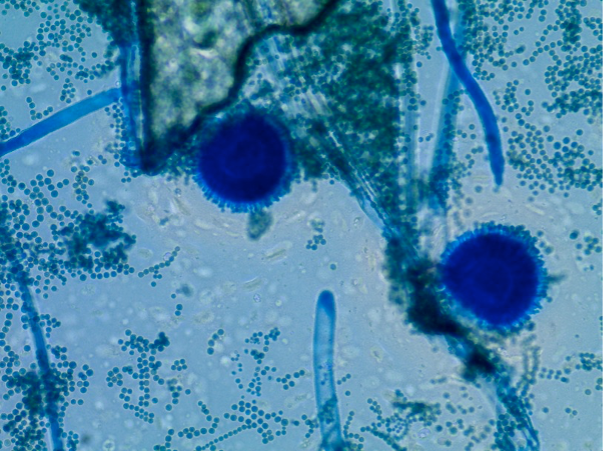
Candida auris is an emerging species of yeast—a single-celled fungus—first isolated in 2009 from the ear canal of a patient in Japan (the Latin word auris translates to “ear”). Unlike its common relative Candida albicans, which typically causes mild conditions like thrush or routine yeast infections, C. auris behaves like a high-consequence superbug.
Since its discovery, the pathogen has been identified in more than 60 countries. The first U.S. cases were detected in 2016, prompting nationwide surveillance. What sets C. auris apart from other fungal species is its distinct propensity for multidrug resistance.
“Most fungal infections we treat in clinical practice respond predictably to standard first-line therapies,” explains Dr. Elena Rostova, an independent infectious disease epidemiologist not involved in the CDC report. “Candida auris defies that pattern. It routinely displays resistance to azoles and polyenes, and in some concerning instances, even to echinocandins—our primary line of defense.”
| Key Characteristics of Candida auris | Clinical Reality |
| Primary Setting | Hospitals, ICUs, and long-term acute care facilities |
| Drug Resistance | Frequently resistant to 1 or 2 main classes; occasionally pan-resistant |
| Environmental Persistence | Can survive weeks on hard surfaces, bedding, and medical hardware |
| Transmission Route | Direct physical contact or shared contaminated medical equipment |
How the Superbug Spreads in Healthcare Settings
Unlike respiratory viruses such as influenza or SARS-CoV-2, C. auris does not spread through the air. Instead, transmission occurs primarily through direct physical contact with an infected or colonized individual, or by touching contaminated surfaces and invasive medical devices.
The fungus forms durable biofilms that cling to inanimate objects, including:
-
Central venous catheters and intravenous lines
-
Mechanical ventilators and breathing tubes
-
Urinary catheters and feeding tubes
-
Bed rails, blood pressure cuffs, and mobility equipment
A major hurdle in containment is asymptomatic colonization. Individuals can carry C. auris on their skin, in surgical wounds, or at device insertion sites without showing any signs of illness. These individuals can unknowingly shed microscopic fungal cells onto hospital bedding, furniture, and medical tools, fueling silent chains of transmission across healthcare units.
Who Is Most vulnerable?
Health authorities emphasize that healthy individuals in the community face an extremely low risk of contracting C. auris. The fungus rarely infects people with intact immune systems and healthy skin barriers.
The threat is concentrated almost entirely among hospitalized individuals with severe underlying medical conditions.
Major Risk Factors Include:
-
Prolonged Hospitalization: Extended stays in intensive care units (ICUs) or long-term acute care centers.
-
Invasive Devices: Reliance on central lines, urinary catheters, or mechanical ventilation, which bypass the body’s natural physical defenses.
-
Immunocompromised Status: Weakened immunity due to chemotherapy, organ transplantation, advanced age, or immunosuppressive medications.
-
Frequent Antibiotic or Antifungal Exposure: Heavy prior use of broad-spectrum antimicrobials, which disrupts normal microbial flora and gives resistant strains a competitive edge.
Clinical Symptoms and Mortality Context
C. auris can cause a range of clinical manifestations depending on where the organism takes root. Localized infections may appear in surgical wounds, the bloodstream, or the ear canal.
When the fungus enters the bloodstream—a condition known as candidemia—it can cause high fever, chills, low blood pressure, and organ failure. Because patients infected with C. auris are typically already fighting complex medical conditions, distinguishing fungal symptoms from underlying illness presents a diagnostic challenge.
Studies estimate crude mortality rates for invasive C. auris infections between 30% and 60%. However, medical experts urge caution when interpreting these statistics.
“A crude mortality rate of 50% does not mean the fungus alone kills half of the people who contract it,” notes Dr. Rostova. “Many of these patients are critically ill with severe organ dysfunction, sepsis, or advanced disease. It is often difficult to separate deaths caused directly by C. auris from deaths where the fungus was an contributing factor.”
Treatment Challenges and Infection Control
Treating C. auris requires careful clinical management. Echinocandins—administered intravenously—remain the recommended initial therapy for most cases. However, because resistance patterns vary significantly between strains, clinical microbiology laboratories must perform specialized antifungal susceptibility testing to guide treatment.
Preventing the spread of C. auris within healthcare networks requires a multi-layered containment strategy:
-
Screening and Early Surveillance: Proactive skin swabbing of high-risk patients admitted to specialized care units to identify silent carriers.
-
Contact Precautions: Isolating colonized or infected patients in single-occupancy rooms with dedicated medical equipment.
-
Rigorous Hand Hygiene: Enforcing strict handwashing and alcohol-based rub protocols for healthcare personnel and visitors.
-
Targeted Disinfection: Using EPA-registered hospital disinfectants specifically proven effective against C. auris, as standard quaternary ammonium cleaners often fail to eradicate the yeast.
Study Limitations and Surveillance Gaps
While national surveillance provides critical insights, public health experts acknowledge several limitations in current data collection.
First, standard automated laboratory equipment found in many community hospitals can misidentify C. auris as other yeast species, such as Candida haemulonii or Saccharomyces cerevisiae. Without specialized testing techniques like MALDI-TOF mass spectrometry or genomic sequencing, some cases may go undetected or unrecorded.
Second, because surveillance intensity varies by state, higher reported case counts in places like Texas, Michigan, and Illinois may partly reflect more aggressive screening protocols rather than true disparities in regional prevalence.
What This Means for Readers
For the general public, the current tracking data should be a source of awareness rather than anxiety. C. auris does not circulate in everyday community environments like schools, offices, or grocery stores.
For individuals managing chronic health conditions or caring for loved ones in long-term care facilities, practical protective steps include:
-
Advocate for Cleanliness: Do not hesitate to ask healthcare staff if they have sanitized their hands and equipment before examining a patient.
-
Device Care: Ensure invasive lines, catheters, and dressing sites are kept clean, dry, and evaluated daily for removal.
-
Practice Hand Hygiene: Wash hands thoroughly with soap and water after touching medical equipment, bandages, or hospital surfaces.
For healthcare teams, maintaining strict adherence to isolation protocols and practicing vigilant antimicrobial stewardship remain the most effective defenses against the silent spread of this resilient pathogen.
Medical Disclaimer: This article is for informational purposes only and should not be considered medical advice. Always consult with qualified healthcare professionals before making any health-related decisions or changes to your treatment plan. The information presented here is based on current research and expert opinions, which may evolve as new evidence emerges.
References
- https://timesofindia.indiatimes.com/world/us/over-3000-cases-of-deadly-fungus-candida-auris-reported-in-us-what-it-is-how-it-spreads-explained/articleshow/132933092.cms


Happy
0 %

Sad
0 %

Excited
0 %

Sleepy
0 %

Angry
0 %

Surprise
0 %