 0
0
 0
0
Read Time:5 Minute, 9 Second
OTTAWA, Ontario — In a significant step for global biosecurity and epidemic response, Health Canada has authorized Moderna to initiate a Phase 1 human clinical trial for an experimental messenger RNA (mRNA) vaccine targeting the Bundibugyo strain of the Ebola virus. The first participants have received initial doses across three clinical sites in Canada.
The trial comes as public health authorities grapple with a rapidly escalating Ebola virus disease (EVD) outbreak centered in the Democratic Republic of the Congo (DRC). While licensed vaccines exist for the well-known Zaire strain of Ebola, no approved vaccine or targeted treatment currently exists for the distinct Bundibugyo strain. The early-stage trial, expected to enroll approximately 80 healthy adult volunteers, is designed to evaluate whether the experimental vaccine, designated mRNA-1469, is safe, well-tolerated, and capable of generating an immune response.
Addressing a Critical Medical Gap
The ongoing crisis in Central Africa has reignited international urgency surrounding filoviruses—the family of viruses that cause severe, often fatal hemorrhagic fevers. Declared a Public Health Emergency of International Concern (PHEIC) by the World Health Organization (WHO) and a Public Health Emergency of Continental Security (PHECS) by Africa CDC, the outbreak has surpassed 3,800 cases and resulted in over 1,700 deaths.
| Key Outbreak Metrics & Trial Profile | Details |
| Pathogen Strain | Bundibugyo ebolavirus (BDBV) |
| Existing Licensed Vaccine | None for Bundibugyo (ERVEBO® applies only to Zaire ebolavirus) |
| Trial Candidate Name | mRNA-1469 (Moderna) |
| Study Phase & Location | Phase 1 (First-in-Human) across 3 sites in Canada |
| Participant Size | ~80 healthy adult volunteers |
| Funding Partner | Coalition for Epidemic Preparedness Innovations (CEPI, up to $50M) |
“Getting Moderna’s vaccine candidate into a Phase 1 trial this rapidly is a major step forward in the fight against this deadly outbreak,” said Dr. Richard Hatchett, Chief Executive Officer of the Coalition for Epidemic Preparedness Innovations (CEPI). “This fast-growing epidemic is already the second-largest Ebola outbreak in history, and cases are rising more quickly than they did in the 2014–2016 West Africa epidemic. Every day matters, and every vaccine candidate in clinical trials gives us another shot at getting a safe, effective vaccine to the people who need it as swiftly as possible.”
While ERVEBO (manufactured by Merck) has been instrumental in controlling Zaire ebolavirus outbreaks over the last decade, genetic differences between Ebola species mean that immunity against the Zaire strain does not cross-protect against the Bundibugyo strain. This leaves affected communities and healthcare workers vulnerable when a non-Zaire strain emerges.
How the Technology Works
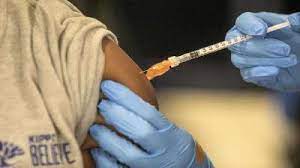
The candidate vaccine, mRNA-1469, leverages the same synthetic genetic platform popularized during the COVID-19 pandemic. Rather than injecting weakened or inactivated viral particles, mRNA vaccines deliver genetic instructions wrapped in lipid nanoparticles.
Once inside muscle cells near the injection site, these instructions prompt the body to temporarily produce a harmless protein characteristic of the Bundibugyo strain. The immune system recognizes this protein as foreign and produces neutralizing antibodies alongside cellular defenses. If the individual is later exposed to the real virus, their immune system can quickly neutralize it before severe disease takes hold.
Scientific Insight: Unlike traditional viral vector or protein-subunit vaccines, mRNA platforms allow rapid design and scalable manufacturing. This flexibility is vital when responding to sudden outbreaks of regional viral strains.
Broadening the Outbreak Toolkit
CEPI has committed up to US $50 million to support preclinical testing, the Canadian Phase 1 trial, and parallel clinical batch manufacturing. This parallel approach ensures that if early safety and immunogenicity data prove positive, larger Phase 2 and Phase 3 efficacy trials in affected regions can begin without delays caused by production bottlenecks.
As part of its agreement with CEPI, Moderna has committed to supplying a minimum of 500,000 doses for low- and middle-income countries under access pricing if the vaccine successfully completes development and earns regulatory authorization.
However, infectious disease experts independent of the study emphasize that a Phase 1 trial is an initial research step, not an immediate clinical solution.
“Phase 1 studies are designed primarily to look at safety, dosage levels, and preliminary antibody markers in healthy individuals who are not currently exposed to the virus,” noted Dr. Aris Thorne, an independent epidemiologist and global health security researcher not involved in the trial. “It does not tell us yet whether the shot prevents actual disease in a real-world setting. Translating Phase 1 safety data into full clinical efficacy requires time, careful surveillance, and subsequent trials in regions where transmission is actively occurring.”
Moreover, experts stress that vaccines represent only one pillar of an effective outbreak response. Containing Ebola relies heavily on fundamental public health measures:
-
Early Case Detection & Isolation: Identifying infected individuals quickly to provide supportive care and prevent secondary transmission.
-
Rigorous Contact Tracing: Tracking potential exposures to interrupt transmission chains.
-
Community Engagement: Building trust with local populations regarding safe burial practices and medical care.
-
Experimental Antivirals: Utilizing emerging therapeutics to lower mortality rates among hospitalized patients.
What This Means for the Public
For the general public outside active transmission zones in Central Africa, this announcement does not indicate an immediate health threat or require personal action. The risk of contracting Ebola in North America or Europe remains extremely low.
Instead, the authorization serves as a key indicator of improved global pandemic preparedness. Historically, vaccine development for emerging tropical pathogens took over a decade. The ability to advance a target-specific candidate into human testing within months of a regional surge demonstrates a fundamental shift in how global health agencies respond to emerging threats.
Initial safety and immunogenicity results from the Canadian trial are anticipated in the coming months. If successful, researchers hope to advance mRNA-1469 into expanded field trials, adding a critical defense tool to the global public health arsenal.
References
-
https://www.ndtv.com/health/canada-authorizes-clinical-trials-of-moderna-ebola-vaccine-11866548
Medical Disclaimer: This article is for informational purposes only and should not be considered medical advice. Always consult with qualified healthcare professionals before making any health-related decisions or changes to your treatment plan. The information presented here is based on current research and expert opinions, which may evolve as new evidence emerges.


Happy
0 %

Sad
0 %

Excited
0 %

Sleepy
0 %

Angry
0 %

Surprise
0 %