 0
0
 0
0
Read Time:6 Minute, 17 Second
BENGALURU, AUGUST 6, 2026 — In a landmark shift for public health policy in South Asia, the state of Karnataka has announced a comprehensive health initiative dedicated specifically to midlife women, positioning menopause at its core. Named “Ruthuthare,” the state-wide scheme aims to dismantle centuries of social stigma surrounding female reproductive ageing while establishing structured screening, preventive care, and specialized medical referrals for millions of women across urban and rural communities.
The policy framework, announced by Karnataka Health and Family Welfare Minister U.T. Khader during a summit on women’s health in Bengaluru, marks the first time an Indian state government has formally integrated menopausal health into mainstream public health strategy.
For decades, reproductive health programs in low- and middle-income countries have focused overwhelmingly on maternal, child, and adolescent care. Experts say Karnataka’s move signals a necessary pivot toward addressing the health needs of ageing populations.
“For too long, menopause has been treated as a silent phase of life that women must endure without support,” said Minister Khader during the launch address. “Through Ruthuthare, we are transforming menopause from a neglected, private struggle into a public health priority grounded in dignity, medical science, and routine clinical care.”
The Public Health Calculus: Why Menopause Demands Attention
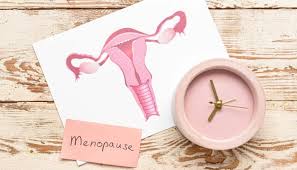
Menopause—defined by the World Health Organization (WHO) as the permanent cessation of menstruation, confirmed after 12 consecutive months without a period—is a natural biological transition rather than a disease. However, the accompanying hormonal fluctuations can profoundly alter a woman’s physiological and psychological well-being.
During perimenopause (the multi-year transition leading up to menopause), declining and erratic oestrogen levels frequently trigger systemic symptoms. Globally, these include vasomotor symptoms (hot flushes, night sweats), sleep disruption, cognitive changes (“brain fog”), mood disorders, and genitourinary syndrome of menopause (GSM).
In India, the health burden is compounded by a biological reality: Indian women reach menopause significantly earlier than their global counterparts.
While the global average age of natural menopause ranges between 45 and 55 years, a landmark pan-India survey published in the Journal of Mid-life Health covering 2,108 women across 21 cities identified a mean menopause age of 46.2 years in Indian women.
┌───────────────────────────────────────────────────────────┐
│              NATURAL MENOPAUSE ONSET AGES                 │
├───────────────────────────────────────────────────────────┤
│ Global Average:  [45 to 55 Years]                         │
│ Indian Average:  [46.2 Years] ◄── Earlier Onset Risk      │
└───────────────────────────────────────────────────────────┘
This earlier transition exposes Indian women to prolonged postmenopausal years characterized by oestrogen deficiency. The long-term physiological consequences are substantial:
-
Skeletal Degradation: Oestrogen is crucial for bone remodeling. Postmenopausal women face accelerated bone density loss, dramatically elevating risks for osteoporosis and fragility fractures.
-
Cardiovascular Vulnerability: Diminished oestrogen correlates with unfavorable lipid shifts, altered vascular reactivity, and heightened metabolic risks. Vascular disease remains the leading cause of mortality among postmenopausal women worldwide.
“When menopause occurs earlier, women spend a larger proportion of their lives living with elevated bone and cardiovascular vulnerability,” notes Dr. Jyotsna Mirlay, a senior consultant in midlife women’s health leading the policy’s expert advisory committee. “Addressing midlife health is not simply about treating hot flushes; it is a critical window for preventive cardiology, endocrinology, and rheumatology.”
Inside Project “Ruthuthare”: From Grassroots to Specialized Clinics
According to state government demographics, Karnataka is home to approximately 4.2 million (42 lakh) women aged between 40 and 60 years. Health officials estimate that roughly 10% to 15% of this demographic will require direct medical interventions beyond lifestyle modification.
To reach this vast population, Karnataka’s policy employs a phased, hub-and-spoke delivery framework:
-
Grassroots Door-to-Door Surveys: Accredited Social Health Activists (ASHAs) and auxiliary nurse midwives (ANMs) will be trained to conduct household screenings using a standardized symptomatic checklist to identify women experiencing severe perimenopausal or postmenopausal distress.
-
Community-Level Psychoeducation: ASHA workers will deliver community education modules targeted not only at midlife women, but also at husbands and family members to reduce domestic social friction and domestic stigma.
-
Specialized Mid-Life Clinics: The state plans to establish dedicated Mid-Life Women’s Clinics at taluk (sub-district) and district hospitals. These hubs will offer specialized gynaecological consultations, psychological counselling, and access to diagnostic equipment.
-
Advanced Osteoporosis Screening: The government is evaluating the procurement of Dual-energy X-ray Absorptiometry (DEXA) scanners for district-level facilities to perform precise bone density assessments.
                  ┌────────────────────────┐
                  │    ASHA Grassroots     │
                  │   Household Screening  │
                  └───────────┬────────────┘
                              │
                              ▼
                  ┌────────────────────────┐
                  │   Taluk Health Hubs    │
                  │ Standard Care & Support│
                  └───────────┬────────────┘
                              │
                              ▼
                  ┌────────────────────────┐
                  │ District Mid-Life Hub  │
                  │ DEXA & Specialist Care │
                  └────────────────────────┘
Independent health experts have voiced support for the policy’s grassroots design while cautioning against over-pathologizing a normal life stage.
“Integrating menopause education into the ASHA workforce is a masterstroke for health literacy,” says Dr. Sunita Kulkarni, an independent public health consultant in New Delhi not involved in the policy’s drafting. “However, frontline health workers must be carefully trained to serve as navigators, not diagnosticians. Their role is to destigmatize symptoms, screen for red flags, and refer women to medical professionals.”
Clinical Management: Balancing Lifestyle and Medical Therapeutics
For patients and primary care physicians navigating midlife health, expert guidelines emphasize an individualized approach to treatment.
While lifestyle modifications form the foundation of healthy midlife transition, severe symptoms frequently demand targeted clinical therapies.
| Intervention Category | Clinical Considerations | Medical Indications & Safeguards |
| Lifestyle & Preventive | Resistance training, balanced calcium/vitamin D intake, tobacco cessation | Recommended universally to mitigate bone loss and metabolic slowdown. |
| Hormone Therapy (MHT) | Systemic oestrogen/progestin or local transdermal therapies | Highly effective for vasomotor symptoms and GSM. Must be individualised based on age, time since menopause, and cardiovascular/breast cancer risk profiles. Not recommended solely for chronic disease prevention. |
| Non-Hormonal Options | SSRIs/SNRIs, gabapentinoids, and modern neurokinin 3 receptor antagonists | Preferred for women with contraindications to hormone therapy (e.g., history of oestrogen-sensitive cancers). |
| Diagnostic Evaluation | Rapid assessment of postmenopausal bleeding | Red Flag: Any vaginal bleeding occurring >12 months after period cessation mandates immediate gynaecological evaluation to rule out endometrial pathology. |
International guidelines, including recommendations from the National Institute for Health and Care Excellence (NICE) and the Indian Menopause Society (IMS), stress that menopausal hormone therapy (MHT) should remain a shared decision between patient and practitioner, tailored to individual risk-benefit ratios.
Implementation Challenges and Remaining Questions
While public health advocates have lauded Ruthuthare as a progressive leap, several implementation hurdles remain to be addressed:
-
Clinical Capacity: Primary healthcare centers across India frequently face supply-chain bottlenecks and shortages of specialized gynaecologists. Ensuring that referral pathways lead to actual medical care rather than prolonged wait times is critical.
-
Targeted Inclusivity: The policy must address vulnerable sub-populations, including women experiencing surgically or medically induced menopause (often secondary to high rates of hysterectomy in rural areas), transgender individuals, and socioeconomically marginalized communities.
-
Data Integrity: Reliable epidemiological tracking across rural and urban centers will be required to evaluate whether early intervention successfully reduces long-term fracture rates or cardiovascular events.
Despite these operational hurdles, Karnataka’s policy establishes an unprecedented template for women’s healthcare across the Global South. By acknowledging that reproductive care does not end when fertility ceases, the initiative lays the groundwork for healthier, more empowered aging.
References
-
NDTV Health Report. “Karnataka To Roll Out First Of Its Kind Women’s Menopause Health Policy.” Published August 5, 2026. Available at: ndtv.com/health/karnataka-to-roll-out-first-of-its-kind-womens-menopause-health-policy-11868494
Medical Disclaimer: This article is for informational purposes only and should not be considered medical advice. Always consult with qualified healthcare professionals before making any health-related decisions or changes to your treatment plan. The information presented here is based on current research and expert opinions, which may evolve as new evidence emerges.


Happy
0 %

Sad
0 %

Excited
0 %

Sleepy
0 %

Angry
0 %

Surprise
0 %