 0
0
 0
0
Read Time:6 Minute, 22 Second
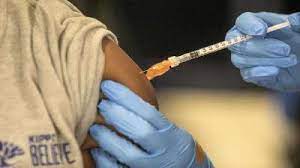
NEW DELHI — Integrating a single, hexavalent (6-in-1) combination vaccine into India’s Universal Immunization Programme (UIP) could drastically reduce the number of painful injections infants receive while alleviating substantial administrative, logistical, and financial pressures on the nation’s healthcare infrastructure, according to a landmark study published in the peer-reviewed journal Human Vaccines & Immunotherapeutics.
Led by Dr. Pawan Kumar and Dr. Kapil Singh from the Ministry of Health and Family Welfare, the economic and operational evaluation demonstrates that transitioning from the current multi-shot schedule to a consolidated 6-in-1 formulation could simplify routine immunization visits, ease the burden on frontline healthcare workers, and potentially generate system-wide economic savings exceeding ₹9,100 million ($110 million), provided procurement prices decrease through scale.
Understanding the Hexavalent Vaccine
The hexavalent vaccine is an all-in-one pediatric formulation that immunizes infants against six severe, potentially life-threatening infectious diseases in a single intramuscular injection:
-
Diphtheria
-
Tetanus
-
Pertussis (Whooping Cough)
-
Hepatitis B
-
Haemophilus influenzae type b (Hib)
-
Poliomyelitis (Polio)
Currently, under India’s public immunization schedule, infants receive protection against these pathogens through a combination of separate injections—primarily the pentavalent vaccine alongside fractional doses of the inactivated polio vaccine (fIPV)—administered at 6, 10, and 14 weeks of age.
Combination vaccines work by delivering antigens from multiple pathogens simultaneously without compromising the immune system’s ability to generate specific antibodies. By consolidating these antigens into a single vial, the hexavalent vaccine effectively reduces the number of needle sticks a child experiences during their first crucial months of life.
Efficiency Gains and Operational Realities
The study evaluated the public health impact of replacing the current pentavalent plus fIPV schedule with the hexavalent alternative across India’s vast public health landscape. The findings reveal compelling systemic advantages:
+-------------------------------------------------------------------------------+
|                       KEY OPERATIONAL ADVANTAGES                              |
+-------------------------------------------------------------------------------+
|  1. Injection Reduction     | Cuts routine needle pricks per visit.           |
|  2. Supply Chain Relief     | Reduces syringe, needle, and disposal volume.   |
|  3. Cold-Chain Efficiency   | Minimizes storage volume in regional hubs.       |
|  4. Health Worker Capacity  | Reduces preparation time for frontline nurses.  |
|  5. Caregiver Burden        | Shortens clinical wait times for families.      |
+-------------------------------------------------------------------------------+
Auxiliary Nurse Midwives (ANMs) and cold-chain handlers spend considerable time preparing individual doses, verifying batch numbers, and managing medical waste. Streamlining this workflow allows healthcare providers to dedicate more time to direct patient care, developmental screening, and parental counseling.
“Our study demonstrates that although the hexavalent vaccine carries a higher upfront procurement cost, it also generates important efficiencies by reducing injections, easing pressure on frontline health workers, lowering cold-chain requirements, and saving caregivers’ time,” noted Dr. Pawan Kumar, lead author of the research.
The Economics: Higher Upfront Cost vs. Long-Term Savings
A central question surrounding the vaccine’s widespread adoption in India is its financial feasibility. Because hexavalent formulations involve complex manufacturing processes, their initial per-dose cost remains higher than purchasing traditional standalone or pentavalent vaccines.
According to the study’s economic modeling:
-
Current Price Dynamics: At current market acquisition costs, transitioning the UIP to a hexavalent vaccine would incur an additional net economic cost of approximately ₹8,821 million (~$106 million) to the government.
-
The Price-Reduction Tipping Point: If government negotiations or domestic manufacturing scale lead to a 50% reduction in vaccine price, the operational savings completely outweigh the purchase price.
-
Net Projected Savings: Under a 50% price-reduction scenario, the health system could achieve a net economic benefit of ₹9,187 million (~$110 million) through diminished supply consumption, streamlined cold-chain logistics, and conserved clinical hours.
                  ECONOMIC IMPACT SCENARIOS

   Current Market Pricing:
   [=======================================] +₹8,821M Net Cost

   With 50% Price Reduction:
   [=======================================] -₹9,187M Net Savings
Clinical Safety, Whole-Cell vs. Acellular Pertussis
From a safety standpoint, hexavalent vaccines are inactivated (non-live) preparations, meaning they cannot cause any of the target diseases in the vaccinated child. Large-scale clinical evaluations across diverse global populations demonstrate that hexavalent formulations maintain a robust safety profile comparable to separate injections.
Expected side effects are typically mild and transient, including:
-
Localized redness, pain, or swelling at the injection site
-
Low-grade fever
-
Mild irritability or restlessness
-
Temporary loss of appetite
Severe adverse events, such as anaphylaxis, remain exceptionally rare.
The Pertussis Choice: DTwP vs. DTaP
In India, hexavalent vaccines are available in two distinct formulations based on the pertussis component:
-
DTwP (Whole-Cell Pertussis): Often termed the “whole-cell” version. The Indian Academy of Pediatrics (IAP) recommends DTwP for primary infant series due to its superior long-term immunogenicity, offering protection lasting approximately 10 to 12 years. However, it carries a higher likelihood of temporary post-vaccination fever and local soreness.
-
DTaP (Acellular Pertussis): Commonly referred to as the “painless” version. DTaP causes significantly fewer mild side effects like fever and swelling, but immunity tends to wane faster (typically within 5 years), requiring earlier booster schedules.
Independent experts emphasize the importance of matching clinical efficacy with population-level health needs.
“Providing protection against six diseases in one shot reduces the number of visits to the clinic and causes less physical distress to the child,” explains Dr. R.K. Agarwal, a leading pediatrician not affiliated with the study. “With a hexavalent schedule, a child needs only two injections—the 6-in-1 and the pneumococcal conjugate vaccine—plus their oral rotavirus drop at each of the 6, 10, and 14-week visits.”
Public Health Implications and Potential Limitations
For India’s Universal Immunization Programme—one of the world’s largest public health interventions targeting over 26 million newborns annually—the broader public health benefits of a 6-in-1 shift could be transformative.
-
Improved Immunization Coverage: Simplifying the schedule minimizes clinic visits, helping reduce dropout rates between initial and follow-up doses.
-
Health Equity: Making hexavalent vaccines freely available in government facilities removes financial barriers for lower-income families who cannot afford private clinic rates (which range from ₹500 to ₹2,500 per dose depending on whether a DTwP or DTaP formulation is selected).
Study Limitations & Nuances
Despite these advantages, health economists and epidemiologists highlight critical caveats:
-
Incomplete Consolidation: While the 6-in-1 shot drastically simplifies childhood protection, it does not replace all infant immunizations. Children still require separate vaccinations for rotavirus, pneumococcal disease, and measles-rubella.
-
Price Dependency: Realizing net financial savings depends entirely on achieving substantial volume-based discounts from vaccine manufacturers.
-
Immunological Monitoring: Health authorities must ensure that co-formulating six antigens maintains balanced antibody responses across all target pathogens over long-term follow-up periods.
What This Means for Parents
While public health authorities evaluate nationwide implementation within the UIP, hexavalent vaccines are currently accessible through private pediatric clinics and selected state-level programs.
Parents navigating routine infant care should keep three key points in mind:
-
Equivalent Protection: A hexavalent shot delivers antibody responses comparable to receiving separate injections for each disease.
-
Reduced Infant Distress: Combining antigens into fewer needle sticks reduces procedural discomfort for babies and stress for caregivers.
-
Consultation is Key: Parents should consult their pediatrician to discuss schedule options, balancing cost considerations, side-effect profiles, and professional guidance regarding whole-cell (DTwP) versus acellular (DTaP) choices.
Medical Disclaimer: This article is for informational purposes only and should not be considered medical advice. Always consult with qualified healthcare professionals before making any health-related decisions or changes to your treatment plan. The information presented here is based on current research and expert opinions, which may evolve as new evidence emerges.
References
-
- Streamlining Childhood Immunization: Study Shows 6-in-1 Vaccine Could Transform India’s Universal Immunization Programme


Happy
0 %

Sad
0 %

Excited
0 %

Sleepy
0 %

Angry
0 %

Surprise
0 %