 0
0
 0
0
Read Time:6 Minute, 24 Second
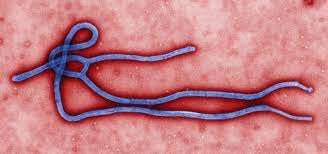
BENI, Democratic Republic of the Congo — A volatile mix of diagnostic delays, armed conflict, mass displacement, and a critical gap in medical countermeasures has allowed the Democratic Republic of the Congo’s (DRC) latest Ebola epidemic to become the largest in its history, spreading roughly five times faster than previous outbreaks at a comparable stage.
Health authorities officially declared the outbreak in northeastern DRC on May 15, 2026, after laboratory testing confirmed the presence of Bundibugyo virus disease in Ituri province. By August 2, data from the U.S. Centers for Disease Control and Prevention (CDC) indicated 3,802 confirmed cases and 1,707 confirmed deaths in the DRC, with isolated cases reported in neighboring Uganda and as far as France. According to a July 30 situation report from the World Health Organization (WHO), the outbreak spans 49 health zones across five provinces, carrying a crude case-fatality ratio of 44%. Ituri province remains the epicenter, accounting for 88% of all confirmed cases.
As total infections trend past the 4,000 mark, global public health epidemiologists warn that standard containment playbooks are being severely tested by a rare strain of the virus for which no licensed vaccines or targeted therapeutics exist.
Delayed Detection Gave the Pathogen a Head Start
In viral hemorrhagic fever control, early detection is paramount. Standard containment relies on rapid case identification, immediate isolation, meticulous contact tracing, and a 21-day monitoring window. In this crisis, however, the virus quietly established community transmission weeks before response teams realized an outbreak was underway.
Initial misdiagnoses were common. Early cases of Bundibugyo virus disease present with non-specific constitutional symptoms—fever, severe fatigue, muscle aches, headache, and sore throat—which closely mimic endemic tropical illnesses like malaria, typhoid, or dengue. Some early patients were misattributed to surgical emergencies such as peritonitis. Furthermore, initial field testing relied on diagnostic assays optimized for other viral strains, failing to flag the Bundibugyo species efficiently. Laboratory logistics further delayed response times, as early patient samples shipped across the country to the capital, Kinshasa, suffered handling and processing setbacks.
“When diagnostic systems lag, transmission chains multiply exponentially behind the scenes,” noted epidemiological field reports during early containment efforts.
By late July, WHO officials estimated that approximately 80% of newly confirmed infections were occurring outside known transmission chains. Response teams were essentially hunting an invisible target, unable to identify where patients contracted the virus or whom they might have exposed. Contact tracing teams have identified over 17,000 contacts, but active follow-up rates hover between 75% and 81% in heavily affected provinces, well below the threshold required to halt transmission.
                      TYPICAL EBOLA CLINICAL PROGRESSION

  Incubation (2–21 Days)      Early Phase (Days 1–3)       Advanced Phase (Days 4+)
 ┌──────────────────────┐   ┌────────────────────────┐   ┌──────────────────────────┐
 │  • Non-contagious    │   │  • High Fever          │   │  • Severe Vomiting       │
 │  • Asymptomatic      │   │  • Fatigue & Myalgia   │   │  • Profuse Diarrhea      │
 │  • Viral replication │ ─►│  • Severe Headache     │ ─►│  • Organ Dysfunction     │
 │    in host tissues   │   │  • Sore Throat         │   │  • Unexplained Bleeding  │
 └──────────────────────┘   └────────────────────────┘   └──────────────────────────┘
Conflict and Displacement Break Containment Lines
The epidemic’s geographic footprint overlaps with one of the world’s most complex humanitarian crises. Eastern DRC has endured decades of armed conflict involving dozens of non-state armed groups.
Violence and insecurity have repeatedly forced response organizations to suspend operations, barricaded supply corridors, and physically blocked epidemiologists from reaching remote villages. Healthcare facilities themselves have become vectors of transmission. By July 30, the WHO recorded 151 healthcare worker infections and 44 fatalities—a devastating loss of clinical talent that points to persistent gaps in personal protective equipment (PPE) and infection prevention protocols.
Human mobility further complicates containment. Millions of civilians displaced by conflict move constantly between crowded informal settlements, informal mining camps, and dense urban centers, frequently crossing porous international borders into Uganda.
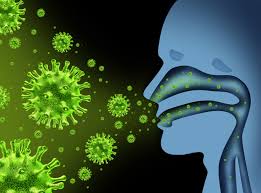
While Ebola does not spread via airborne droplets like influenza or SARS-CoV-2—requiring direct contact with infectious body fluids such as blood, vomitus, or feces—traditional caregiving roles and burial customs involving direct contact with deceased loved ones remain major drivers of high-volume exposure events.
┌────────────────────────────────────────────────────────────────────────┐
│                        REGIONAL RISK ASSESSMENT                        │
├──────────────────────────────┬─────────────────────────────────────────┤
│ Within DRC                   │ VERY HIGH                               │
│ Contiguous Border Nations    │ HIGH (e.g., Uganda, Rwanda, S. Sudan)   │
│ Rest of African Continent    │ LOW                                     │
│ Global Community             │ LOW                                     │
└──────────────────────────────┴─────────────────────────────────────────┘
The Medical Countermeasure Gap
Unlike the more common Zaire ebolavirus—which was controlled in recent years using the highly effective Ervebo vaccine and mAb114/REGN-EB3 monoclonal antibody therapies—Bundibugyo ebolavirus represents a distinct biological target.
First identified during a 2007 outbreak in Uganda, Bundibugyo is a genetically divergent species within the Orthoebolavirus genus. Because it occurs infrequently, clinical research data is sparse, and medical countermeasures developed for the Zaire strain do not offer cross-protection.
                  EBOLA VIRUS SPECIES COMPARISON

 ┌─────────────────────────────┐        ┌─────────────────────────────┐
 │       Zaire ebolavirus      │        │     Bundibugyo ebolavirus   │
 ├─────────────────────────────┤        ├─────────────────────────────┤
 │ • Historical Outbreaks: 10+ │        │ • Historical Outbreaks: 3   │
 │ • Licensed Vaccine: YES     │        │ • Licensed Vaccine: NONE    │
 │ • Licensed Therapy: YES     │        │ • Licensed Therapy: NONE    │
 │ • Historical CFR: 60%–90%   │        │ • Historical CFR: 25%–40%   │
 └─────────────────────────────┘        └─────────────────────────────┘
Independent experts stress that this lack of scientific tooling leaves responders relying almost entirely on classic public health interventions.
“The absence of licensed countermeasures—both prophylactic vaccines and therapeutic monoclonal antibodies—for the Bundibugyo species is a major vulnerability,” explained Dr. Daniela Manno, Clinical Assistant Professor at the London School of Hygiene & Tropical Medicine, who is not directly involved in the response effort. “When you combine that countermeasure gap with active conflict, population displacement, and damaged infrastructure, surveillance and clinical care become extraordinarily difficult, despite the profound field expertise of Congolese health professionals.”
Dr. Anne Cori, an infectious disease modeling expert at Imperial College London, highlighted how limited historical data impedes real-time forecasting. “Because previous Bundibugyo outbreaks were small, our baseline understanding of its natural history and transmission dynamics is limited,” Dr. Cori noted. “Until candidate vaccines or treatments pass clinical evaluation, classic containment—rapid case finding, safe isolation, rigorous contact tracing, strict infection prevention in health centers, and dignified safe burials—remains our only barrier against sustained growth.”
What This Means for Public Health and Global Communities
For residents and aid workers within Central Africa, protection relies on rigorous personal hygiene, avoiding unverified medical clinics, wearing protective gear when caring for the sick, and relying on specialized teams for burial procedures.
For the international public, health officials emphasize perspective over panic. The WHO and CDC maintain that the risk of widespread international transmission remains low. Casual contact—such as sitting next to an asymptomatic traveler or sharing public space—does not transmit Ebola.
Health agencies advise against imposing sweeping international travel or trade restrictions, which can paralyze local economies and impede the movement of medical supplies and humanitarian personnel.
Contextual Nuance and the Road Ahead
Epidemiologists urge caution when interpreting raw outbreak figures. The sharp rise in reported case counts reflects two distinct dynamics: active ongoing transmission, alongside expanding field surveillance and retroactively reconciled historical cases.
Furthermore, the overall crude case-fatality ratio of 44% represents an aggregate snapshot. An individual patient’s prognosis changes significantly depending on how quickly they receive supportive care, such as intravenous fluid resuscitation, electrolyte rebalancing, and treatment for secondary bacterial infections.
The immediate priorities for international health agencies include accelerating clinical trials for experimental Bundibugyo-specific candidate vaccines, deploying rapid point-of-care diagnostic tools, protecting frontline health personnel, and engaging local community leaders to rebuild trust. Long-term containment will require addressing the systemic inequalities that allow rare pathogens to gain a foothold in vulnerable, conflict-affected regions.
References
-
Reuters. “Explainer: Why Congo’s Ebola outbreak is spreading faster than previous epidemics.” Published August 5, 2026
Medical Disclaimer: This article is for informational purposes only and should not be considered medical advice. Always consult with qualified healthcare professionals before making any health-related decisions or changes to your treatment plan. The information presented here is based on current research and expert opinions, which may evolve as new evidence emerges.


Happy
0 %

Sad
0 %

Excited
0 %

Sleepy
0 %

Angry
0 %

Surprise
0 %