 0
0
 0
0
CHENNAI — Public health officials and ophthalmologists across Chennai are reporting a significant surge in conjunctivitis cases this March, as the city transitions from the humid monsoon tail-end into the early summer heat. Currently, major outpatient departments (OPDs) in both government and private sectors are recording an average of 8 to 10 new patients daily, a trend that has prompted medical experts to issue urgent advisories on personal hygiene and the dangers of self-medication.
The outbreak, colloquially known as “Madras Eye,” is affecting a broad demographic, from school-aged children to office professionals. While seasonal spikes are common in Tamil Nadu, doctors warn that the high density of urban workplaces and schools has accelerated transmission rates this year, mirroring a similar surge in March 2025 where one hospital group alone treated over 1,800 cases.
Understanding the Surge: Weather and Viral Load
The primary driver behind the current spike is the environmental shift. As the air moves from the moisture-heavy monsoon season to a drier, warmer climate, the conditions become ideal for viral replication.
Adenoviruses, which account for up to 90% of all infectious conjunctivitis cases, thrive in these transitional temperatures. These viruses are highly contagious and spread through direct contact with infected secretions or “fomites”—inanimate objects like towels, doorknobs, and shared cosmetics that harbor the pathogen.
Contrary to popular local myths, medical professionals stress that the infection cannot be transmitted through mere eye contact. “It is a contact-borne illness,” says Dr. Rajani Arun, a prominent Chennai-based ophthalmologist. “The virus travels from an infected surface to the hand, and then to the eye. This is why we are seeing such rapid spread in crowded environments.”
Symptoms: More Than Just Red Eyes
While redness is the most visible sign, ophthalmologists categorize the symptoms based on the underlying cause to ensure correct treatment:
-
Viral Conjunctivitis: Characterized by watery discharge, light sensitivity (photophobia), and a gritty sensation. It often starts in one eye and migrates to the other within 24 to 48 hours.
-
Bacterial Conjunctivitis: Distinguished by a thicker, yellow or green mucopurulent discharge that often causes the eyelids to stick together upon waking.
-
Allergic Conjunctivitis: Typically involves intense itching, redness, and tearing in both eyes simultaneously, often triggered by increased seasonal pollen or dust.
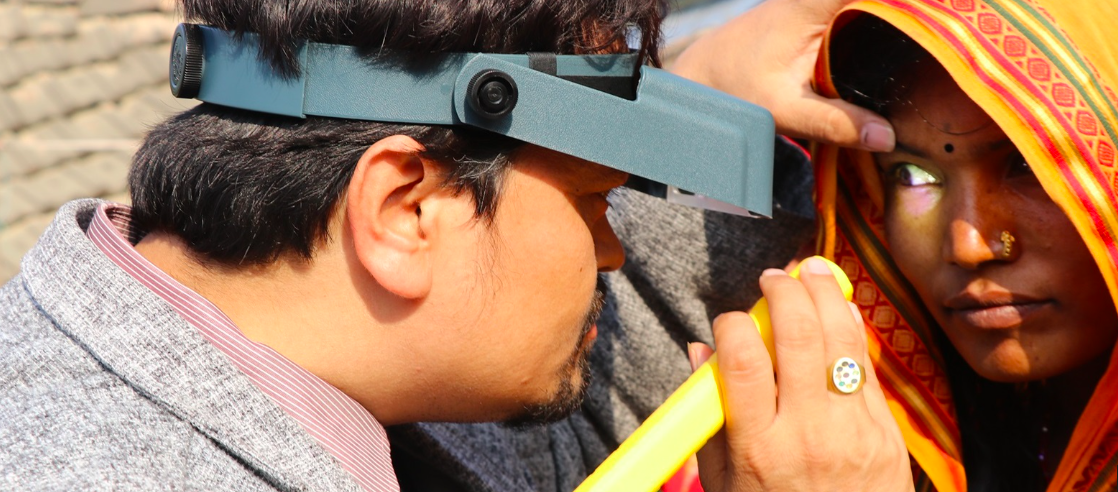
“Early diagnosis is crucial,” notes Dr. S. Soundari, Regional Head at Agarwal Eye Hospitals. “Because the symptoms of viral and bacterial infections overlap, professional evaluation is necessary to prevent complications like corneal involvement, which can temporarily blur vision.”
The Public Health Toll
The uptick in cases is placing a measurable strain on Chennai’s healthcare infrastructure. Historically, during peak outbreaks in Tamil Nadu, daily cases across the state have reached as high as 4,500.
Beyond the clinical burden, there is a significant socioeconomic impact. The “contagion window” for viral conjunctivitis typically lasts 7 to 10 days, leading to mandatory school absences and loss of workplace productivity. Furthermore, public health experts estimate that misdiagnosis leads to millions in unnecessary healthcare costs annually, often due to the over-prescription of antibiotics for viral strains that do not respond to them.
Prevention and Containment Strategies
To curb the spread, the Centers for Disease Control and Prevention (CDC) and local health authorities emphasize a “hygiene-first” approach. Because there is no vaccine for the common adenovirus, containment relies entirely on breaking the chain of transmission.
Essential Preventive Steps:
-
Rigorous Handwashing: Wash hands with soap and water for at least 20 seconds, especially after being in public spaces.
-
Zero Contact: Avoid rubbing or touching the eyes.
-
Isolation of Personal Items: Do not share towels, pillows, eye drops, or makeup.
-
Linen Hygiene: Change pillowcases daily during an active infection.
-
Contact Lens Cessation: Switch to glasses immediately if symptoms appear and discard potentially contaminated lenses.
While many patients wear dark sunglasses, experts clarify their purpose. “Sunglasses help manage light sensitivity and act as a physical barrier to remind the patient not to touch their eyes,” says Dr. Arun. “However, they do not prevent the virus from spreading to others; only hand hygiene and surface disinfection can do that.”
Treatment Protocols: A Warning Against Self-Medication
Most viral cases are “self-limiting,” meaning they resolve on their own within a week. Management typically involves:
-
Lubricating Drops: Preservative-free artificial tears to soothe irritation.
-
Cold Compresses: Applied to the exterior of the eyelids to reduce swelling.
-
Rest: Allowing the immune system to clear the virus.
However, a dangerous trend of “over-the-counter” (OTC) shopping persists in Chennai. Many residents purchase steroid-based eye drops without a prescription, which can provide temporary relief but may lead to serious long-term issues like increased intraocular pressure or secondary fungal infections.
“We urge patients to seek help within 1 to 2 days of symptom onset,” adds Dr. Soundari. “Seeking professional care at institutions like Aravind Eye Hospital or other specialized centers ensures you aren’t using a treatment that could potentially worsen the condition.”
Limitations and the Road Ahead
While the current data suggests a localized surge, health officials caution that statewide statistics for 2026 are still being compiled. Not every “red eye” is an infection; the increasing summer heat also brings a rise in dry eye syndrome and chemical irritation from pollution, which can mimic conjunctivitis.
As Chennai moves further into the summer months, the reliance on community vigilance remains the city’s best defense. Health portals and social media updates from local hospitals continue to monitor the situation, providing real-time advice to navigate this seasonal challenge.
Medical Disclaimer: This article is for informational purposes only and should not be considered medical advice. Always consult with qualified healthcare professionals before making any health-related decisions or changes to your treatment plan. The information presented here is based on current research and expert opinions, which may evolve as new evidence emerges.
References
- https://www.ndtv.com/health/conjunctivitis-cases-surge-in-chennai-doctors-urge-hygiene-and-prompt-care-11258434