 0
0
 0
0
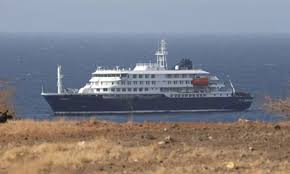
MADRID — A Spanish national evacuated from the MV Hondius cruise ship has tested positive for hantavirus while isolating in a Madrid hospital, Spain’s health ministry announced on Monday. This new case expands an active, multi-country outbreak that international health agencies confirm has already sickened multiple individuals and claimed three lives aboard the vessel.
The developing cluster has drawn sharp focus from the World Health Organization (WHO) and global infectious disease specialists. While hantaviruses are globally recognized for traveling from rodents to humans, this specific maritime outbreak involves suspected cases of the Andes virus strain—a rare variant capable of spreading directly between people. Public health teams are currently utilizing rigorous isolation and global contact-tracing measures to contain the infection within a mobile travel setting.
Inside the Outbreak: Medical Evacuation and Isolation
According to Spain’s health ministry, the diagnosed patient was among a group of passengers preemptively evacuated from the MV Hondius. Because of potential exposure risks on board, the individual was already being monitored inside a specialized hospital isolation unit in Madrid when the positive laboratory diagnostics returned.
The broader maritime response has required swift international choreography. The MV Hondius was carrying 147 passengers and crew when a sudden cluster of severe respiratory illnesses prompted authorities to trigger emergency protocols under the International Health Regulations channel. According to reports coordinated by global health agencies, the response immediately pivoted to:
-
Organised medical evacuations at scheduled ports.
-
Strict quarantine and monitoring protocols for all exposed travelers.
-
Multilateral contact tracing across borders to locate individuals who left the vessel.
The WHO has formally classified the global risk to the general public as low, citing zero evidence of wide community transmission. However, the agency designated the immediate risk to the passengers and crew on the ship as moderate, highlighting how enclosed, close-contact environments can amplify exposure vectors. Notably, health historians point out that this is the first recorded hantavirus cluster directly linked to commercial cruise travel.
Why the Andes Virus Strain Demands Attention
Hantaviruses do not represent a single clinical disease, but rather an entire family of viruses shed by rodents through urine, droppings, or saliva. When humans inhale aerosolized particles of these excretions, it can trigger Hantavirus Pulmonary Syndrome (HPS)—a severe, rapid-onset lung infection.
Data from the U.S. Centers for Disease Control and Prevention (CDC) shows that HPS carries an estimated mortality rate of 38% among patients who progress to respiratory distress.
What sets the current cruise ship outbreak apart is the suspected involvement of the Andes virus species. While standard hantaviruses are strictly zoonotic (spreading only from animal to human), the Andes strain is unique.
“Andes virus is currently the only known hantavirus variant capable of person-to-person transmission,” notes epidemiologist Dr. Aris Katz, an independent viral pathogen researcher who is not involved in the cruise response. “However, it is vital to emphasize that this human-to-human spread remains uncommon. It typically requires prolonged, intimate contact or direct exposure to an infected person’s bodily fluids—it does not spread casually like the flu or a cold.”
Clinical Realities: Early Detection and the Lack of a Cure
For independent medical professionals observing the response, the chief clinical challenge of hantavirus lies in its deceptive early presentation.
According to clinical profiles from the Mayo Clinic, the initial incubation period spans anywhere from one to eight weeks post-exposure. The earliest symptoms are distinctly non-specific, frequently mimicking everyday viral ailments:
-
Sudden high fever and severe muscle aches (especially in the thighs, hips, and back).
-
Deep fatigue and headaches.
-
Abdominal complications, including nausea, vomiting, or diarrhea.
As the disease enters its pulmonary phase, it shifts with alarming speed. Coughing and severe shortness of breath emerge as fluid infiltrates the lungs, heavily taxing the cardiovascular system.
Because there is no specific cure, antiviral medication, or vaccine for hantavirus infection, medical intervention relies entirely on early, aggressive supportive care. When clinical recognition happens early, transferring a patient to an intensive care unit allows physicians to implement high-flow oxygen therapies, mechanical ventilation, or extracorporeal membrane oxygenation (ECMO) to support the body while it fights off the viral load.
Public Health Containment and the Communication Challenge
Public health agencies find themselves balancing two seemingly contradictory messages: reassuring the broader public while executing strict, high-stakes isolation protocols for those exposed.
The deployment of a specialized isolation ward in Madrid for the Spanish passenger reflects standard, modern infection-control choreography. By isolating individuals under investigation, hospitals protect healthcare workers and the local community while surveillance testing finishes.
Public health experts emphasize that “low risk to the public” does not mean “no risk” for those inside the immediate zone of exposure. Individuals who shared enclosed cabins, dining quarters, or medical transport facilities with symptomatic passengers require rigorous, daily symptom tracking throughout the duration of the virus’s eight-week incubation window.
Gaps in the Record and Current Uncertainties
As international laboratories continue to analyze samples, significant questions remain unanswered. Public health authorities have not yet released the definitive geographical point of exposure where the virus first entered the ship. Furthermore, the exact number of passengers currently held under close-contact quarantine remains undisclosed.
The WHO notes that several suspected cases aboard the MV Hondius are still undergoing active laboratory verification. Because diagnostic testing for rare viral pathogens takes time, the final case counts and confirmed transmission pathways may shift as genetic sequencing data becomes available. Epidemiologists caution against misinterpreting discussions of “person-to-person” transmission as a sign of an impending pandemic; existing data underscores that casual community transmission of Andes virus has never been documented.
What This Means for Everyday Travel and Prevention
For health-conscious consumers and frequent travelers, the cruise ship outbreak serves as an educational milestone rather than a reason to cancel vacation plans. Travelers are not considered at elevated risk for hantavirus under normal conditions.
According to data from the Pan American Health Organization (PAHO), everyday prevention remains anchored in standard rodent control and environmental awareness.
| Setting | Risk Level | Core Preventive Measures |
| General Public & Everyday Travel | Very Low | No specialized travel restrictions; avoid entering abandoned, poorly ventilated structures. |
| Exposed Cruise Cohort (MV Hondius) | Moderate | Active multi-week symptom tracking; immediate reporting of fevers or coughs. |
| Rural / Wilderness Areas | Low to Variable | Seal home/cabin entry points; avoid sweeping or vacuuming dry rodent droppings (use wet disinfectant methods instead). |
If you live in or visit regions where hantavirus is endemic, public health guidelines recommend wetting down potentially contaminated areas with a bleach-based disinfectant rather than sweeping dry dust, which can launch viral particles into the air. Above all, anyone with known or suspected exposure to rodents who subsequently develops a sudden fever or unexplained shortness of breath should seek immediate medical evaluation, explicitly detailing their travel and exposure history to their attending healthcare provider.
References
1.https://www.reuters.com/business/healthcare-pharmaceuticals/spanish-national-evacuated-hantavirus-cruise-ship-tests-positive-2026-05-25/
Medical Disclaimer: This article is for informational purposes only and should not be considered medical advice. Always consult with qualified healthcare professionals before making any health-related decisions or changes to your treatment plan. The information presented here is based on current research and expert opinions, which may evolve as new evidence emerges.