 0
0
 0
0
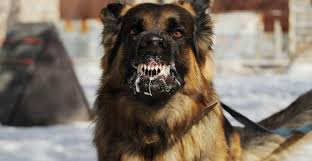
SRINAGAR, JAMMU & KASHMIR — Local veterinary and public-health teams across Jammu and Kashmir have launched a coordinated campaign to combat human rabies following sustained dog-bite outbreaks in the region. By expanding access to anti-rabies vaccines for both stray animals and humans, local authorities aim to curb animal rabies cases and prevent transmission to humans. Health officials emphasize that timely post-exposure vaccination, immediate wound care, and community education are the most critical tools to eliminate the disease, which carries an almost-certain fatal outcome once clinical symptoms appear.
Key Developments in the Region
The localized push in Jammu and Kashmir combines aggressive animal vaccination drives with enhanced human healthcare access. Veterinary teams are deploying to high-risk districts to administer vaccines to local dog populations, a strategy that has already shown measurable success in reducing confirmed animal rabies cases in participating areas.
Concurrently, healthcare facilities are working to ensure a steadier supply of the human anti-rabies vaccine. This dual approach aligns with the latest priorities outlined by national initiatives, which aim to strengthen vaccine availability, enhance surveillance systems, and build robust public-health frameworks across India to eliminate dog-mediated rabies.
Why This Matters: A Preventable Absolute
Rabies remains one of the world’s most lethal infectious diseases. Once neurological symptoms develop, the virus is nearly 100% fatal. However, it is also entirely preventable through timely medical interventions.
Immediate Wound Care (Soap & Water) ➔ Prompt Anti-Rabies Vaccine ➔ Rabies Immunoglobulin (RIG) [If Severe]
According to guidelines from the World Health Organization (WHO), the combination of immediate wound care, prompt administration of the anti-rabies vaccine, and the use of rabies immunoglobulin (RIG) for severe exposures forms an impenetrable defense against the virus. By protecting people immediately after an exposure and simultaneously reducing the viral reservoir in the dog population, public health officials hope to disrupt the cycle of transmission entirely.
What the Evidence and Experts Say
Modern tissue-culture rabies vaccines are highly safe and effective for post-exposure prophylaxis (PEP). Public health data indicates that intradermal vaccination schedules—which inject a smaller volume of the vaccine into the top layer of the skin—can be highly cost-saving for clinics while providing the same robust immune protection as traditional intramuscular injections.
Clinical protocols stress that the absolute first line of defense occurs at the kitchen sink or a public tap.
“Washing a bite wound thoroughly with soap and water for 10 to 15 minutes is the single most critical step after an exposure,” says Dr. A. K. Sharma, an independent infectious-disease physician not involved in the Jammu and Kashmir regional programs. “This simple mechanical action dramatically reduces the viral load at the site before the virus can bind to local nerve endings.”
Dr. Sharma notes, however, that infrastructure remains a critical variable. “Vaccines and immunoglobulin are absolute lifesavers when given promptly, but community awareness about immediate wound care and rapid access to PEP remain the weak links in many rural and peri-urban areas.”
+---------------------------------------+-----------------------------------------+
| Prevention Component                  | Public Health Role                      |
+---------------------------------------+-----------------------------------------+
| 10-15 Min Soap & Water Wash          | Mechanically clears virus from wound    |
| Post-Exposure Prophylaxis (PEP) Multi-dose series clears active infection       |
| Rabies Immunoglobulin (RIG)           | Provides immediate antibodies at site   |
| Mass Dog Vaccination                  | Eradicates the primary infection vector |
+---------------------------------------+-----------------------------------------+
Context and Background: The Public Health Burden
Historically, India has borne a substantial proportion of the global human rabies burden, with the vast majority of cases driven by dog-mediated transmission. Surveillance data highlights that children are disproportionately affected by dog bites, often due to their play behaviors and lower likelihood of reporting minor scratches or bites to guardians.
The biological urgency of rabies stems from its unpredictable incubation period, which can range from a few weeks to several months depending on the bite’s location and severity. Because the virus travels along the nervous system toward the brain, PEP cannot be delayed. For previously unvaccinated individuals, standard protocols dictate a multi-dose vaccine series initiated as soon as possible after the exposure, alongside RIG administered directly into severe, high-risk wounds to provide immediate, temporary antibodies.
Public Health Implications and a One-Health Approach
Epidemiologists increasingly advocate for a “One-Health” approach—a strategy that links human, animal, and environmental health services to manage zoonotic diseases. Scaling up animal vaccinations is recognized as the most cost-effective long-term method to protect humans, as it stops the virus at its source.
       [ One-Health Strategy ]
               │
       ┌───────┴───────┐
       ▼               ▼
[ Animal Health ]  [ Human Health ]
Mass Dog Vaccines  Equitable PEP & RIG
Ensuring equitable access to PEP is equally vital. Low-income families and marginalized communities frequently face steep barriers to prompt care, including travel distances to urban clinics and indirect costs. Providing free or highly subsidized vaccines, clear clinical triage, and streamlined referral pathways are essential steps to eliminating preventable deaths across all demographics.
Limitations, Gaps, and Challenges
Despite local progress, significant hurdles remain. Facility surveys and national program reviews frequently point out the uneven distribution of rabies biologicals. While anti-rabies vaccines are increasingly available, Rabies Immunoglobulin (RIG) remains chronically undersupplied or absent in many primary healthcare centers, creating dangerous gaps in care for category III (severe) bite victims.
Furthermore, field diagnoses present practical challenges. Differentiating a rabid dog from a healthy one based on visual observation alone is highly unreliable. Public health authorities caution against delaying PEP to observe an animal unless a qualified veterinarian can reliably assess and quarantine the animal under strict, standardized protocols. Ultimately, isolated local successes must be backed by long-term, well-resourced national funding to maintain the high dog-vaccination coverage required to achieve herd immunity.
Practical Takeaways for Daily Health
-
Immediate First Aid: If you or someone you know is bitten or scratched by a dog or other mammal, immediately wash the wound with soap and running water for at least 10–15 minutes. Apply an antiseptic like povidone-iodine or alcohol if available.
-
Seek Immediate Medical Care: Go straight to a qualified healthcare facility for a formal wound assessment. Do not wait for symptoms to appear.
-
Complete the Schedule: Adhere strictly to the multi-dose PEP vaccine schedule prescribed by your healthcare provider. If the doctor determines the exposure is severe, ensure that Rabies Immunoglobulin (RIG) is administered.
-
Support Local Vets: Advocate for and participate in humane local municipal efforts to vaccinate stray and domestic dogs. Protecting the community’s animals directly protects your family.
Reference Section
- https://www.gavi.org/vaccineswork/rabies-vaccines-offer-relief-indian-kashmir-grapples-dog-bites
Medical Disclaimer: This article is for informational purposes only and should not be considered medical advice. Always consult with qualified healthcare professionals before making any health-related decisions or changes to your treatment plan. The information presented here is based on current research and expert opinions, which may evolve as new evidence emerges.