 0
0
 0
0
DHAKA, BANGLADESH — Bangladesh is facing one of its most devastating public health crises in decades. Health authorities reported more than 500 suspected and confirmed child deaths between mid-March and late May 2026. This sudden surge is driven primarily by declining routine immunization coverage and is heavily concentrated in children under five years of age. The rapid spike in cases has prompted mass emergency vaccination campaigns and drawn urgent international attention. Global health officials are scrambling to contain the spread, support a strained healthcare infrastructure, and prevent further fatalities.
The Escalating Crisis: Key Developments and Numbers
Data released by the Bangladeshi Directorate General of Health Services (DGHS) reveals a stark and rapidly deteriorating situation. Between March 15 and May 23, 2026, health officials documented between 62,000 and 63,000 suspected measles cases across the country.
Out of these, roughly 8,400 have been laboratory-confirmed. While official laboratory-confirmed measles deaths stand at 86, the heavily strained clinical surveillance system has recorded hundreds of additional suspected deaths. This brings the combined estimated toll above 500 children this year.
The rapid nationwide spread has placed an immense burden on pediatric wards and intensive care units, particularly within low-income urban informal settlements and remote rural districts. The World Health Organization (WHO) had previously tracked rising case trajectories in the region, warning that any substantial erosion of routine childhood immunization coverage would inevitably open the door to large-scale, fatal outbreaks.
Context and Background: Why Measles Resurged
Measles is caused by a highly contagious virus. It is so infectious that a single infected individual can transmit the virus to up to 18 unprotected people. In communities with low vaccination rates, the virus spreads with remarkable speed. It frequently targets malnourished children or those with compromised immune systems, leading to severe complications such as:
-
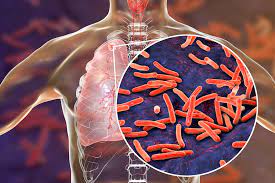
Severe, life-threatening pneumonia
-
Acute diarrhea and debilitating dehydration
-
Encephalitis (brain swelling)
-
Permanent blindness or hearing loss
Historically, Bangladesh maintained robust routine measles vaccination coverage, a feat widely praised by the international public health community. However, recent disruptions to localized immunization services—exacerbated globally by the downstream resource strains of the COVID-19 pandemic and shifting domestic healthcare funding—have left successive cohorts of young children unprotected. This accumulation of vulnerable individuals created the exact conditions necessary for a large-scale outbreak.
Expert Perspectives on the Resurgence
Independent medical experts express deep concern over how quickly the virus capitalized on these gaps in community immunity.
“This pattern is sadly familiar: when routine immunization drops even modestly, measles resurges with catastrophic speed,” notes Dr. Ayesha Rahman, a pediatric infectious disease specialist at Dhaka Children’s Hospital who is not directly involved in the emergency response. “Emergency vaccination can stop transmission, but delays mean more children will face serious illness or death.”
In an official outbreak notice, the WHO emphasized that the backbone of managing such a crisis relies on dual tracks: rapid, high-coverage mass vaccination campaigns to sever the chains of transmission, alongside robust clinical management for those already infected. International guidelines stress that distributing high-dose Vitamin A supplements to affected children, alongside aggressive supportive care for secondary infections like pneumonia, is vital to cutting mortality rates in half during active outbreaks.
Public Health Action and Emergency Response
In response to the mounting casualties, the Bangladeshi government has mobilized a multi-tiered emergency response. The DGHS has launched massive, localized immunization drives specifically targeting children aged 6 months to 59 months, regardless of their prior vaccination history.
Emergency Response Matrix:
├── Ring Vaccination       --> Targeting children aged 6–59 months in high-risk zones
├── Case Management        --> Distribution of Vitamin A & antibiotics for secondary pneumonia
└── Active Surveillance    --> Deploying rapid-response teams to track febrile rash illness
Rapid response teams are being deployed to the hardest-hit sub-districts to expand active surveillance, track febrile rash illnesses, and manage localized clusters. Concurrently, international bodies, including the WHO and UNICEF, are providing technical guidance, managing vaccine supply chains, and delivering millions of doses of vaccines and therapeutic Vitamin A supplements to prevent health system collapse in vulnerable districts.
Limitations, Uncertainties, and Balanced Viewpoints
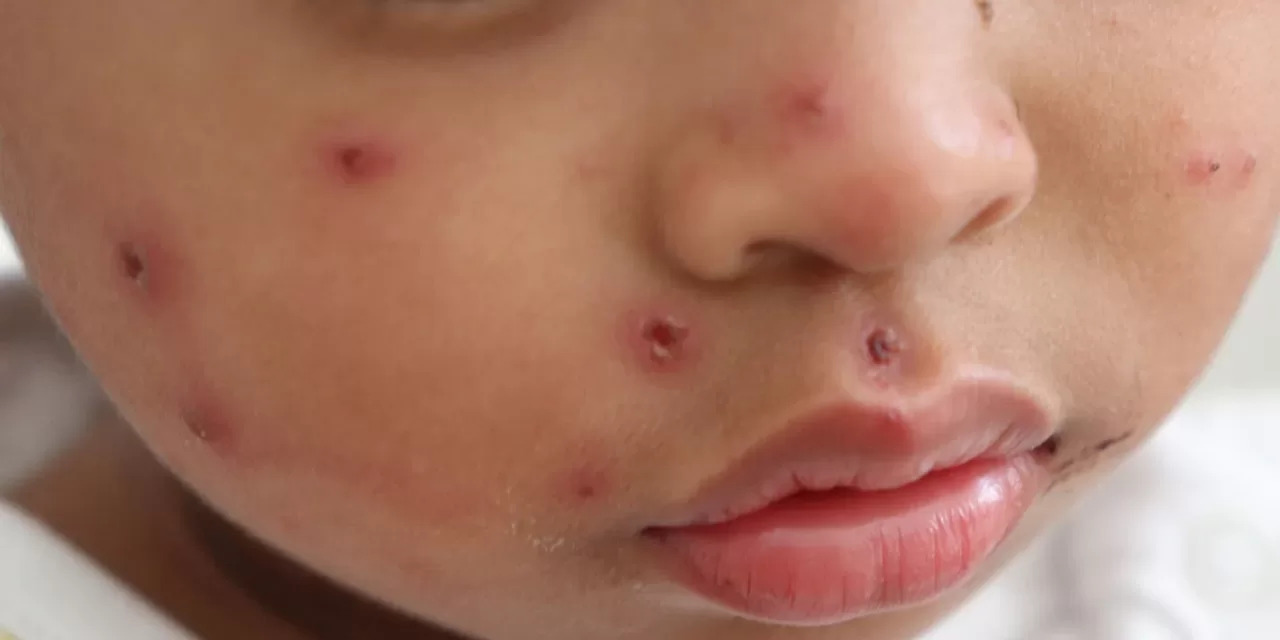
Epidemiologists urge caution when interpreting current mortality data. Because laboratory confirmation often lags behind clinical reporting during an acute crisis, the “suspected” death toll relies heavily on clinical presentation—specifically, the co-occurrence of a high fever and a characteristic maculopapular rash. Some of these cases may ultimately stem from other circulating febrile rash illnesses.
However, public health experts argue that when health systems are severely strained during a verified outbreak, elevated suspected counts serve as a critical early indicator of true severity. They allow responders to allocate resources to communities in real time rather than waiting weeks for laboratory assays.
Furthermore, observers point out that addressing the outbreak requires looking beyond vaccines alone. Wider social determinants of health—such as systemic childhood malnutrition, intense urban overcrowding, and lack of clean drinking water—significantly amplify the severity of measles. Public health experts argue that while emergency vaccination campaigns are vital to halt immediate transmission, they must be paired with nutritional interventions and reinforced primary care infrastructure to build long-term biological resilience in these communities.
Practical Takeaways for Caregivers and Communities
For parents, caregivers, and health advocates, the crisis provides several clear, actionable lessons:
-
Prioritize Timely Vaccination: Ensuring that children receive their scheduled doses of the measles-containing vaccine (typically given as the MR or MMR vaccine) remains the single most effective shield against infection.
-
Participate in Local Campaigns: If an emergency campaign is active in your area, children within the target age range should receive the campaign dose, even if they have been vaccinated previously.
-
Recognize Early Symptoms: If a child develops a high fever accompanied by a widespread rash, cough, runny nose, or red eyes, seek medical evaluation immediately.
-
Isolate and Protect: Keep sick children isolated from others to prevent spreading the virus to unvaccinated neighbors or infants who are too young to receive the vaccine.
-
Ask About Vitamin A: Caregivers should explicitly ask healthcare providers about Vitamin A supplementation, which helps protect the lining of the eyes and respiratory tract during infection.
Medical Disclaimer
This article is for informational purposes only and should not be considered medical advice. Always consult with qualified healthcare professionals before making any health-related decisions or changes to your treatment plan. The information presented here is based on current research and expert opinions, which may evolve as new evidence emerges.
References
-
Reuters. (2026, May 23). Suspected and confirmed measles deaths top 500 in Bangladesh. (Journalistic summary of DGHS surveillance data).