 0
0
 0
0
JOHANNESBURG — In a major development for chronic disease management in Africa, the South African Health Products Regulatory Authority (SAHPRA) has granted regulatory approval to Sun Pharmaceutical Industries to manufacture and distribute a generic version of semaglutide. The decision, announced on July 15, 2026, marks South Africa as only the second global market after India to clear a generic alternative to Novo Nordisk’s highly sought-after blockbusters, Ozempic and Wegovy.
The clearance arrives just months after Novo Nordisk’s primary South African patent on semaglutide expired in March, signaling a critical shift in the landscape of metabolic medicine. For millions of South Africans living with type 2 diabetes, this approval promises to introduce long-awaited price competition into a drug class previously defined by extreme scarcity and prohibitive costs. However, public health officials and independent clinicians emphasize that while affordability is set to improve, the clinical complexities and safety profiles of the medication remain entirely unchanged.
Expanding Options in Diabetes Care
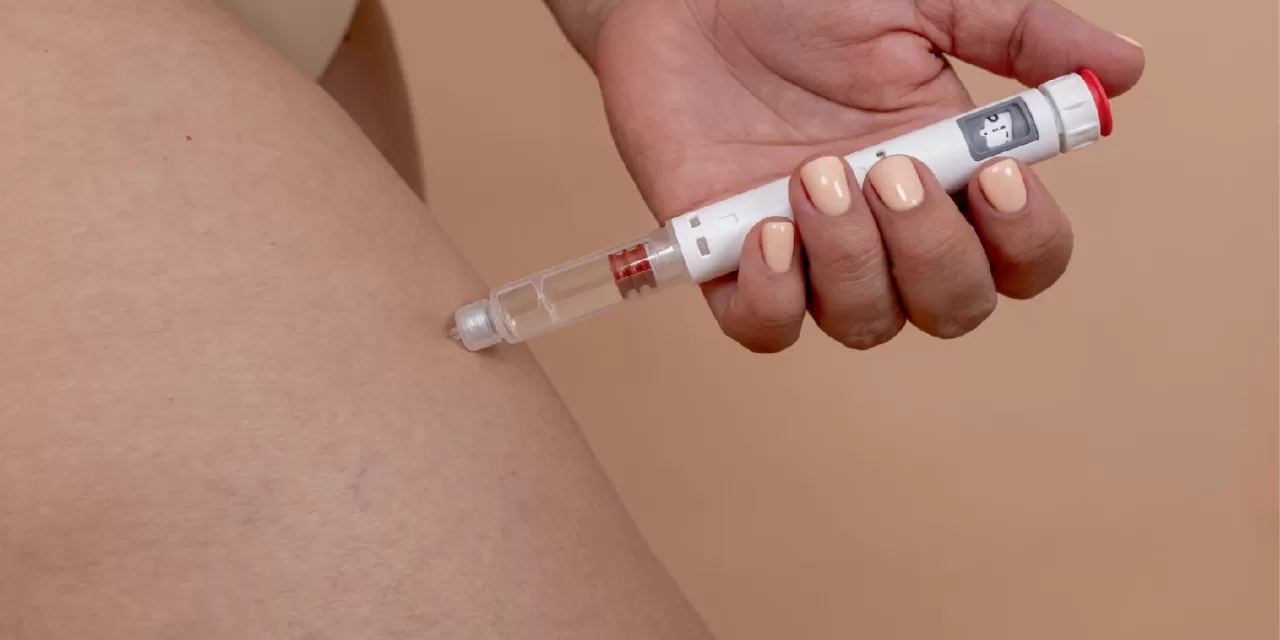
According to company disclosures, Sun Pharma plans to launch the medication in the coming days as a pre-filled, multi-dose injectable pen available in two strengths: 2 mg and 4 mg for once-weekly administration. SAHPRA’s approval is strictly indicated for adults with inadequately controlled type 2 diabetes as an adjunct to diet and exercise.
Semaglutide belongs to a class of medications known as glucagon-like peptide-1 (GLP-1) receptor agonists. Mechanistically, it mimics a natural metabolic hormone to lower blood glucose by stimulating insulin secretion and suppressing glucagon in a glucose-dependent manner. Additionally, it slows early gastric emptying and acts on brain pathways to increase feelings of fullness and satiety.
While semaglutide has achieved global pop-culture notoriety for its weight-loss capabilities, SAHPRA’s registration for this generic product—and its reference brand Ozempic—remains firmly bounded. In South Africa, the drug is approved exclusively for managing type 2 diabetes and reducing cardiovascular risk in selected adult populations. It is not legally indicated for cosmetic weight loss.
The Economics of Accessibility
The introduction of a regulated generic comes at a vital time. Type 2 diabetes represents a staggering public health burden in South Africa, frequently ranking among the top causes of natural death nationwide. The high cost of brand-name GLP-1 therapies has historically restricted their use to affluent patients or top-tier private medical insurance schemes, leaving the vast majority of the population without access to advanced glycemic control.
“Affordability is one of the single greatest barriers to chronic disease treatment adherence in developing economies,” says Dr. Lerato Nxumalo, an independent endocrinologist based in Pretoria, who was not involved in the regulatory process. “When patients cannot afford their monthly maintenance therapies, we see a predictable rise in long-term complications, including chronic kidney disease, stroke, and cardiovascular events. A properly vetted, lower-cost generic option could fundamentally alter the economics of diabetes care across the region.”
Public health economists anticipate that Sun Pharma’s entry will create immediate price pressure in the private pharmaceutical sector, potentially paving the way for eventual procurement negotiations within South Africa’s public health system.
The Shadow Market: Compounded and Counterfeit Risks
The approval follows a period of intense regulatory turbulence. Just days prior, on July 9, 2026, SAHPRA joined forces with the South African Pharmacy Council and the Health Professions Council of South Africa to issue a sweeping recall of unapproved, compounded “Ozempic-like” products, warning medical professionals that stocking or dispensing them could lead to severe disciplinary action.
The distinction between Sun Pharma’s newly approved generic and these illicit alternatives is crucial for public safety. Legitimate generic drugs must undergo rigorous bioequivalence testing to prove they deliver the exact same active ingredient at the identical rate as the original brand-name drug.
In contrast, unapproved compounded formulations frequently bypass these standards. SAHPRA’s medical advisories warn that unauthorized products bought through online storefronts or wellness clinics often contain unapproved salt variants, such as semaglutide sodium or semaglutide acetate, which are illegal under the Medicines Act.
Furthermore, products procured outside the legitimate supply chain present dangerous clinical hazards. Regulators globally have documented cases where counterfeit pens contained no active ingredient at all, highly toxic concentrations, or even standard insulin—the latter causing severe, life-threatening hypoglycemia (low blood sugar). For an injectable therapy, the risks of non-sterile manufacturing can also lead to systemic bacterial infections.
Clinical Reality: Lower Cost Does Not Mean Lower Risk
Medical experts caution that a more accessible price point must not lead to casual prescribing habits. Semaglutide is a potent metabolic modifier that carries significant clinical considerations.
According to established clinical data, semaglutide includes a boxed warning regarding the risk of thyroid C-cell tumors, a finding consistently observed in rodent studies. Consequently, the medication is strictly contraindicated in individuals with a personal or family history of medullary thyroid carcinoma or Multiple Endocrine Neoplasia syndrome type 2 (MEN 2).
Furthermore, patients initiating treatment face distinct systemic risks, including:
-
Gastrointestinal Distress: Nausea, vomiting, diarrhea, and severe abdominal pain are common, particularly during the initial dose-escalation phases.
-
Pancreatitis: Acute inflammation of the pancreas is a rare but severe risk requiring immediate cessation of the drug.
-
Hypoglycemia: While rare when semaglutide is used alone, the risk increases substantially when combined with older diabetes medications like sulfonylureas or insulin.
-
Diabetic Retinopathy: Rapid improvements in glucose control can sometimes cause a temporary worsening of diabetic eye disease.
“A lower price does not remove the absolute necessity for careful dose titration, routine clinical follow-up, and comprehensive patient education,” notes Dr. Nxumalo. “This is not a general lifestyle supplement. It is a highly specific medical intervention that requires ongoing oversight by a qualified practitioner.”
Current Uncertainties and Looking Ahead
While the regulatory approval is a milestone, several operational unknowns remain. Sun Pharma’s initial disclosures did not specify the exact comparative retail pricing, leaving it unclear precisely how much out-of-pocket relief consumers will experience. Additionally, the initial launch volume remains undisclosed, which leaves questions regarding whether the manufacturer can consistently satisfy the anticipated surge in demand without triggering the chronic stock shortages that have plagued the GLP-1 market globally.
Ultimately, the public health success of South Africa’s generic semaglutide rollout will depend heavily on the medical community’s ability to maintain a clear line between authorized, evidence-based treatments and the illicit, gray-market alternatives advertised across social media. For patients and clinicians alike, safety, legitimate supply chains, and strict adherence to approved medical indications must remain the primary priority.
References
-
Study & Corporate Citations:
-
Reuters. “India’s Sun Pharma wins South Africa approval to launch generic Ozempic,” published July 15, 2026.
-
Medical Disclaimer: This article is for informational purposes only and should not be considered medical advice. Always consult with qualified healthcare professionals before making any health-related decisions or changes to your treatment plan. The information presented here is based on current research and expert opinions, which may evolve as new evidence emerges.