 0
0
 0
0
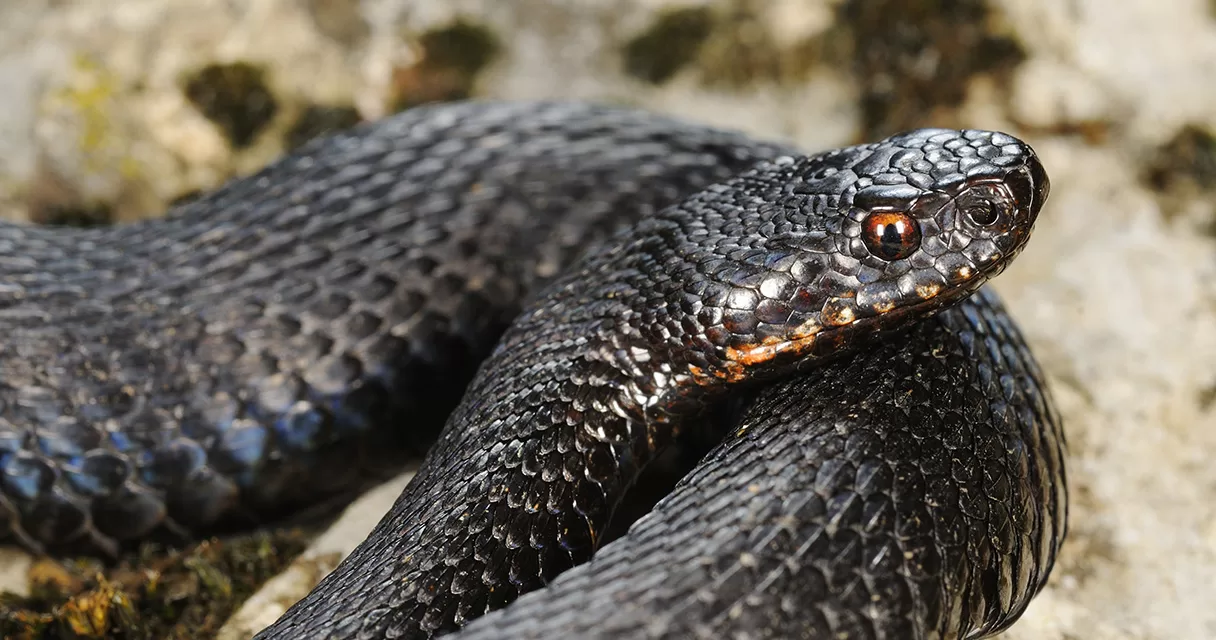
MEDAK, TELANGANA — Future healthcare professionals at the Government Medical College (GMC), Medak, are facing a critical health and safety crisis inside their own living quarters. This week, undergraduate MBBS students raised urgent alarms over severe infrastructure failures at the campus hostel, documenting repeated sightings of snakes and scorpions inside residential rooms.
The complaints, which intensified following heavy monsoon downpours, highlight a broader public health reality: structural neglect in communal housing is not merely a cosmetic inconvenience, but a direct catalyst for life-threatening medical emergencies. According to student accounts corroborated by local media reports, the situation escalated dramatically after two residents suffered scorpion stings, and substantial rainwater seepage compromised the hygiene of the student dining facility.
The student body has formally petitioned the college administration for immediate pest control, structural renovations, and emergency repairs. As heavy rains continue across Telangana, public health experts warn that poorly maintained campus buildings are actively driving dangerous wildlife indoors in search of dry shelter.
Inside the Dorms: Rain, Seepage, and Venomous Intruders
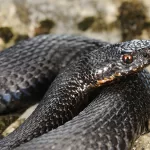
The reports emerging from GMC Medak detail a living environment disrupted by fear and biological hazards. Students reported that snakes and scorpions have routinely breached the perimeter of the hostel, entering sleeping quarters and communal corridors.
The physical environment of the hostel has uniquely predisposed it to these incursions. Heavy monsoon rains have caused significant water leakage through the roof and walls of the mess hall, creating stagnant, damp conditions that attract pests and compromise food sanitation.
[Monsoon Rains]
       │
       ▼
[Water Seepage & Flooding]
       │
       ▼
[Displaced Wildlife (Snakes/Scorpions)] ──► [Breached Building Envelopes] ──► [Hostel Rooms]
From a biological perspective, this influx is a predictable consequence of seasonal shifts. During the monsoon, subterranean burrows and natural habitats become flooded, forcing venomous ectotherms (cold-blooded animals like snakes and scorpions) to seek elevated, dry, and warm microenvironments—which poorly sealed human dwellings easily provide.
The Medical Stakes: Snakebite and Scorpion Envenomation
The presence of these animals in close proximity to sleeping students represents a significant public health threat. India bears a disproportionate burden of global snakebite mortality, making any localized increase in exposure a high-priority concern.
The Reality of Snakebite in India
According to the World Health Organization (WHO), snakebite remains a neglected tropical disease that causes an estimated 58,000 deaths annually in India alone. Public health protocols emphasize that the critical factor determining survival is the time elapsed between the bite and the administration of polyvalent Anti-Snake Venom (ASV).
Critical Public Health Standard: National health guidelines mandate rapid transport to a properly equipped medical facility. The utilization of traditional healing methods, incisions, or tourniquets uniformly worsens clinical outcomes.
Understanding Scorpion Stings
While many scorpion stings result primarily in severe localized pain, certain species common to the Indian subcontinent—such as the Indian Red Scorpion (Hottentotta tamulus)—can cause severe, systemic envenomation. This can trigger a cascade of dangerous cardiovascular and neurological symptoms, including:
-
Acute pulmonary edema (fluid accumulation in the lungs)
-
Severe hypertension followed by cardiovascular collapse
-
Profuse vomiting and altered sensorium
Clinical guidance from the Sree Chitra Tirunal Institute for Medical Sciences and Technology notes that symptoms can escalate rapidly, particularly in younger demographics or when treatment is delayed, necessitating immediate access to first-aid infrastructure and emergency medical observation.
Prevention via Infrastructure: The Expert View
Public health engineers and epidemiologists stress that the most effective countermeasure against seasonal envenomation is robust environmental management.
“We must view structural maintenance as a primary preventative health intervention,” says Dr. Ananya Sharma, an independent public health consultant not involved in the Medak reports. “Communal living spaces like student hostels require a intact ‘building envelope.’ When roofs leak, windows fail to seal, or surrounding vegetation is left unchecked, we are effectively inviting local fauna into human habitats.”
The National Centre for Disease Control (NCDC) outlines several low-cost, high-impact structural interventions that institutional facilities should implement prior to monsoon seasons:
-
Sealing Structural Breaches: Repairing foundation cracks, structural gaps, and clearing spaces beneath doors where small scorpions or juvenile snakes can slide through.
-
Environmental Remediation: Clearing high grass and thick vegetation within a 10-meter perimeter of residential buildings to eliminate natural staging areas for wildlife.
-
Drainage Optimization: Maintaining open drains and repairing broken pipes to prevent the standing water pools that attract rodents and insects, which serve as primary food sources for venomous species.
Data Context and Reporting Limitations
While the situation at GMC Medak demands immediate remediation, epidemiological experts urge a measured interpretation of the current data. The reports originate from student testimonials and local news coverage; as of this week, an independent, peer-reviewed clinical audit of the exact number of sightings or definitive species identification has not been published.
Public health officials note the vital distinction between wildlife sightings and confirmed envenomation events. A majority of snake species encountered in urban and semi-urban Indian environments are non-venomous, and even venomous species typically avoid human contact unless startled or cornered. However, the documented occurrence of two scorpion stings confirms that dangerous exposure is actively occurring, shifting the administrative mandate from standard maintenance to urgent risk reduction.
Actionable Guidance for Residents and Institutions
For individuals residing in monsoon-prone regions or older institutional housing, understanding immediate medical protocols is essential.
Immediate Snakebite and Sting Protocol
If a bite or severe sting occurs, the National Health Mission (NHM) recommends a strict sequence of stabilization steps:
-
Immediate Reassurance: Keep the victim calm to slow the systemic circulation of venom.
-
Immobilization: Immobilize the affected limb using a splint or loose bandage. Do not restrict arterial blood flow.
-
Remove Constrictions: Quickly remove rings, watches, or tight clothing near the injury site, as rapid swelling can cause secondary tissue damage.
-
Rapid Transport: Move the individual directly to the nearest hospital capable of administering anti-venom or managing systemic shock.
What NOT to do: Do not cut the wound, attempt to suck out venom mechanically, apply ice directly to a scorpion sting (which can cause localized tissue necrosis), or delay medical care in favor of traditional remedies.
The Institutional Lesson
For educational and medical institutions nationwide, the crisis at GMC Medak underscores a foundational baseline: safe, sanitary, and structurally sound housing is an absolute prerequisite for training the next generation of healthcare professionals. Environmental safety and preventative upkeep must be treated as core components of institutional public health management.
References
-
Telangana Today, “MBBS students at Government Medical College Medak raise safety concerns over snake sightings,” Published July 7, 2026.
- Medical Disclaimer: This article is for informational purposes only and should not be considered medical advice. Always consult with qualified healthcare professionals before making any health-related decisions or changes to your treatment plan. The information presented here is based on current research and expert opinions, which may evolve as new evidence emerges.