 0
0
 0
0
BETUL, MADHYA PRADESH — A growing cluster of skin infections and systemic illnesses among children in the Ghodadongri block of Betul district has ignited a fierce debate over rural water safety and the adequacy of public health surveillance in Madhya Pradesh.
The outbreak, centered in Danvakheda village, has reportedly affected at least 20 children who are presenting with symptoms of scabies (a contagious skin infestation), high fever, and respiratory distress. The situation gained national attention on Friday when veteran Congress leader and former Chief Minister Digvijaya Singh called for “urgent intervention,” alleging that the illness is directly linked to contaminated local water sources and reflecting a recurring failure in administrative oversight.
The Clinical Picture: Scabies and Secondary Infections
Medical teams dispatched to Danvakheda on March 15 confirmed that the primary dermatological concern is scabies. Scabies is not caused by a virus or bacteria, but by the Sarcoptes scabiei var. hominis, a microscopic mite that borrows under the skin to lay eggs.
While scabies itself is a parasitic infestation, the “contaminated water” cited by local leaders often plays a dual role in such outbreaks. When clean water for bathing is scarce or the available water is tainted, skin hygiene is compromised. This allows the mites to spread more easily through close physical contact. Furthermore, the intense itching leads to skin abrasions, which can become infected by waterborne bacteria, leading to the “cold, cough, and fever” reported among the Betul children.
Key Symptoms Observed in Danvakheda:
-
Intense Pruritus (Itching): Often worsening at night.
-
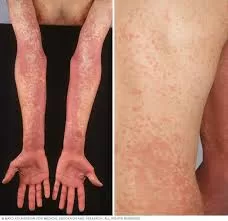
Pustules and Rashes: Specifically between fingers, on wrists, and around the waist.
-
Systemic Symptoms: Fever and respiratory issues, suggesting secondary bacterial infections (pyoderma) or co-occurring seasonal illnesses.
Political Friction and Public Health Accountability
Digvijaya Singh’s intervention highlights a grimmer history in the region. Singh claimed that a similar outbreak claimed lives in Betul just six months ago, suggesting a pattern of “negligence” by district authorities.
“Providing clean drinking water is a primary responsibility of the government,” Singh stated, noting that despite protests from villagers, the administration had failed to secure safe water or rectify the sources of contamination.
In response, Chief Medical and Health Officer (CMHO) Dr. Manoj Hurmade confirmed that a medical camp was established immediately upon notification. “The issue was noticed on March 15, following which a medical team was dispatched to provide necessary treatment,” Dr. Hurmade noted. The administration’s current focus is on symptom management and containing the spread within the village school and household units.
The Link Between Water and Skin Disease
To the general public, the connection between “drinking water” and “skin itching” may seem indirect. However, public health experts point to the “Water-Washed” disease category.
“Water-washed diseases occur when there is insufficient water for personal hygiene,” explains Dr. Arvin Taneja, a specialist in infectious diseases (not involved in the Betul case). “When communities lack a surplus of clean water, they prioritize drinking over bathing. This leads to the rapid spread of skin parasites like scabies and lice. If the drinking water itself contains high levels of coliform bacteria or chemical runoff, the children’s immune systems are further suppressed, making them more susceptible to these infestations.”
Statistical Context: The Burden of Scabies
Scabies is a significant global health burden, particularly in resource-limited settings. According to the World Health Organization (WHO):
-
Scabies affects more than 200 million people at any single time worldwide.
-
In some Indian rural communities, prevalence rates among children can reach as high as 13% to 30%.
-
The WHO added scabies to its list of Neglected Tropical Diseases (NTDs) in 2017 to encourage better government response in regions like Madhya Pradesh.
Challenges and Limitations in Treatment
While the district administration has set up medical camps, treating scabies in a rural village presents significant hurdles:
-
The “Ping-Pong” Effect: If only the symptomatic child is treated, but the rest of the family or classroom is not, the mites will simply migrate back to the child within weeks.
-
Environmental Decontamination: Mites can live on bedding and clothing for 48–72 hours. Without the ability to wash linens in hot water (above 50°C), reinfection is almost certain.
-
Resistance: There are emerging reports of mite resistance to Permethrin (the standard topical treatment), though this has not yet been confirmed in the Betul outbreak.
Looking Ahead: A Call for Clean Infrastructure
The crisis in Betul is more than a medical emergency; it is an infrastructure warning. Public health advocates argue that “medical camps” are a temporary bandage on a systemic wound.
For the children of Danvakheda, the path to recovery requires a two-pronged approach: immediate administration of anti-parasitic medications (like Ivermectin or Permethrin) and a long-term overhaul of the village’s water supply to ensure it meets the standards of the National Rural Drinking Water Programme.
Until then, the “itch” in Betul remains a stinging reminder of the gap between urban health standards and rural realities.
Reference Section
-
News Source: IANS Dispatch (Bhopal, March 20, 2026).
Medical Disclaimer: This article is for informational purposes only and should not be considered medical advice. Always consult with qualified healthcare professionals before making any health-related decisions or changes to your treatment plan. The information presented here is based on current research and expert opinions, which may evolve as new evidence emerges.