 0
0
 0
0
MUMBAI — A high-stakes standoff between the medical community and state authorities culminated late yesterday as the Maharashtra unit of the Indian Medical Association (IMA) officially called off a planned 24-hour statewide strike scheduled for July 20. The decision followed swift judicial intervention by the Bombay High Court, which urged medical professionals to return to duty while directing the state government to address underlying security lapses.
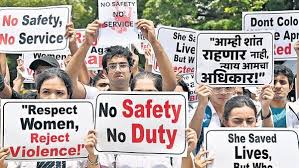
The planned agitation—which would have suspended routine outpatient departments (OPDs) and elective procedures across thousands of private and public hospitals—was triggered by a violent assault on medical staff at the Shastrinagar Municipal Hospital in Dombivli, Thane district. While emergency services, intensive care units (ICUs), and maternity wards were carefully walled off from the strike to prevent loss of life, the near-total shutdown of routine care has reignited an urgent national conversation. Beyond the immediate legal resolution, the crisis highlights a systemic, global epidemic of workplace violence against healthcare professionals, forcing experts to ask: how can we keep hospitals safe?
The Trigger: What Happened in Dombivli
The flashpoint occurred on July 6 at the Shastrinagar Municipal Hospital, a busy civic facility in Thane. According to police reports and IMA statements, a dispute erupted over neonatal care protocols and referral decisions between hospital staff and a local political figure. The disagreement quickly escalated, resulting in an alleged physical assault on the attending doctors and nursing staff by the politician and a group of supporters.
Images of the aftermath and accounts of the vulnerability of the on-duty staff spread rapidly through medical networks, provoking widespread outrage. The IMA Maharashtra unit initially countered with a call for a “token” 24-hour cessation of non-emergency services to demand the immediate arrest of the perpetrators and long-term systemic protections. Although the strike was withdrawn following the High Court’s directives, the medical fraternity has issued a stark warning: further, more sustained agitations could follow if tangible safeguards fail to materialize on the ground.
A Global Epidemic in Local Wards
The tension unfolding in Maharashtra is far from an isolated regional dispute. Data from the World Health Organization (WHO) reveals that healthcare workers face an alarmingly high risk of violence globally. The WHO estimates that between 8% and 38% of all healthcare professionals experience physical violence at some point in their careers, with an even higher percentage subjected to verbal abuse and systematic harassment.
GLOBAL HEALTHCARE WORKPLACE VIOLENCE (WHO DATA)
[████████░░░░░░░░░░░░░░░░░░░░] 8% to 38%
Estimated proportion of global healthcare workers experiencing physical violence.
“Hospitals, particularly public sector emergency rooms in low- and middle-income countries, are high-pressure environments where systemic inadequacies—such as long wait times, overcrowding, and drug shortages—are frequently misdirected at the nearest visible representative of the system: the doctor or nurse,” says Dr. Arpita Roy, a public health policy researcher who has studied occupational safety in South Asian hospitals.
According to the WHO, the consequences of this violence extend far beyond individual physical injuries. Chronic exposure to hostility severely damages staff well-being, drastically reduces workplace motivation, accelerates professional burnout, and ultimately compromises the overall quality of patient care.
The Public Health Stakes: Why It Matters to Patients
The debate surrounding hospital security is frequently mischaracterized as a labor dispute between clinicians and management. However, public health experts emphasize that healthcare worker safety is intrinsically tied to patient safety.
When medical staff operate under a constant threat of violence, the entire ecosystem suffers:
-
Delayed Decisions: Fearful clinicians may practice defensive medicine, delaying high-stakes, time-sensitive interventions or over-referring complex cases to avoid conflict.
-
Operational Friction: The sudden suspension of even routine OPD services, as threatened in Maharashtra, disrupts chronic disease management (such as diabetes and hypertension care), postpones diagnostic reviews, and delays elective surgeries.
-
Resource Drain: The WHO notes that workplace violence causes substantial financial losses for the healthcare sector through absenteeism, staff turnover, and property damage, diverting finite resources away from clinical care.
For health-conscious consumers and the general public, the takeaway is clear: safer working conditions for doctors directly translate to more reliable, empathetic, and efficient care for patients.
Beyond the Gavel: Can Stricter Laws Alone Protect Doctors?
The primary demand of the IMA has consistently focused on legal deterrence—specifically, demanding stricter non-bailable clauses for attackers, faster police investigations, and special fast-track courts to prosecute those who assault medical personnel.
While legal frameworks provide an essential backbone for justice, public health guidance suggests that legislation is only one piece of the puzzle. The policy debate centers on whether severe punishments can genuinely deter an emotionally volatile family member in a moment of grief or panic.
Data from international health systems indicates that physical and operational infrastructure changes yield a more immediate reduction in workplace hostility. Experts advocate for a systems-based approach rather than relying solely on criminal law remedies after an incident has occurred.
Designing Safer Hospitals: What Needs to Change
To transform hospitals into genuine “safe zones,” administrators must implement concrete, structural changes to manage high-stress environments effectively.
| Intervention Strategy | On-Ground Implementation | Public Health Goal |
| Physical Security | Restricted entry points, mandatory baggage screening, and localized security in high-risk zones like emergency rooms and ICUs. | Minimizes unauthorized crowds and restricts weapons. |
| Visitor Management | Strict limit on the number of relatives allowed per patient; color-coded visitor passes. | Reduces chaotic crowding and de-escalates group pressure on staff. |
| Facility Design | Implementation of escape routes for staff, panic buttons at triage desks, and clear signage outlining behavioral expectations. | Provides physical safeguards during sudden escalations. |
| Communication Infrastructure | Dedicated counseling staff to deliver sensitive news; transparent updates on waiting times. | Reduces the anxiety and misinformation that fuel aggression. |
Practical Takeaways for Navigating Healthcare Spaces
For patients and family members, navigating a hospital during an acute health crisis is undeniably stressful. However, understanding the system can help mitigate tension:
-
Utilize Grievance Redressal Cells: If you believe a loved one is receiving inadequate care or facing neglect, bypass direct confrontations with clinical staff. Every major municipal and private facility is legally mandated to have a patient grievance cell or a medical superintendent’s office explicitly structured to handle complaints.
-
Acknowledge Systemic Constraints: Delays in public health settings are frequently due to triaging (treating the most critically ill patients first) or structural resource shortages, rather than individual negligence.
The resolution of the planned July 20 strike by the Bombay High Court provides a temporary reprieve for patients across Maharashtra. However, as the IMA continues its dialogue with state lawmakers, the underlying systemic vulnerabilities remain wide open. True safety will require moving past cyclical outrage and investing in the operational, structural, and cultural scaffolding needed to protect those who heal.
Reference Section
-
-
“Indian Medical Association Maharashtra strike reports on Dombivli hospital assault,” The Indian Express, published July 17, 2026.
-
Medical Disclaimer: This article is for informational purposes only and should not be considered medical advice. Always consult with qualified healthcare professionals before making any health-related decisions or changes to your treatment plan. The information presented here is based on current research and expert opinions, which may evolve as new evidence emerges.