 0
0
 0
0
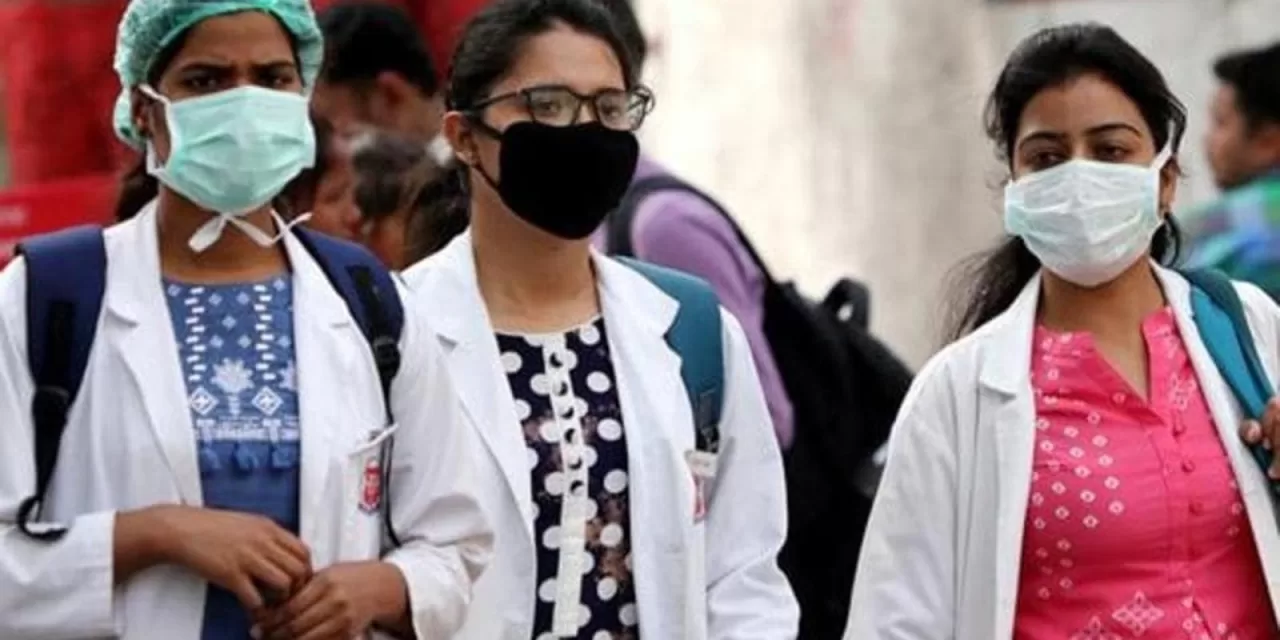
NEW DELHI — In a major bid to modernize how the next generation of doctors is trained, the Indian Council of Medical Research (ICMR) and the National Medical Commission (NMC) have announced a joint national initiative to fund rigorous research into the quality of medical education. The call for proposals, titled “Research for Strengthening and Enhancing Quality of Medical Education,” officially opens for submissions on June 25, 2026, with an application deadline set for August 21, 2026, at 5:00 PM IST.
Targeting medical colleges across India, this joint venture seeks to develop, test, and scale innovative teaching methodologies, advanced digital training tools, and more robust competency-based assessments. By establishing formal, structured research mechanisms within the nation’s medical institutions, health authorities aim to directly bridge the gap between classroom theory and real-world clinical care.
Driving Innovation in the Lecture Hall and the Clinic
The joint initiative marks a pivot toward institutionalizing “medical education research”—treating the way medicine is taught as a scientific discipline in its own right. The funding tracks are split into small grants spanning up to three years and intermediate grants lasting up to four years, both featuring an optional six-month preparatory window to allow institutions to align their infrastructure.
According to the official call document, eligible principal investigators must hold regular faculty positions at recognized medical institutions, possess MBBS/MD/MS/DM qualifications, and demonstrate a verified track record in medical education research. Furthermore, the head of the applying institution must provide strict administrative endorsement, ensuring that the projects receive adequate operational support and are not sidelined by routine clinical duties.
The scope of the call explicitly emphasizes:
-
Digital Integration: Utilizing virtual simulators, artificial intelligence, and telehealth platforms to enhance student competencies.
-
Scientific Writing & Research: Training undergraduates and postgraduates in research methodology, data analysis, and ethical scientific writing.
-
Competency-Based Evaluations: Creating reliable metrics to measure actual clinical skills rather than relying on rote memorization.
Balancing Rote Learning with Real-World Competency
This initiative arrives on the heels of India’s sweeping transition to Competency-Based Medical Education (CBME). Rolled out by the NMC, CBME shifts the educational focus away from arbitrary time spent in lecture halls toward measurable, outcome-based proficiency. However, while the framework exists on paper, systematic research verifying what actually works in practice has remained sparse.
A landmark study published in the Journal of Education and Health Promotion, which surveyed 987 MBBS students across 74 Indian medical colleges, highlighted both the promise and the friction of this educational shift. The study revealed that nearly three-fourths of the learners strongly supported newer pillars of the curriculum, such as early clinical exposure (introducing students to patients in their first year) and the Attitude, Ethics, and Communication (AETCOM) modules. However, the data also underscored that students felt certain segments required substantial refinement and standardized execution across different states.
Medical education literature underscores that well-implemented CBME blends knowledge, clinical skills, and professional behaviors into a patient-centered model. Without dedicated funding to study how these programs are received, educators warn that the implementation could become a mere box-checking exercise.
From Classroom to Bedside: The Public Health Ripple Effect
“We cannot separate the quality of a country’s medical education from the quality of its healthcare delivery,” says Dr. Arati Prabhakar, an independent public health consultant and former medical faculty member who is not involved in the ICMR-NMC project. “If a medical student is never taught how to critically appraise a clinical trial or communicate empathetically during a crisis, those deficits follow them right into the primary health center or the intensive care unit.”
The World Health Organization (WHO) has long maintained that quality assurance in basic medical education is deeply tied to the “social accountability” of medical schools—their obligation to direct their education, research, and service activities toward addressing the priority health concerns of the communities they serve.
In India, where the disease burden varies drastically between dense urban centers and underserved rural pockets, research-capable doctors are crucial. Doctors trained under rigorous, evidence-based systems are far more likely to contribute to localized research in pressing areas such as emerging communicable diseases, rising rates of non-communicable conditions (like diabetes and cardiovascular disease), and digital health deployment.
Challenges on the Horizon: Moving Beyond Paperwork
While the initiative has been widely lauded by the academic community, experts caution that funding alone will not guarantee systemic reform. A primary constraint acknowledged within the ICMR call document itself is that structured research mechanisms are currently limited to only a handful of elite medical institutions in India.
Smaller or newer medical colleges, particularly those in tier-2 and tier-3 cities, frequently face severe bottlenecks:
-
Lack of Protected Time: Faculty members are often overwhelmed by massive patient loads, leaving little to no time for educational research.
-
Inadequate Mentorship: A shortage of senior faculty experienced in publishing peer-reviewed educational research limits the quality of grant proposals.
-
Infrastructure Gaps: Limited access to digital libraries, statistical software, and dedicated research offices.
For this initiative to achieve true national scale, health authorities will likely need to pair funding with aggressive capacity-building, mentoring networks, and structural incentives that reward faculty for educational innovation.
What This Means for Patients and Professionals
For faculty and medical students, the joint call promises a more supportive environment to explore modern teaching tools and improve the quality of mandatory postgraduate theses.
For health-conscious consumers and the broader public, the long-term implications are reassuring. The initiative signals a deliberate move toward cultivating a culture of evidence, critical thinking, and empathy within India’s medical colleges. Ultimately, a medical school system that subjects its own teaching methods to rigorous scientific scrutiny is far better equipped to graduate doctors who make safer, more precise, and deeply compassionate clinical decisions at the bedside.
Reference Section
1. https://medicaldialogues.in/news/education/nmc-icmr-invite-research-proposals-on-strengthening-quality-of-medical-education-details-175326
Medical Disclaimer: This article is for informational purposes only and should not be considered medical advice. Always consult with qualified healthcare professionals before making any health-related decisions or changes to your treatment plan. The information presented here is based on current research and expert opinions, which may evolve as new evidence emerges.