 0
0
 0
0
Ajman, May 28:
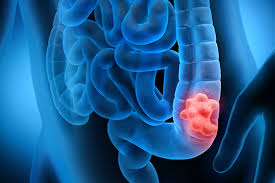
A sharp increase in bowel cancer cases among young adults is causing alarm among health experts worldwide, with new research highlighting a possible link to a bacterial toxin found in the gut. Scientists have identified colibactin—a substance produced by certain strains of Escherichia coli (E. coli)—as a potential driver behind this concerning trend.
A New Suspect: Colibactin
Recent studies have revealed that early-life exposure to colibactin, particularly within the first ten years, may cause DNA damage in the cells lining the bowel. This damage can silently accumulate, setting the stage for colorectal cancer that may not manifest until decades later. Researchers found that DNA mutations associated with colibactin were over three times more common in patients under 40 compared to those aged 70 or older, where age-related mutations predominate.
Rising Rates Among the Young
Historically, bowel (colorectal) cancer has been most common in people over 50. However, global statistics now show a worrying rise in cases among those aged 25 to 49. In the United States, for example, the proportion of colorectal cancer cases in individuals under 55 has nearly doubled since the mid-1990s. Experts warn that if this trend continues, colorectal cancer could become the leading cause of cancer-related deaths among young adults by 2030.
Symptoms and the Importance of Early Detection
Bowel cancer often develops silently, with early stages presenting no symptoms. When symptoms do appear, they may include:
-
Blood in the stool (bright red or tarry)
-
Persistent changes in bowel habits (diarrhea, constipation, or narrow stools)
-
Unexplained weight loss
-
Abdominal pain or cramping
-
A constant urge to empty the bowels
-
Fatigue or weakness
Doctors emphasize that early detection is critical. Younger patients are often diagnosed at more advanced stages, partly due to lower screening rates and misattribution of symptoms to less serious conditions.
Why Is This Happening?
While the exact reasons for the rise remain unclear, several risk factors are under scrutiny:
-
Gut Microbiome Changes: Highly processed diets may encourage the growth of colibactin-producing E. coli, increasing cancer risk decades later.
-
Genetics: Family history, including hereditary syndromes like Lynch syndrome and FAP, raises risk.
-
Lifestyle: Sedentary behavior, obesity, smoking, and excessive alcohol use are all established risk factors.
-
Diet: High intake of red or processed meats and low-fiber diets have been linked to increased risk.
-
Medical History: Inflammatory bowel diseases such as Crohn’s disease and ulcerative colitis are known precursors.
What Can Be Done?
Experts urge young adults to take digestive health seriously and not ignore any warning signs. Regular screening is recommended, especially for those with a family history of the disease or other risk factors. Lifestyle changes—such as increasing dietary fiber, reducing red and processed meat intake, and maintaining a healthy weight—may also help lower risk.
“Bowel cancer is increasingly affecting individuals who are otherwise young and healthy. Timely awareness and action cansave lives, said a leading oncologist.
As researchers continue to investigate the role of gut bacteria and other factors, the medical community is calling for improved early detection strategies and greater public awareness to address this growing health crisis.
Disclaimer:
This article is for informational purposes only and is not a substitute for professional medical advice, diagnosis, or treatment. If you experience any symptoms or have concerns about your health, please consult a qualified healthcare provider.
Citations: