 0
0
 0
0
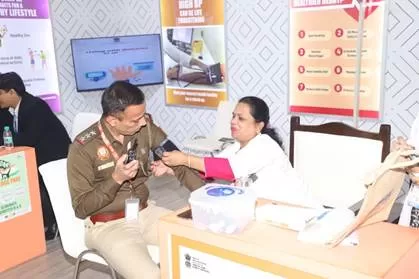
NEW DELHI — In one of the largest public health interventions in modern history, India’s Union Health Ministry has screened more than 420 million (42 crore) individuals for high blood pressure, identifying over 73 million (7.3 crore) cases of hypertension. Union Health Minister J.P. Nadda announced the milestone at the 10th Convocation of the Institute of Liver and Biliary Sciences in New Delhi. The campaign leverages India’s rapidly expanding primary healthcare infrastructure to catch the “silent killer” before it triggers catastrophic cardiovascular events.
The scale of the initiative highlights a major pivot in the nation’s healthcare strategy: moving away from late-stage hospital treatments and focusing heavily on early, community-level prevention.
Unmasking the “Silent Killer” at Scale
Hypertension rarely shows early symptoms, yet it remains a leading driver of heart disease, stroke, chronic kidney damage, and premature death. According to the World Health Organization (WHO), an estimated 1.28 billion adults aged 30–79 worldwide live with hypertension, and remarkably, nearly half are entirely unaware of their condition.
India’s massive screening drive was executed through a network of more than 185,000 Ayushman Arogya Mandirs (AAM)—the cornerstone hubs of the country’s population-based Non-Communicable Disease (NCD) program. Alongside blood pressure checks, the initiative screened 420 million people for diabetes, uncovering nearly 50 million cases, while concurrently scaling up nationwide screenings for cervical cancer.
+-------------------------------------------------------------+
|               INDIA'S NCD SCREENING DRIVE                   |
+-------------------------------------------------------------+
|  420 Million People Screened Globally/Nationally            |
|                                                             |
|  [73 Million] -------------------> Diagnosed with High BP    |
|  [50 Million] -------------------> Identified with Diabetes  |
+-------------------------------------------------------------+
|  Source: Union Health Ministry, India (2026 data)            |
+-------------------------------------------------------------+
For public health experts, these numbers are a bittersweet milestone. While they demonstrate an unprecedented logistical achievement, they also expose an immense, previously hidden burden of chronic disease across both rural and urban communities.
Moving Beyond the First Reading: The Clinical Challenge
While a single elevated blood pressure reading during a mass campaign is an important warning sign, independent clinical guidelines emphasize that it is not a definitive diagnosis.
A consensus statement published in the Journal of the Association of Physicians of India (JAPI) recommends starting routine blood pressure screenings from age 18. The authors emphasize using validated electronic blood pressure devices and taking at least two distinct readings. This approach aligns with international standards, such as those from the U.S. Preventive Services Task Force (USPSTF), which note that “office-based” elevated readings should ideally be confirmed with repeat measurements or out-of-office ambulatory blood pressure monitoring before a patient is started on lifelong medication.
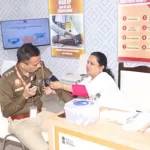
The operational success of India’s campaign relies heavily on the training of primary healthcare workers. To prevent false positives or negatives, staff must ensure precise execution: using the correct cuff size, ensuring the patient rests quietly for five minutes before the test, and utilizing properly calibrated digital monitors.
The Real Test: Continuity of Care
Public health specialists not involved in the government initiative praise the drive’s reach but offer a vital caveat: screening is only the first link in a very long chain.
“Finding the patients is an excellent first step, but the real victory lies in what happens next,” notes an independent public health policy expert. “Are these 73 million individuals being successfully connected to secondary diagnostic confirmation? Do they have steady, uninterrupted access to affordable medications? And crucially, are they receiving the lifestyle counseling required to manage a chronic condition for the rest of their lives?”
The WHO’s global briefs on hypertension emphasize that a screening program cannot exist in a vacuum. To successfully reduce mortality rates, a country’s health infrastructure must unite screening, treatment pathways, medication supply chains, and long-term electronic registries into a single, seamless ecosystem. Without robust follow-up care, initial screening data can overestimate the true controlled patient population while failing to lower actual stroke and heart attack rates.
What This Means for Your Daily Health
For health-conscious consumers, the takeaways from India’s massive campaign are clear and actionable:
-
Do Not Wait for Symptoms: Because high blood pressure damages blood vessels quietly over years, regular checks are essential for all adults over 30—or starting at age 18 if risk factors exist.
-
Don’t Panic Over One High Reading: A single high number can be triggered by stress, caffeine, or rushed movement. Treat it as a prompt to get a structured evaluation from a doctor.
-
Focus on Modifiable Risks: Prevention and management rest heavily on daily lifestyle choices. Reducing dietary sodium (salt), increasing physical activity, maintaining a healthy weight, avoiding tobacco, and limiting alcohol intake remain the most effective non-pharmacological defenses against hypertension.
For healthcare providers on the ground, the ministry’s data underscores an urgent mandate to strengthen local referral pathways, optimize patient adherence tracking, and ensure that no “screen-positive” individual slips through the cracks of the primary care network.
References
-
J.P. Nadda. Official address at the 10th Convocation of the Institute of Liver and Biliary Sciences, New Delhi. As reported by ETHealthworld, June 30, 2026.
Medical Disclaimer: This article is for informational purposes only and should not be considered medical advice. Always consult with qualified healthcare professionals before making any health-related decisions or changes to your treatment plan. The information presented here is based on current research and expert opinions, which may evolve as new evidence emerges.