 0
0
 0
0
DHAKA, Bangladesh — A devastating measles outbreak in Bangladesh has reached a grim new milestone. Over a 24-hour period ending June 7, 2026, seven more children died from measles-like symptoms, pushing the national death toll to 620, according to the Directorate General of Health Services (DGHS). Initiated in mid-March, the epidemic has rapidly expanded, infecting more than 79,000 people nationwide. The crisis underscores a severe public health emergency, straining local hospital networks and prompting an emergency intervention by the government and international health agencies to curb one of the deadliest measles resurgences in the country’s recent history.
The Scale of the Crisis: Latest Data and Findings
The latest epidemiological bulletin from the DGHS reveals an alarming acceleration in transmissions across the country. Between June 6 and June 7, healthcare facilities recorded 1,221 new hospital admissions of patients exhibiting measles-like symptoms. Within that same 24-hour window, 66 cases were laboratory-confirmed.
The mortality data highlights a widening diagnostic gap that complicates the clinical picture:
-
91 children have died from laboratory-confirmed measles infections.
-
529 children have died with symptoms heavily consistent with measles but without formal laboratory confirmation.
Since the outbreak’s onset on March 15, 2026, Bangladesh has documented 9,686 laboratory-confirmed cases alongside 79,012 suspected cases. The surge has placed an unprecedented burden on the country’s healthcare system, with 64,263 patients requiring hospitalization. While 60,084 individuals have been treated and discharged, the continuous influx of new patients is severely testing local clinical capacities.
Understanding Measles: A Highly Contagious Threat
Measles is an extraordinarily contagious airborne disease caused by a virus that colonizes the nose and throat of an infected person. It spreads through respiratory droplets generated by coughing, sneezing, or direct contact with infected secretions. According to the World Health Organization (WHO), measles is one of the most transmissible infectious diseases known; a single infected individual can infect up to 18 unprotected secondary contacts.
Measles Transmission Cycle & Symptoms Timeline:
[Exposure] -> 10–14 Days -> [Early Symptoms: High Fever, Cough, Koplik Spots]
           -> 14–18 Days -> [Characteristic Rash Spreads Face to Feet]
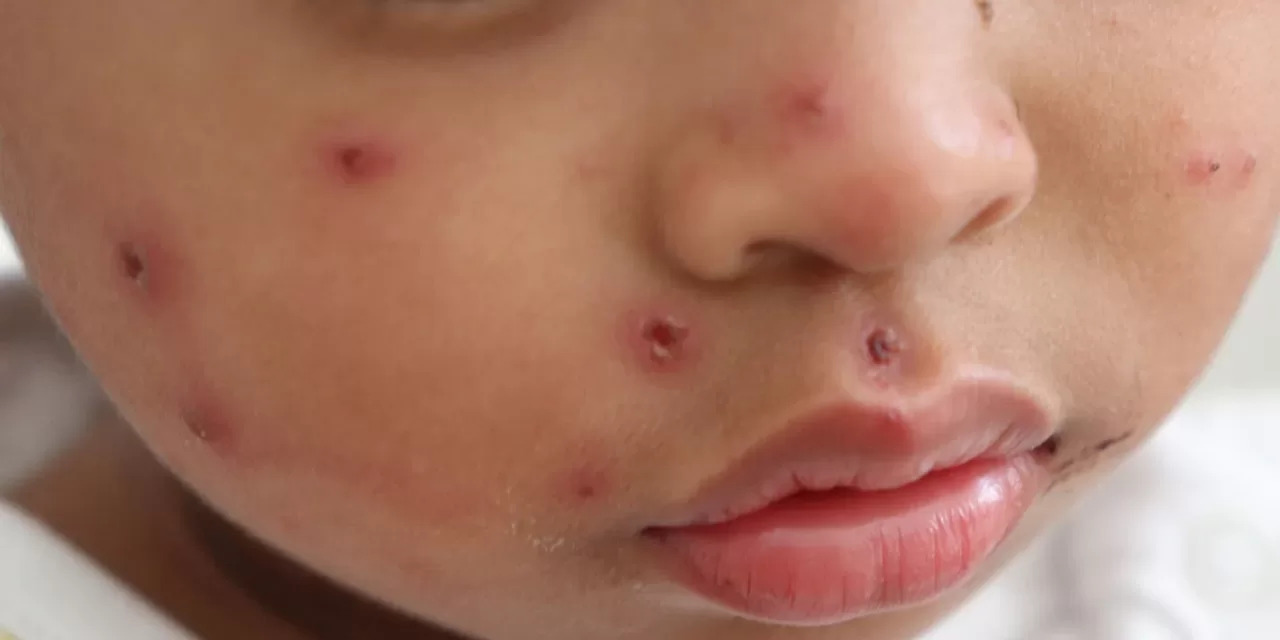
Early clinical signs typically manifest 10 to 14 days after exposure and include a high fever, a persistent cough, coryza (runny nose), and conjunctivitis (red, watery eyes). Clinicians also look for Koplik spots—small white lesions that appear inside the cheeks—prior to the eruption of the characteristic maculopapular rash, which begins on the face and upper neck before spreading downward to the extremities.
Most fatalities are not caused by the virus itself, but by severe secondary complications. These include:
-
Pneumonia: The most frequent cause of measles-related death in young children.
-
Encephalitis: Brain swelling that can lead to seizures, blindness, or permanent neurological disability.
-
Severe Diarrhea and Dehydration: Exacerbating pre-existing nutritional deficiencies.
Children under the age of five and adults over thirty face the highest risk of severe outcomes. Malnourished children—particularly those suffering from vitamin A deficiency or compromised immune systems—are highly susceptible to lethal complications.
Anatomy of an Outbreak: Systemic Failures in Immunity
Public health experts point to a convergence of systemic vulnerabilities that dismantled Bangladesh’s population immunity. The nation had initially targeted measles elimination by 2020, later extending that goal to 2026. However, current data shows that routine immunization coverage currently sits at 85% for the first dose and 82% for the second dose—leaving a critical 15% to 20% pool of the pediatric population completely unprotected.
Independent specialists and health authorities identify four primary drivers behind the current crisis:
1. Collapse in Vaccination Coverage
Routine immunizations plummeted to 57.1% in 2025, marking the lowest coverage rate the country has seen in eight years. This sharp decline compromised herd immunity thresholds, which typically require a 95% vaccination rate to prevent measles outbreaks.
2. Operational Cancellations
A critical, specialized measles vaccination campaign planned for 2025 was cancelled to accommodate a simultaneous oral polio vaccination drive. This logistical pivot left hundreds of thousands of children without their scheduled immunizations, creating a large, highly susceptible cohort.
3. Supply Chain Impediments
Despite an allocation of Tk458 crore for vaccine procurement in March 2025, persistent procurement and administrative bottlenecks resulted in widespread vaccine stockouts and shortages across rural and urban clinics alike.
4. Co-occurring Malnutrition
An ongoing child malnutrition crisis has drastically lowered the baseline immunity of vulnerable children, converting preventable infections into fatal clinical cases.
Expert Perspectives: A Move Toward Containment
Medical authorities emphasize that the scale of the current epidemic represents a significant setback. “The current number of affected children and fatalities surpasses those seen in previous years,” noted Dr. Halimur Rashid, Director of Communicable Disease Control at the DGHS.
Public health specialists are urging rapid, aggressive structural interventions. Dr. Benazir Ahmed, a leading pediatric specialist, warned against delayed logistics:
“Waiting until June for the campaign is risky, as many more children could become infected by then. We need immediate isolation of infected children, dedicated hospital wards, and rapid, nationwide clinical training for physicians to standardize supportive treatment protocols.”
Addressing the biological timeline of protection, public health expert Dr. Tajul Islam noted that for completely unvaccinated individuals, protective immunity generally develops within 10 days of receiving a new dose. For those who previously received one dose, a booster shot can stimulate protective antibody levels within 5 to 6 days.
Representatives from UNICEF have reiterated that emergency response initiatives must rigorously prioritize children who have completely missed their routine immunizations, as they represent the highest risk for severe morbidity and mortality.
The Public Health and Government Response
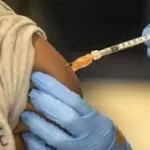
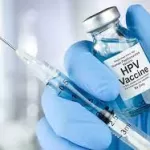
In response to the rising death toll, the Government of Bangladesh, in coordination with UNICEF and the WHO, has initiated an emergency mass vaccination campaign.
| Campaign Parameter | Strategy and Scope |
| Timeline | Launched in early June 2026 |
| Initial Phase | Targeting 30 highly affected upazilas (sub-districts) |
| Immediate Target | Over 1.2 million children aged 6 months to 5 years |
| Expanded Goal | 20 million children aged 6 months to 15 years over one month |
| Geographic Focus | Overcrowded urban sectors of Dhaka and Cox’s Bazar refugee camps |
To ensure political and administrative accountability, Prime Minister Tarique Rahman has instructed two senior ministers to travel across the country to audit the healthcare response, evaluate local shortages, and streamline field operations.
Global Context and Epidemiological Comparisons
The situation in Bangladesh reflects a broader global vulnerability. Despite the availability of a highly effective, low-cost vaccine since 1963, measles remains a leading cause of childhood mortality globally. In 2024 alone, an estimated 95,000 individuals—primarily children under five—died from the disease worldwide.
| Metric | Developing Countries (Outbreak Settings) | Developed Countries (e.g., United States) |
| Overall Case Fatality Rate | 0.70% – 1.00% (Current Bangladesh Outbreak) | 0.10% – 0.30% |
| Unvaccinated Pediatric Rate (<5 yrs) | Up to 16.2% | Extremely rare due to supportive care |
| Infants (<9 months) Rate | Exceeds 24.0% | High risk, but minimized by herd immunity |
The current case fatality rate (CFR) in Bangladesh sits at approximately 0.83% across all cases, rising to 1.00% among laboratory-confirmed cases. This contrasts sharply with developed countries like the United States, where robust healthcare infrastructure and high baseline nutrition levels keep the measles mortality rate between 0.1% and 0.3% (1 to 3 deaths per 1,000 cases). In settings marked by severe malnutrition and zero vaccination, historical data published in peer-reviewed journals indicates the CFR can spike to 16.2% for children under five, and exceed 24% for infants under nine months old.
Limitations in Data and Uncertainties
Journalistic objectivity requires acknowledging several data limitations that cloud a full assessment of this outbreak:
-
The Confirmation Gap: Only 12.2% (9,686 out of 79,012) of suspected cases have undergone formal laboratory confirmation. The remaining cases are categorized based on clinical presentation, leaving room for diagnostic overlap with other rash-illnesses like rubella or dengue.
-
Death Classification Discrepancies: The gap between 91 confirmed deaths and 529 suspected deaths raises questions regarding field diagnostics, post-mortem reporting accuracy, and potential under-counting in remote rural sectors.
-
Evolving Field Metrics: Epidemic dynamics change daily; the statistical models reported by the DGHS reflect a trailing snapshot that may lag behind real-time transmission rates on the ground.
Practical Action and Guidance for Families
For parents and caregivers navigating outbreak zones, health authorities emphasize adherence to established preventative and therapeutic protocols:
-
Complete the Two-Dose Schedule: The WHO outlines that a single dose does not guarantee universal immunity. Children should receive their first dose at 9–12 months and their second dose at 15–18 months.
-
Implement Vitamin A Supplementation: Clinical trials show that administering two high doses of vitamin A 24 hours apart during measles treatment restores systemic levels, helps prevent ocular damage and blindness, and reduces overall mortality by up to 50%.
-
Early Symptom Isolation: If a child develops a sudden high fever accompanied by a cough or runny nose, they should be isolated immediately from other children, and parents should seek clinical evaluation before the rash appears.
The international community continues to emphasize that at less than US$1 per dose, the measles vaccine remains one of the safest, most cost-effective public health interventions in medical history. The tragedy unfolding in Bangladesh serves as a stark reminder that when immunization infrastructure falters, the consequences are swift, measurable, and fatal.
Medical Disclaimer: This article is for informational purposes only and should not be considered medical advice. Always consult with qualified healthcare professionals before making any health-related decisions or changes to your treatment plan. The information presented here is based on current research and expert opinions, which may evolve as new evidence emerges.
References
- https://www.lokmattimes.com/international/bangladesh-measles-outbreak-claims-seven-more-lives-death-toll-rises-to-620-1/