 0
0
 0
0
Published: June 11, 2026
KOZHIKODE, Kerala — A 43-year-old man from Feroke in Kerala’s Kozhikode district has tested positive for the Nipah virus in a preliminary screening conducted at the Government Medical College Hospital. The diagnosis has prompted state health authorities to immediately activate rigorous containment protocols, including extensive contact tracing and isolation measures, while waiting for definitive laboratory results. A final confirmation from the apex testing body, the National Institute of Virology (NIV) in Pune, is expected later today, Thursday, June 11, 2026.
Key Findings and Current Situation
The patient is reportedly in stable condition under strict isolation at the Government Medical College Hospital. According to state health department reports, the individual initially sought treatment through an outpatient department and subsequently visited multiple wards of a local private hospital before clinical suspicion led to Nipah screening.
Because the patient interacted with numerous individuals across various hospital departments before isolation, health authorities face a complex contact-tracing effort. Kerala Health Minister K. Muralidharan confirmed the initial screening results but urged the public to remain calm.
“Our healthcare infrastructure has successfully managed localized outbreaks of this nature in the past. There is absolutely no reason for panic at this stage, as all necessary precautionary protocols are already in motion,” Minister Muralidharan stated during a press briefing.
Epidemiological investigators suspect the patient may have contracted the virus while cleaning a local warehouse—an environment where contact with disease vectors is possible—though the exact source of exposure remains unconfirmed. As an immediate safeguard, high-risk contacts, including the healthcare workers who initially evaluated the patient, have been placed under strict quarantine.
Understanding Nipah Virus: Background and Context
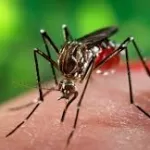
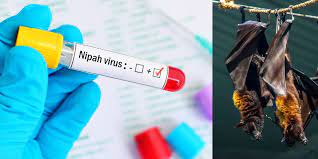
Nipah virus is a highly pathogenic, zoonotic virus—meaning it transmits from animals to humans. The natural reservoir for the virus is the fruit bat, specifically species belonging to the Pteropodidae family. Spillover to humans typically occurs via direct contact with infected bats, exposure to their bodily fluids, or through the consumption of food products, such as raw date palm sap or fruits, contaminated by bat saliva or urine. Secondary human-to-human transmission can occur through close, unprotected physical contact with an infected individual’s respiratory droplets or secretions.
The World Health Organization (WHO) classifies Nipah virus as a priority pathogen due to its severe clinical presentation and the lack of specific antiviral treatments or vaccines.
Epidemiology and Clinical Profile of Nipah Virus
| Characteristic | Clinical and Epidemiological Details |
| Natural Reservoir | Fruit bats (Pteropodidae family) |
| Incubation Period | Typically 3–14 days (rarely extended up to 45 days) |
| Case Fatality Rate | Estimated between 40% and 75% globally, depending on outbreak management |
| Primary Transmission Paths | Animal-to-human (bats), foodborne (contaminated fruit/sap), and human-to-human |
| Initial Symptoms | Fever, headache, myalgia (muscle pain), vomiting, and sore throat |
| Severe Complications | Acute respiratory distress, encephalitis (brain inflammation), seizures, and coma |
| Long-Term Sequelae | Approximately 20% of survivors experience persistent neurological issues or personality changes |
Kerala’s History with Nipah Outbreaks
The southwestern state of Kerala has emerged as a frequent site for localized Nipah virus spillover events over the past decade. Epidemiological data indicates these outbreaks consistently cluster between the months of May and September, aligning with specific environmental factors and bat breeding cycles.
-
2018 (Kozhikode): The state’s first major encounter resulted in 23 laboratory-confirmed cases and 21 fatalities, representing a devastating 91% case fatality rate.
-
2019 (Ernakulam): A single isolated case was detected early; the patient made a full recovery due to rapid containment.
-
2021 (Kozhikode): A localized spillover led to the tragic death of a 12-year-old boy, though further spread was successfully averted.
-
2023 (Kozhikode): An outbreak involving six confirmed cases resulted in two deaths, showing improved institutional containment capabilities.
-
2025 (Malappuram and Palakkad): Multiple fatalities were recorded in a multi-district cluster, reinforcing the endemic nature of the virus in the region’s wildlife.
Public Health Response and Containment Measures
Drawing from lessons learned during previous outbreaks, Kerala’s public health system acted rapidly following the preliminary positive result. The state government has mobilized a multi-tiered response protocol:
-
Comprehensive Contact Tracing: Teams are mapping the patient’s movements across multiple private and public hospital departments to construct an exhaustive contact list.
-
Institutional Quarantine: Healthcare staff and family members exposed to the patient during the infectious window are under active monitoring.
-
High-Level Coordination: A specialized medical board convened early Thursday morning to review the patient’s clinical status. Concurrently, the Kozhikode District Collector is chairing a multi-departmental administrative meeting to evaluate logistics.
-
Zonal Restrictions: Decisions regarding the implementation of containment zones, micro-quarantines, and localized travel restrictions are being finalized, contingent on the definitive testing data from NIV Pune.
-
State-Level Surveillance: Health Minister Muralidharan has called a senior health officials’ meeting in Thiruvananthapuram to coordinate resources, including the potential deployment of mobile Biosafety Level 3 (BSL-3) laboratories to accelerate regional testing capabilities.
Expert Perspectives on Transmission and Risk
While a Nipah diagnosis carries an inherently high mortality risk for the individual, international virologists emphasize that the pathogen does not possess the same pandemic potential as highly transmissible respiratory viruses.
Dr. Linfa Wang, PhD, a renowned virologist and Director of the GVN Center of Excellence at Duke-NUS Medical School in Singapore, provided critical context regarding the regional risk profile:
“Overall, the risk of regional or global spread of Nipah virus remains very low,” Dr. Wang explained. “Similar outbreaks have occurred repeatedly in India and Bangladesh, driven largely by specific cultural, ecological, and environmental factors rather than sustained, efficient human-to-human transmission.”
Representatives from the Global Virus Network (GVN) echo this sentiment, noting that while localized cases are deeply serious and require immediate public health interventions, these sporadic spillover events are entirely expected given the established wildlife reservoirs in South Asia.
Limitations and Uncertainties in Current Reporting
Journalistic integrity requires highlighting several critical variables that remain unresolved:
-
Preliminary Diagnostics: The current response is based entirely on local screening tests. Under guidelines established by the Indian Council of Medical Research (ICMR), only the National Institute of Virology in Pune holds the statutory authority to formally confirm a Nipah virus diagnosis in India.
-
The Testing Timeline: While regional diagnostic capabilities have improved, validating samples for highly hazardous pathogens involves strict international biosafety requirements, a process that can take up to 12 hours once the sample arrives at the reference laboratory.
-
Unconfirmed Source of Infection: Although warehouse cleaning is a strong epidemiological hypothesis, investigators have not yet isolated the precise environmental or animal source that triggered the spillover.
Implications for Public Health and Daily Life
For healthcare providers, this situation serves as an urgent reminder to reinforce strict Infection Prevention and Control (IPC) measures. The WHO advises that medical personnel suspecting viral hemorrhagic fevers or encephalitis cases should universally apply standard barrier precautions. This includes utilizing well-fitting medical masks or respirators, eye protection, fluid-resistant gowns, and examination gloves to halt nosocomial (hospital-acquired) transmission.
For health-conscious consumers and residents in endemic corridors, public health authorities advise simple, evidence-based preventive measures to mitigate exposure:
-
Avoid Raw Date Palm Sap: Do not consume raw sap or juices collected from open outdoor containers, as these are primary vectors for bat secretions.
-
Practice Food Hygiene: Thoroughly wash, peel, and inspect all fruits before consumption. Discard any produce that shows signs of animal bites or physical damage.
-
Maintain Physical Distance: Avoid close, unprotected contact with anyone exhibiting severe fever, respiratory distress, or acute confusion in known risk zones.
-
Enforce Hand Hygiene: Regularly wash hands with soap and water or use alcohol-based sanitizers, particularly after visiting clinical environments or caring for ill family members.
Residents of Kozhikode and surrounding regions should closely monitor official bulletins from the Kerala Health Department regarding localized containment zones. While maintaining high awareness and practicing meticulous hygiene are essential, public health officials emphasize that panic is unwarranted, as early identification remains the state’s most effective tool for containment.
Medical Disclaimer
This article is for informational purposes only and should not be considered medical advice. Always consult with qualified healthcare professionals before making any health-related decisions or changes to your treatment plan. The information presented here is based on current research and expert opinions, which may evolve as new evidence emerges.
References
- https://www.ndtv.com/india-news/kerala-man-tests-positive-for-nipah-in-preliminary-screening-11619722