 0
0
 0
0
KINSHASA, DEMOCRATIC REPUBLIC OF THE CONGO — The ongoing battle against the deadly Bundibugyo Ebola virus strain in the Democratic Republic of the Congo (DRC) is reaching a critical inflection point. As of June 9, 2026, the number of confirmed cases has risen to 635, up from the initial clusters reported just weeks ago, according to DRC Health Minister Roger Kamba. Despite the mounting caseload, health authorities report that emergency response measures are finally gaining momentum, underscored by a rising number of patient recoveries and a vital expansion of contact tracing networks across the central African nation.
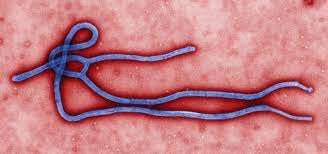
The outbreak, which officially began on May 15, 2026, was swiftly designated a Public Health Emergency of International Concern (PHEIC) by the World Health Organization (WHO) on May 17. The classification reflects the severe risk profile of the Bundibugyo species (Orthoebolavirus bundibugyoense). Unlike the more common Zaire ebolavirus strain, there are currently no approved, licensed vaccines or specific antiviral treatments available for the Bundibugyo variant, making early clinical intervention and meticulous community containment the only viable lines of defense.
Early Care Yields Vital Signs of Recovery
In a public briefing broadcast on the social media platform X, Minister Kamba revealed that eight new patient recoveries were documented on Wednesday—seven in the Nyankunde health zone and one in Mongbwalu, both located within the hard-hit northeastern province of Ituri. These latest discharges bring the total number of documented survivors to 30.
While the ratio of recoveries to overall cases remains small, public health officials emphasize that these early survivals carry massive psychological and practical value for community trust.
“Each recovery sends a strong message: come for treatment, as early care saves lives,” Kamba stated.
To support the clinical response, the Congolese government has deployed 490 tonnes of essential medical supplies and medicines to the frontline provinces of Ituri, North Kivu, and South Kivu. Local laboratory infrastructures have been systematically upgraded to slash sample turnaround times, and rapid response teams have shifted to round-the-clock operational schedules.
The Containment Math: Contact Tracing Inches Forward
Managing an Ebola outbreak is a war of attrition dependent on interrupting transmission chains. Public health professionals measure the effectiveness of this fight through contact tracing—identifying, locating, and monitoring every individual who has interacted with an active patient during the virus’s 2-to-21-day incubation period.
Minister Kamba announced that the proportion of contacts actively under health surveillance has improved to 61.1%, an incremental climb from the 56.4% recorded just 24 hours prior. Health authorities note they are closely investigating “every zone, every alert, and every signal” to keep pace with the pathogen.
          SURVEILLANCE EXPANSION (JUNE 2026)

  Previous Day   [█████████████████████░░░░░░░░░░] 56.4%

  Current Status [███████████████████████░░░░░░░░] 61.1%
Anatomy of the Threat: Understanding Bundibugyo
The Bundibugyo virus is one of six species within the Orthoebolavirus genus known to cause human disease. Historically, its case-fatality rates have ranged between 30% and 50% in past outbreaks—lower than the Zaire strain’s historical peak of 90%, but still exceptionally lethal.
The virus propagates via direct human-to-human contact. Transmission occurs through exposure to the bodily fluids (such as blood, vomit, sweat, or saliva) of an infected individual displaying active symptoms, or via surfaces and materials contaminated by those fluids.
Symptom Progression
Because early symptoms mimic everyday endemic tropical illnesses, clinical identification remains a steep hurdle for field doctors.
-
Initial Stage (Days 2–7): Sudden onset of high fever, profound fatigue, muscle aches, severe headache, and sore throat.
-
Advanced Stage (Days 7+): Severe vomiting, persistent diarrhea, impaired kidney and liver function, and in some instances, internal and external hemorrhaging (bleeding).
A Complex Crisis: Conflict and Displaced Camps
Independent health security experts warn that the true scope of the crisis may be obscured by the deep humanitarian and security complications tracking the region. The eastern provinces of the DRC are currently home to dense networks of camps for internally displaced persons (IDPs), driven by long-standing regional conflicts.
“The epidemiological data shows progress, but the operational environment is profoundly volatile,” notes Dr. Helene Vance, an independent infectious disease epidemiologist not involved in the government response. “In settings where hundreds of thousands of displaced individuals live in close quarters with limited access to clean water and sanitation, standard contact tracing guidelines become incredibly difficult to implement.”
Reports from humanitarian agencies on the ground indicate acute shortages of isolation tents, protective gear, and basic hygiene infrastructure like soap and clean running water in several informal settlements throughout Ituri Province. Furthermore, localized insecurity and movement restrictions have occasionally prevented medical teams from accessing remote alerts, allowing some suspected cases to pass away in communities before formal isolation could occur.
The Global R&D Pivot
Because the world lacks a commercial vaccine for the Bundibugyo strain, international health agencies are scrambling to initiate emergency research frameworks. The WHO Research and Development (R&D) Blueprint Technical Advisory Group recently convened to evaluate experimental, candidate therapeutics and vaccines that could potentially be deployed under compassionate-use protocols.
Additionally, international partners are stepping up logistical support. The European Union, via its co-financed emergency hub in Dakar, has delivered tons of specialized personal protective equipment (PPE) and diagnostic kits to Kinshasa, while assigning specialist teams to assist local health workers.
What This Means for Global Health Literacy
For the broader global public, the resurgence of Ebola serves as a sobering reminder of the interconnected nature of modern health security. While organizations like the European Centre for Disease Prevention and Control (ECDC) assess the immediate risk to distant regions as very low, the international community’s primary objective remains containment at the source.
For health-conscious consumers and clinicians alike, the lessons of the DRC response are universal:
-
Early Supportive Care: While a specific cure is absent, aggressive early clinical support—including intravenous rehydration, electrolyte stabilization, and symptom-specific medication—radically alters patient outcomes and drives down mortality.
-
The Power of Trust: Outbreaks do not end solely through medical interventions; they end when local communities feel safe enough to self-report symptoms and cooperate with health workers.
As the DRC enters a pivotal phase of its 17th documented Ebola outbreak, the coming weeks will determine whether global logistics and local vigilance can permanently outpace the transmission curve.
References
- https://english.news.cn/20260611/08cea17a8fb4436ebd11cb99471b9964/c.html
Medical Disclaimer: This article is for informational purposes only and should not be considered medical advice. Always consult with qualified healthcare professionals before making any health-related decisions or changes to your treatment plan. The information presented here is based on current research and expert opinions, which may evolve as new evidence emerges.