 0
0
 0
0
Published July 25, 2026
In a major public health strategic shift, the Kerala State Health Department has officially integrated Kudumbashree—the state’s world-renowned women’s self-help network—into its flagship “TB-Free Kerala” mission. Announced on July 24, 2026, the collaboration deploys millions of women health advocates into neighborhoods across all 14 districts to accelerate active case detection, ensure treatment adherence, and dismantling deep-seated social stigma surrounding tuberculosis (TB).
The initiative operates under the umbrella of a 100-day intensive TB elimination campaign aligned with India’s national TB Mukt Bharat Abhiyaan framework. By transforming a clinical healthcare battle into a community-led social movement, Kerala aims to close critical diagnostic gaps that persist when individuals delay seeking care due to fear, social discrimination, or lack of awareness.
Moving Beyond the Clinic: What the Campaign Involves
Under the newly forged partnership, the State TB Cell has begun training Kudumbashree cadres—spanning local ward-level coordinators and neighborhood group members—in foundational TB literacy. These volunteers are being equipped to recognise early clinical red flags, navigate the government’s diagnostic network, and use digital tools such as the Ni-kshay and TB Mukt Bharat mobile applications to register and support symptomatic individuals.
                     +---------------------------------------+
                     |    Kudumbashree Neighborhood Groups   |
                     +-------------------+-------------------+
                                         |
                                         v
                     +---------------------------------------+
                     |   Door-to-Door Active Symptom Screening|
                     +-------------------+-------------------+
                                         |
                                         v
                     +---------------------------------------+
                     | Early Diagnostic Testing & Case Referral|
                     +-------------------+-------------------+
                                         |
                                         v
                     +---------------------------------------+
                     | Nutritional & Community Therapy Support|
                     +---------------------------------------+
The frontline strategy targets four primary pillars:
-
Active Early Detection: Door-to-door screening drives aimed at catching symptoms before transmission spreads within households.
-
Treatment Adherence: Providing peer mentorship so that diagnosed individuals complete their full antibiotic course, preventing the rise of drug-resistant strains.
-
Nutritional Support: Linking affected families with state food security schemes and the national Ni-kshay Mitra program to address undernutrition—a known driver of TB vulnerability.
-
Stigma Reduction: Conducting open, household-level conversations to reframe TB as a common, curable bacterial infection rather than a shameful condition.
This decentralized model builds on previous hyper-local successes, such as the 2023 Nalumanipookkal drive in Kerala’s Idukki district, which demonstrated how women-led micro-networks can rapidly disseminate critical medical information in hard-to-reach rural terrains.
The Social Determinants: Why Community Mobilization Works
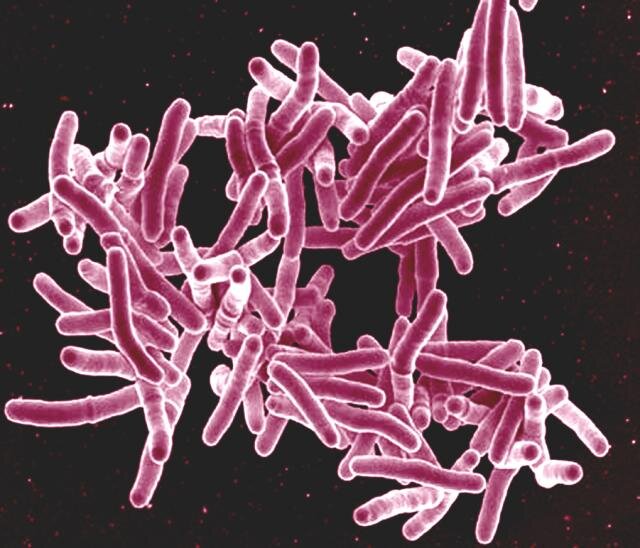
Tuberculosis, caused by the bacterium Mycobacterium tuberculosis, primarily attacks the lungs and spreads through airborne droplets. According to the World Health Organization (WHO), India accounts for roughly a quarter of the global TB burden. While modern Directly Observed Therapy (DOTS) regimes offer high cure rates, the primary bottleneck in elimination remains the diagnostic delay—the time window between symptom onset and initial medical evaluation.
“Clinical infrastructure alone cannot eradicate airborne diseases like tuberculosis,” explains Dr. Arishem Kumar, an independent public health analyst and epidemiologist not affiliated with the state campaign. “Patients frequently delay clinic visits for months out of fear of isolation or job loss. When a trusted neighbor or local community leader validates their experience and guides them to care, that diagnostic delay shrinks from months to days.”
| Metric / Aspect | Traditional Clinical Model | Community-Led Model (Kudumbashree) |
| Primary Approach | Passive (waits for patients to visit hospitals) | Active (brings screening to household doorsteps) |
| Reach | Limited to health facilities and clinics | Covers over 4.5 million households across Kerala |
| Stigma Mitigation | Minimal; consultations remain institutional | High; normalizes health conversations in local groups |
| Support System | Focused predominantly on pharmacological prescriptions | Combines medication with nutritional and social aid |
Established in 1998, Kudumbashree boasts a membership of over 4.5 million women. Its deep penetration into daily community life allows the health department to reach populations that traditional health drives often miss.
When to Seek Medical Attention
For the general public, health authorities emphasize that recognizing the classic presentation of tuberculosis is the first line of defense.
If you or a family member experience any of the following symptoms for more than two weeks, seek evaluation at a primary health centre:
-
Persistent cough (with or without sputum/blood)
-
Low-grade fever, particularly in the late afternoon or evening
-
Unexplained weight loss and loss of appetite
-
Profuse night sweats and chronic fatigue
Testing for tuberculosis—typically conducted via sputum smear microscopy or rapid molecular tests (such as CBNAAT/TruNat)—is free of charge across government health facilities in India, as is the full course of anti-tubercular therapy (ATT).
Limitations and Public Health Challenges
While public health experts broadly praise Kerala’s integrative model, they caution against viewing social mobilization as a total solution.
-
Systemic Health Capacity: An influx of early case detections requires that local primary health centers maintain adequate supplies of molecular diagnostic kits, reagents, and uninterrupted drug pipelines. Increased testing demand without proportional laboratory scaling can create clinical backlogs.
-
Burnout Among Community Workers: Kudumbashree members often shoulder multiple grassroots tasks, from poverty alleviation to waste management. Overburdening volunteer networks without adequate financial and structural incentives can lead to volunteer fatigue over long-term campaigns.
-
Complex Drug Resistance: Community screening excels at identifying drug-sensitive TB, but managing Multidrug-Resistant TB (MDR-TB) requires advanced clinical management, specialized tertiary care, and rigorous side-effect monitoring that exceeds the scope of community awareness drives.
A Model for Global Health
Kerala’s decision to position a women’s self-help network at the core of its public health mission highlights a growing consensus in global medicine: medical breakthroughs require social pathways to succeed. If the 100-day drive proves effective in raising detection rates and destigmatizing care, Kerala’s model could serve as a blueprint for other high-burden regions seeking sustainable, community-anchored disease elimination.
References
-
Study / Official Citation: State TB Cell, Directorate of Health Services, Government of Kerala. State Level TB Elimination Guidelines & NTEP Annual Report. Kerala Health Portal.
-
Media & Institutional Source: Press Trust of India / IANS Reporting. “Kerala: Kudumbashree joins TB-free mission.” Published July 24, 2026.
Medical Disclaimer: This article is for informational purposes only and should not be considered medical advice. Always consult with qualified healthcare professionals before making any health-related decisions or changes to your treatment plan. The information presented here is based on current research and expert opinions, which may evolve as new evidence emerges.