 0
0
 0
0
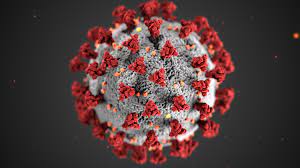
HYDERABAD, Telangana — State health authorities issued a public clarification regarding the recent upward movement in COVID-19 cases across Telangana, categorizing the cluster of infections as a minor, seasonal fluctuation rather than the herald of a severe pandemic wave. Following active disease surveillance in coordination with national scientific agencies, officials confirmed on July 24, 2026, that no new Variant of Concern (VoC) has been identified, and hospitalization rates remain exceptionally low.
While public health agencies aim to mitigate unnecessary public panic, medical experts emphasize that a “seasonal” classification does not eliminate personal risk—particularly for vulnerable populations including older adults, pregnant individuals, and people managing chronic health conditions.
State Health Department Reassures Public Amid Minor Uptick
Addressing growing public queries, the Telangana Health Department highlighted that the current epidemiological profile closely mimics the temporal infection bumps observed during the same period in previous years. Data reviewed in tandem with the Union Health Ministry, the Integrated Disease Surveillance Programme (IDSP), and the Indian Council of Medical Research (ICMR) reveals no evidence of increased clinical severity or unusual disease transmission dynamics.
Dr. B. Ravinder Nayak, Director of Public Health (DPH) for Telangana, reassured residents that the healthcare infrastructure remains well-prepared and that the situation is entirely under control.
“The recent rise in cases is minor, manageable, and within expected parameters for this time of year,” Dr. Nayak stated. “Hospital admissions remain minimal, and the vast majority of cases exhibit mild, self-limiting upper respiratory symptoms. We urge the public not to panic, but to maintain sensible health habits.”
The official stance reinforces earlier health updates from the state, which affirmed that the circulating viral strains are causing low morbidity without requiring emergency public health interventions or structural restrictions.
Understanding the “Seasonal” Pattern: Flu-Like, but Unpredictable
Labeling SARS-CoV-2 infection trends as “seasonal” offers helpful epidemiological context, yet infectious disease experts caution that the virus has not yet settled into the rigid, predictable rhythms of the seasonal influenza virus (Influenza A and B).
Unlike classical seasonal flu, which peaks almost exclusively during specific winter or monsoon months, COVID-19 continues to produce irregular, small-scale infection waves throughout the year in India. These fluctuations are often triggered by a complex mix of factors:
-
Environmental shifts: Changing weather patterns and rainfall forcing communities indoors.
-
Indoor crowding: Increased close contact in closed environments with variable ventilation.
-
Waning immunity: Natural decline in antibody levels months after prior infection or vaccination.
-
Sub-variant drift: Minor genetic shifts that allow the virus to temporarily evade neutralising antibodies without increasing clinical disease severity.
“Calling an infection seasonal means it ebbs and flows alongside environmental and social shifts,” explains an independent epidemiological researcher not affiliated with the government report. “However, seasonal does not equate to benign. Even a mild bump in overall community transmission can lead to serious health complications if the virus reaches medically vulnerable individuals.”
India’s Shift Toward Targeted Public Health Surveillance
The updates from Telangana mirror a broader nationwide strategy adopted by India’s Ministry of Health and Family Welfare. Rather than resorting to broad, population-level lock-downs or fear-driven mandates, public health responses now center on targeted genomic surveillance and vulnerable-group protection.
Through continuous viral sequencing led by genomic consortiums like INSACOG, health agencies monitor clinical samples to detect potential mutations before they disrupt public health. Current data indicates that variants circulating across southern India remain sub-lineages of Omicron, which generally exhibit high transmissibility but low intrinsic virulence in populations with high hybrid immunity (combined immunity from vaccination and past exposure).
| Public Health Strategy | Historical Pandemic Approach | Current Endemic/Seasonal Approach |
| Primary Focus | Mass containment & movement restriction | Sentinel genomic surveillance & early clinical care |
| Testing Protocol | Universal population-wide screening | Targeted symptomatic testing for high-risk patients |
| Public Guidance | Emergency mandates & closures | Individual risk assessment & basic hygiene awareness |
| Hospital Readiness | Surge capacity emergency building | Routine monitoring of ICU and oxygen bed occupancy |
Practical Guidance: What Steps Should You Take?
For the vast majority of healthy adults and children, the current increase in cases requires simple personal hygiene adjustments rather than lifestyle disruption. Public health officials recommend adhering to foundational respiratory protocols:
-
Practice Respiratory Hygiene: Stay home and rest if you develop fever, sore throat, cough, or runny nose to prevent spreading common respiratory illnesses to coworkers or classmates.
-
Wear Masks in Crowded Spaces: Consider wearing a well-fitted mask (such as an N95 or surgical mask) when spending extended time in poorly ventilated indoor public spaces, especially if local viral activity is rising.
-
Optimize Indoor Ventilation: Keep windows open where feasible or utilize air filtration systems to minimize indoor aerosol concentration.
-
Seek Timely Medical Advice: Consult a primary care physician early if high fever persists or if you experience warning signs like shortness of breath, chest pressure, or severe fatigue.
High-Risk Groups Require Extra Vigilance
Doctors emphasize that high-risk individuals should take proactive safety measures during infection bumps:
-
Older adults (aged 60 and above)
-
Individuals with comorbidities (hypertension, diabetes, chronic kidney disease, or cardiovascular conditions)
-
Immunocompromised patients (undergoing cancer treatment or organ transplant recipients)
-
Pregnant women
For these groups, early diagnostic testing upon symptom onset is crucial, as it enables clinicians to prescribe appropriate supportive care or antiviral therapies within the optimal clinical window.
Limitations of Current Data and Looking Ahead
While the official health statements provide reassuring guidance, health journalists and policy experts note inherent limitations in routine surveillance data.
Because widespread population testing has significantly decreased compared to early pandemic years, official case counts reflect only a fraction of total viral transmission, relying heavily on hospital-based reporting and voluntary diagnostic testing. Consequently, subtle shifts in viral dynamics require ongoing vigilance. A mild, unmonitored surge can still create localized strain on intensive care units if cases cluster heavily within nursing facilities or specialized care wards.
Nevertheless, current multi-institutional data confirms that Telangana’s healthcare system is operating well within its capacity. By pairing official epidemiological monitoring with personal responsibility, health authorities are confident the state can manage seasonal COVID-19 fluctuations safely and effectively.
References
-
The Hindu. “No cause for concern as current COVID-19 rise is seasonal, says Telangana health department.” Published July 24, 2026.
Medical Disclaimer: This article is for informational purposes only and should not be considered medical advice. Always consult with qualified healthcare professionals before making any health-related decisions or changes to your treatment plan. The information presented here is based on current research and expert opinions, which may evolve as new evidence emerges.