 0
0
 0
0
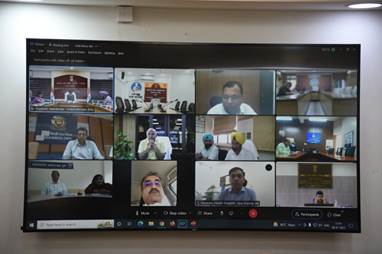
NEW DELHI — In a comprehensive update presented to Parliament, the Union Ministry of Women and Child Development (MWCD) outlined the progress of Mission Saksham Anganwadi and Poshan 2.0, India’s flagship program designed to tackle child malnutrition among children aged 0–6 years, pregnant women, lactating mothers, and adolescent girls. Highlighted in Lok Sabha by Minister of State Smt. Savitri Thakur, the initiative integrates revised dietary norms, real-time digital surveillance through the Poshan Tracker, and a landmark clinical-community health management protocol developed alongside the Ministry of Health and Family Welfare (MoHFW).
The unified framework marks a structural shift in India’s public health strategy: moving away from calorie-heavy food distribution toward micronutrient-dense dietary diversity, digital accountability, and early community-based detection of severe malnutrition.
Rethinking Supplementary Nutrition: Quality Over Caloric Quantity
Under Mission Poshan 2.0—which subsumes Anganwadi Services, Poshan Abhiyaan, and targeted Adolescent Girl schemes—supplementary nutrition standards were fundamentally restructured to align with updated dietary guidelines. Historic interventions primarily focused on meeting basic energy thresholds, often relying heavily on cereal-based meals. The revised standards, instituted under Schedule-II of the National Food Security Act (NFSA), shift the emphasis to dietary diversity.
Rather than tracking calorie counts alone, the upgraded daily rations prioritize high-biological-value protein, essential healthy fatty acids, and key micronutrients, including:
-
Bone and Cellular Health: Calcium and Zinc
-
Hematological Support: Iron and Dietary Folate
-
Neurological & Immune Function: Vitamin A, Vitamin B6, and Vitamin B12
For children diagnosed with Severe Acute Malnutrition (SAM), the program mandates extra supplementary nutrition delivered as fortified Take-Home Ration (THR) formulations tailored to accelerate recovery without requiring immediate hospitalization unless medical complications arise.
“Malnutrition is rarely just a shortage of total food; it is far more frequently a shortage of critical micronutrients required for cellular growth and immune maturation,” explains Dr. Sunita Rao, a senior pediatric endocrinologist and public health consultant not involved in the government report. “Transitioning from simple caloric targets to micronutrient density and quality protein directly addresses the root metabolic drivers of stunting and cognitive impairment.”
Real-Time Governance: The Poshan Tracker Ecosystem
A core component of Poshan 2.0 is the Poshan Tracker application, launched as a governance and surveillance tool for monitoring Anganwadi Centers (AWCs) across all States and Union Territories.
By digitizing daily workflows for Anganwadi Workers (AWWs), the mobile ecosystem moves record-keeping from paper registers to near-real-time digital dashboards. Key metrics tracked daily include:
-
Operational Status: Opening times and location check-ins of AWCs.
-
Child Attendance & Early Childhood Care: Attendance logs and Early Childhood Care and Education (ECCE) session delivery.
-
Growth Monitoring: Real-time plotting of height-for-age (stunting), weight-for-height (wasting), and weight-for-age (underweight).
-
Ration Distribution: Automated tracking of Hot Cooked Meals (HCM) and Take-Home Ration (THR) dispatches.
To eliminate leakage and ensure target fulfillment, the ministry integrated a Facial Recognition System (FRS) into the application. FRS authenticates beneficiaries during Take-Home Ration collection, verifying that specialized nutritional supplements reach registered individuals.
+-------------------------------------------------------------------------------+
|                       MISSION POSHAN 2.0 ARCHITECTURE                         |
+-------------------------------------------------------------------------------+
|  Target Beneficiaries: Children (0-6 yrs), Pregnant/Lactating Women, Girls   |
+---------------------------------------+---------------------------------------+
                                        |
      +---------------------------------+---------------------------------+
      |                                                                   |
      v                                                                   v
+----------------------------------+                   +----------------------------------+
|      DIET & NUTRITION REFORM     |                   |    DIGITAL GOVERNANCE PLATFORM   |
+----------------------------------+                   +----------------------------------+
| • Quality Protein & Healthy Fats |                   | • Near Real-Time Growth Metrics  |
| • Essential Micronutrients       |                   | • Facial Recognition System (FRS)|
| • Extra THR for SAM Cases        |                   | • Public Dashboard Transparency  |
+----------------------------------+                   +----------------------------------+
      |                                                                   |
      +---------------------------------+---------------------------------+
                                        |
                                        v
+-------------------------------------------------------------------------------+
|            JOINT MWCD-MoHFW COMMUNITY PROTOCOL FOR SAM/MAM CARE               |
+-------------------------------------------------------------------------------+
Integrated Management: The Joint Malnutrition Protocol
To bridge the gap between community-level screening and clinical medical care, the MWCD and MoHFW jointly released the standardized Protocol for Management of Malnutrition in Children.
Severe Acute Malnutrition historically carried high pediatric mortality rates when complicated by systemic infections or metabolic derangements. The joint protocol establishes a triage and treatment pathway:
1. Community Screening & Triage
Anganwadi workers and Accredited Social Health Activists (ASHAs) screen children during routine growth monitoring using Mid-Upper Arm Circumference (MUAC) tapes, weight-for-height z-scores, and physical assessments for bilateral edema.
2. Uncomplicated SAM & MAM Management
Children exhibiting severe wasting (SAM) or moderate wasting (MAM) without acute clinical complications (such as fever, severe anemia, persistent diarrhea, or lack of appetite) are managed within their homes and local communities. Management combines energy-dense, locally sourced therapeutic foods, targeted micronutrient supplementation, regular monitoring, and counseling on Infant and Young Child Feeding (IYCF) practices.
3. Complicated SAM Referral
Children who fail the standard appetite test or present with severe infection are promptly referred to Nutrition Rehabilitation Centers (NRCs) situated within public healthcare facilities for specialized clinical stabilization, therapeutic feeding, and medical care.
Public Health Implications, Ground Challenges, and Limitations
Public health experts broadly endorse the integrated framework, particularly its emphasis on community-level management of uncomplicated SAM. By treating stable children at home using local foods and supervised THR, health systems reserve tertiary bed capacity for severe medical emergencies, significantly lowering hospital-acquired infection risks for malnourished pediatric patients.
However, independent health policy researchers emphasize several operational hurdles that must be systematically addressed for the policy to achieve its target outcomes:
-
Digital Divide & Network Accessibility: In remote tribal belts and rural regions, erratic cellular connectivity can impede real-time Poshan Tracker syncs, occasionally creating administrative delays.
-
Frontline Capacity: Anganwadi workers manage heavy administrative loads. Ensuring adequate training, fair compensation, and digital literacy support remains essential to prevent burnout.
-
Socio-Economic Determinants: While supplementary rations improve dietary intake, malnutrition is inextricably linked to maternal education, sanitation, clean drinking water access, and household food security. Integrated inter-departmental action across water, sanitation, and rural development sectors remains vital.
                              KEY PROGRAM HIGHLIGHTS
┌───────────────────────────┬────────────────────────────────────────────────────────┐
│ Policy Attribute          │ Operational Mechanism                                  │
├───────────────────────────┼────────────────────────────────────────────────────────┤
│ Target Demographic        │ Children (0-6 years), Pregnant/Lactating Women,        │
│                           │ Adolescent Girls (14-18 years in select regions)       │
├───────────────────────────┼────────────────────────────────────────────────────────┤
│ Nutrition Focus           │ Micronutrient density (Fe, Zn, Ca, Vit A/B), protein   │
├───────────────────────────┼────────────────────────────────────────────────────────┤
│ Monitoring Tech           │ Poshan Tracker App with Facial Recognition (FRS)       │
├───────────────────────────┼────────────────────────────────────────────────────────┤
│ Clinical Protocol         │ Joint MWCD-MoHFW Community SAM/MAM Triage Model        │
└───────────────────────────┴────────────────────────────────────────────────────────┘
What This Means for Families and Caregivers
For parents and caregivers, Mission Poshan 2.0 changes how growth, health, and local support intersect:
-
Regular Growth Screenings: Parents should ensure children under 6 years attend their local Anganwadi Center monthly for height and weight measurements logged on the Poshan Tracker.
-
Dietary Diversity at Home: Supplementary rations provided under the scheme are intended to complement, rather than replace, family meals rich in vegetables, legumes, dairy, and whole grains.
-
Early Intervention: If a child shows reduced appetite, faltering weight, or frequent illness, community screening allows immediate access to specialized THR or medical referral before severe complications develop.
References
-
Ministry of Women and Child Development (MWCD). (2026, July 24). Mission Saksham Anganwadi and Poshan 2.0 Implementation Update. Press Information Bureau (PIB), New Delhi.
-
National Food Security Act (NFSA). (2013). Schedule-II: Nutritional Standards for Supplementary Nutrition. Ministry of Consumer Affairs, Food and Public Distribution, Government of India.
-
World Health Organization & UNICEF. (2023). Community-Based Management of Severe Acute Malnutrition: Operational Guidance for Health Systems. WHO Guidelines Approved by the Guidelines Review Committee.
-
Indian Council of Medical Research – National Institute of Nutrition (ICMR-NIN). (2024). Nutrient Requirements and Dietary Guidelines for Indians. ICMR-NIN Press, Hyderabad.
-
Ministry of Health and Family Welfare (MoHFW) & MWCD. (2023). Joint Protocol for Management of Malnutrition in Children. Government of India.
Medical Disclaimer: This article is for informational purposes only and should not be considered medical advice. Always consult with qualified healthcare professionals before making any health-related decisions or changes to your treatment plan. The information presented here is based on current research and expert opinions, which may evolve as new evidence emerges.