 0
0
 0
0
COPENHAGEN — As Europe enters the height of summer, public health authorities are issuing fresh warnings regarding vector-borne illnesses. The World Health Organization’s Regional Office for Europe (WHO Europe) released an urgent epidemiological update cautioning that West Nile virus (WNV) infections are surging across multiple southern and southeastern European nations. With the peak transmission window—traditionally spanning July through September—now underway, health officials are calling on clinicians, travelers, and local communities to implement rigorous preventative measures against mosquito bites.
While the agency emphasizes that the overall risk to the general public remains low, the rapid influx of locally acquired cases—particularly those involving severe neurological complications—has placed health systems across the continent on high alert.
Escalating Regional Case Counts
According to public health data released in mid-July 2026, several southern European nations have reported early spikes in locally acquired infections, indicating active viral circulation in local mosquito populations.
-
Greece: National public health agencies confirmed 21 human cases by July 22, with a striking 14 cases recorded within a single week. Alarmingly, 20 of these individuals developed neuroinvasive disease—a severe clinical manifestation affecting the central nervous system, such as encephalitis (inflammation of the brain) or meningitis (inflammation of the membranes surrounding the brain and spinal cord).
-
Italy: Italian health authorities have logged the most geographically widespread transmission, identifying 21 confirmed human cases across 17 distinct administrative districts as of July 15.
-
Wider Transmission: Locally acquired cases have also been officially verified in North Macedonia, Romania, and Spain, confirming that viral activity is established across broad clusters of Southern and Southeastern Europe.
Transmission Dynamics: How the Virus Spreads
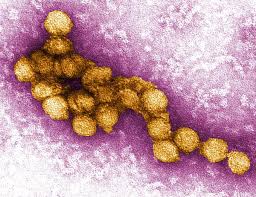
West Nile virus is a single-stranded RNA virus belonging to the genus Flavivirus (the same family responsible for Dengue, Yellow Fever, and Zika). Understanding its transmission cycle is essential for effective personal protection.
The Transmission Cycle:
West Nile virus relies on an avian-mosquito transmission cycle. Wild birds serve as the primary reservoir hosts, maintaining high levels of the virus in their bloodstream. Mosquitoes—predominantly belonging to the Culex species—become infected after feeding on these viremic birds. When an infected mosquito subsequently bites a human or other mammal, it transfers the virus.
Humans and other mammals (such as horses) are considered “dead-end hosts.” This means that while humans can fall ill, they do not develop high enough levels of the virus in their blood to pass it back to biting mosquitoes. Consequently, West Nile virus cannot spread through casual human-to-human contact such as touching, kissing, or breathing the same air.
While extremely rare, secondary routes of transmission have been documented through blood transfusions, organ transplantations, transplacental transmission (mother to fetus), and breast milk. Modern blood banking practices in Europe routinely screen blood donations in affected regions during peak season to mitigate these risks.
Spectrum of Symptoms: From Asymptomatic to Severe
For the vast majority of individuals, a West Nile virus infection passes unnoticed. Epidemiology data indicates that approximately 70% to 80% of infected individuals remain entirely asymptomatic.
[Infected Population (100%)]
   ├── 75-80%: Completely Asymptomatic
   ├── 20-25%: Mild West Nile Fever (Fever, rash, fatigue, body aches)
   └── ~0.7% (1 in 150): Severe Neuroinvasive Disease (Encephalitis, Meningitis)
Mild Illness (West Nile Fever)
Roughly 20% to 25% of infected individuals develop a flu-like illness known as West Nile fever. Symptoms typically emerge 2 to 14 days following an infectious mosquito bite and include:
-
Low-to-moderate fever and headaches
-
Generalized body aches and joint pain
-
Persistent fatigue or malaise
-
Nausea, vomiting, or abdominal distress
-
Transient skin rash (typically on the trunk) and swollen lymph glands
Severe Manifestations (Neuroinvasive Disease)
Fewer than 1 in 150 infected individuals (roughly 0.7%) develop neuroinvasive disease. This condition occurs when the virus crosses the blood-brain barrier, leading to critical neurological damage. Symptoms of neuroinvasive illness include high fever, severe neck stiffness, altered mental status, confusion, tremors, convulsions, acute flaccid paralysis (muscle weakness mimicking polio), or coma.
Public health experts stress that individuals who experience fever accompanied by neurological signs after traveling to or living in an affected area should seek emergency medical evaluation immediately.
Environmental Drivers and Climate Context
In a public statement, WHO Regional Director for Europe Dr. Hans Henri P. Kluge underscored that while West Nile virus is not a novel pathogen in Europe, environmental conditions facilitating its spread are shifting rapidly.
“Higher ambient temperatures and extended summer seasons provide vector populations with more time and geographical space to thrive and transmit the virus,” Dr. Kluge noted.
Warmer temperatures accelerate both the reproduction rate of Culex mosquitoes and the viral replication rate inside the insect (the extrinsic incubation period). Combined with altered rainfall patterns that create stagnant water pockets, climate trends are effectively lengthening Europe’s vector transmission window.
Extended Heatwaves & Changing Rainfall Patterns
                   │
                   ▼
Increased Vector Reproduction & Accelerated Viral Replication
                   │
                   ▼
Longer Transmission Season & Broader Geographical Spread
Practical Prevention: Essential Defense Measures
Because there is currently no licensed human vaccine and no specific antiviral medication available for West Nile virus, treatment relies entirely on supportive clinical care—such as intravenous fluids, pain management, and respiratory support for severe cases. Prevention remains the primary line of defense.
Public health organizations recommend a dual-pronged approach: personal protection and environmental source reduction.
1. Personal Protection Measures
-
Insect Repellent: Apply EPA- or ECDC-approved insect repellents containing active ingredients such as DEET, Picaridin (KBR 3023), or Oil of Lemon Eucalyptus (OLE) to exposed skin and clothing.
-
Protective Clothing: Wear loose-fitting, light-colored, long-sleeved shirts and full-length trousers. Mosquitoes are naturally attracted to dark colors and can bite through thin, tight clothing.
-
Avoid Peak Activity Hours: Limit outdoor exposure during dawn and dusk, when Culex mosquitoes are most actively feeding.
-
Physical Barriers: Ensure window and door screens are intact and free of tears. Utilize air conditioning or bed nets treated with insecticide when sleeping in non-screened accommodations.
2. Eliminating Mosquito Breeding Sites
Mosquitoes require standing water to lay eggs, with larvae hatching in as little as a few days. Routine household maintenance significantly reduces local vector populations:
-
Empty and Scrub: Empty, scrub, turn over, or cover containers that hold water—such as flowerpots, buckets, birdbaths, pet dishes, and rain barrels—at least once a week.
-
Clear Drainage: Ensure gutters, outdoor drains, and flat roofs are free of debris to prevent water stagnation.
-
Dispose of Unused Items: Properly dispose of old tires, discarded containers, or plastic sheeting where rainwater can collect.
Public Health System Implications and Limitations
The ongoing rise in West Nile virus cases presents a multi-faceted challenge for European healthcare systems. Beyond immediate clinical care, public health networks must maintain robust vector surveillance (testing mosquito pools and wild bird populations) alongside blood donor safety protocols.
However, epidemiological experts note clear limitations in interpreting current case counts:
-
Surveillance Snapshot: The WHO alert represents an ongoing epidemiological update rather than a definitive clinical study.
-
Underreporting: Because up to 80% of infections are asymptomatic or mild, reported case numbers represent only a fraction of total viral transmission, heavily favoring the detection of severe neuroinvasive cases admitted to hospitals.
-
Reporting Delays: Case counts fluctuate dynamically as regional laboratories verify samples, meaning published data reflects a moving baseline rather than a final annual tally.
Despite these surveillance challenges, experts agree that early-season spikes justify decisive public awareness campaigns. By taking simple, consistent steps to prevent mosquito bites and clear standing water, communities can substantially lower their risk of infection throughout the summer months.
References
-
World Health Organization Regional Office for Europe. “West Nile virus: as cases rise across parts of Europe, here is what you need to know.” Published July 23, 2026.
Medical Disclaimer: This article is for informational purposes only and should not be considered medical advice. Always consult with qualified healthcare professionals before making any health-related decisions or changes to your treatment plan. The information presented here is based on current research and expert opinions, which may evolve as new evidence emerges.