 0
0
 0
0
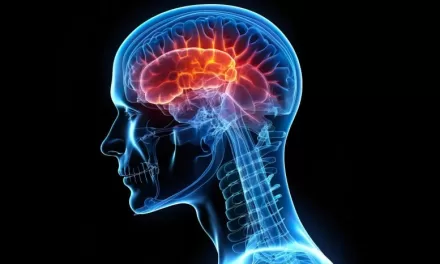
WASHINGTON — In one of the most comprehensive regional assessments of brain health to date, a landmark study backed by the Pan American Health Organization (PAHO) reveals that approximately two in five people—or roughly 40% of the population across the Americas—are currently living with a neurological disorder.
Published on July 21, 2026, the report paints a stark picture of a growing public health crisis driven by rapid demographic aging, rising rates of chronic conditions, and widespread structural inequities in healthcare access. Neurological disorders—a broad category encompassing stroke, dementia, epilepsy, migraine, and Parkinson’s disease—are now among the leading drivers of long-term disability and premature death in the Western Hemisphere.
The Rising Burden: What the Numbers Show
According to PAHO’s regional analysis, neurological conditions accounted for 533,172 deaths in the Americas in 2019 alone, alongside an estimated 7.5 million years of life lost to premature mortality and disability.
The report highlights that the true scope of brain conditions extends far beyond high-profile neurodegenerative diseases:
-
Stroke and Dementia: Remain the primary contributors to neurological mortality and long-term care needs among older adults.
-
Migraine and Epilepsy: Cause significant, chronic disability across younger and working-age populations, frequently impairing employment and daily function.
-
Parkinson’s Disease: Continues to surge as life expectancy rises.
These findings align with recent independent research. A comprehensive 2024 meta-analysis published in Movement Disorders, which pooled data from nearly 4 million participants across Latin America, estimated the regional prevalence of Parkinson’s disease at 472 cases per 100,000 people. The rate spiked dramatically among adults aged 60 and older, pointing to a sharp trajectory as regional demographics continue to shift.
A Demographic Shift Meets a Care Gap
The underlying drivers of this surge reflect a double-edged sword of modern public health: populations across North, Central, and South America are living longer, but they are surviving acute illnesses only to face years of complex, age-related chronic conditions.
At the same time, classic cardiovascular risk factors—including high blood pressure, diabetes, smoking, and physical inactivity—remain pervasive. These same factors damage the body’s vascular system and directly increase the risk of stroke and vascular dementia.
“What we are witnessing across the Americas is a profound shift toward chronic disability,” said Dr. Elena Rostova, a public health neurologist and researcher at the Global Brain Health Institute, who was not involved in the PAHO report. “More people are surviving heart attacks and early-life conditions, but our health systems have not evolved to manage the complex, long-term neurological needs that follow.”
Key Systemic Challenges in the Region:
• Severe shortages of trained neurologists and specialized nurses
• Uneven access to essential diagnostic tools (MRI, CT scans)
• Fragmented community-based rehabilitation programs
• High rates of underdiagnosis and delayed clinical intervention
In many parts of Latin America and the Caribbean, underdiagnosis remains a silent crisis. Individuals experiencing early symptoms of cognitive decline or movement impairment often face months or years of delayed care due to lack of specialists and primary care screening tools.
Public Health Implications and Expert Perspectives
Neurological disorders do not simply impact the individual; they impose an immense physical, emotional, and economic strain on family caregivers and community infrastructure. Unlike acute illnesses that require short-term intervention, conditions like Alzheimer’s or post-stroke paralysis require decades of continuous medication, specialized rehabilitation, and daily living support.
Independent health policy experts emphasize that brain health can no longer be treated as a specialized, niche field reserved for high-income facilities. Instead, it must be integrated into primary noncommunicable disease (NCD) prevention strategies.
“When we talk about chronic disease prevention, we usually talk about heart disease and diabetes,” noted Dr. Rostova. “We need to recognize that stroke prevention is heart health, and controlling hypertension is dementia prevention. Integrating brain health into routine community clinics is the only sustainable path forward.”
Furthermore, researchers behind the 2024 Latin American Parkinson’s meta-analysis caution that current statistics may still underestimate the problem. Variations in diagnostic methodologies and case-finding across different countries suggest that as diagnostic access improves, the reported numbers of affected individuals will likely climb even higher.
Study Limitations and Cautions
While the PAHO study provides vital regional insights, health authorities note inherent limitations in burden-of-disease modeling:
-
Data Disparities: The reliability of regional estimates depends heavily on the quality of local health registries, which vary widely between urban centers and rural or under-resourced regions.
-
Hidden Strain: Broad prevalence figures often struggle to quantify the full socio-economic impact, such as informal caregiver burnout, lost economic productivity, and secondary mental health struggles like depression and anxiety.
Epidemiologists also caution against viewing the findings with fatalism. A significant portion of neurological disability—particularly stroke and secondary cognitive decline—is preventable or manageable through early lifestyle modifications, blood pressure control, prompt emergency care, and timely rehabilitation.
What This Means for Patients and Families
For everyday readers and health-conscious consumers, the findings reinforce a crucial message: neurological health concerns should never be dismissed as normal signs of aging or inevitable decline.
Key Warning Signs to Watch
Healthcare providers recommend seeking prompt medical evaluation if you or a loved one experience:
-
Sudden weakness, numbness, or facial drooping (indicative of potential stroke).
-
Unexplained difficulty speaking, understanding language, or sudden vision changes.
-
Progressive memory loss that disrupts daily routine and independent tasks.
-
Recurrent seizures, loss of consciousness, or persistent, severe headaches.
-
Unexplained tremors, stiffness, or changes in gait and balance.
While structural healthcare reform will take time, individuals can take proactive steps to protect brain health by managing cardiovascular numbers, staying physically and socially active, protecting against head injury, and prioritizing sleep.
For clinicians and health systems, the PAHO report serves as a definitive call to action to prioritize early screening, streamline referral networks, and treat brain health as an imperative of population health.
References
-
Pan American Health Organization (PAHO). “Two in five people in the Americas live with a neurological disorder, new study finds.” Published July 21, 2026.
Medical Disclaimer: This article is for informational purposes only and should not be considered medical advice. Always consult with qualified healthcare professionals before making any health-related decisions or changes to your treatment plan. The information presented here is based on current research and expert opinions, which may evolve as new evidence emerges.