 0
0
 0
0
KINSHASA, Democratic Republic of Congo — The deadly Ebola virus outbreak in the eastern Democratic Republic of Congo (DRC) has crossed a grim milestone, claiming more than 1,000 lives as health officials warn that persistent armed conflict, targeted clinic attacks, and severe resource shortages are crippling containment efforts. Latest data released by Congo’s public health institute and confirmed by the Africa Centres for Disease Control and Prevention (Africa CDC) indicates that the rapid wave of transmission has already spilled over international borders into neighboring Uganda. Epidemiologists caution that widespread civil unrest and regional insecurity risk transforming what should be a manageable medical emergency into a prolonged regional health crisis.
Escalating Numbers: A Swift and Deadly Trajectory
Official health tallies reflect an unusually fast-moving trajectory since the outbreak was first formally declared in mid-May. Epidemiological reports from Congo’s public health ministry have recorded 2,536 confirmed cases and 1,033 deaths within the country, alongside confirmed fatal cases in neighboring Uganda.
What concerns global health analysts most is the sheer velocity of the spread. Comparative public health tracking reveals that the current outbreak reached the 1,000-death mark at a significantly faster rate than the historic West African epidemic of 2013–2016, which eventually resulted in more than 11,000 casualties across several years.
“The rapid accumulation of cases signals an urgent need for sustained international support,” stated Dr. Jean Kaseya, Director-General of the Africa CDC. “Containment requires rapid response infrastructure, but medical intervention alone cannot succeed when security conditions continuously deteriorate.”
Frontline Crisis: Why Containment Is Failing
Standard public health protocol for controlling an Ebola virus disease outbreak relies on a interconnected four-part strategy:
-
Rapid Case Identification: Diagnosing infected individuals within hours of symptom onset.
-
Contact Tracing: Identifying, monitoring, and isolating anyone exposed to known cases for 21 days.
-
Safe and Dignified Burials: Preventing transmission from highly infectious deceased bodies.
-
Community Trust & Engagement: Partnering with local leaders to encourage early medical presentation.
In eastern Congo, however, armed militant conflict has disrupted every stage of this intervention chain. Health centers have suffered physical raids, medical transport ambulances face road blockades, and frontline personnel frequently operate under threat of violence.
The Impact of Disrupted Care
Severe logistics bottlenecks have created chronic shortages of personal protective equipment (PPE), rapid diagnostic test kits, and supportive therapies. When violence forces mobile health units to suspend operations, contact tracing drops dramatically. Unmonitored chains of transmission quickly multiply in rural communities before teams can safely return.
Public Health Dynamics: Transmission vs. Perception
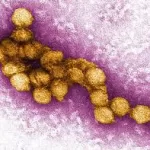
Ebola is a severe, often fatal filovirus causing viral hemorrhagic fever (a severe multi-system illness where damaged blood vessels leak fluid). While its high fatality rate creates widespread fear, understanding its mechanism of transmission highlights both its vulnerability and the danger of response breakdowns.
[Infected Individual]
         │
         ├── direct contact (blood, saliva, vomit, sweat) ──► [New Infection]
         │
         └── casual proximity / airborne breathing ────────► [NO Transmission]
Unlike airborne pathogens such as influenza or SARS-CoV-2, Ebola cannot spread through casual air contact. It transfers exclusively through direct contact with infected bodily fluids or contaminated surfaces.
Because transmission requires close physical contact, standard infection control protocols can completely stop an outbreak. Conversely, even minor disruptions in PPE supply chains or community trust—such as families hiding sick relatives due to fear of armed raids at clinics—allow the virus to propagate unchecked.
Broader Systemic Consequences & Limitations
The intersection of epidemic disease and armed conflict extends far beyond direct viral mortality. Health policy analysts writing in STAT emphasize that infectious disease emergencies in active conflict zones trigger severe secondary public health damage:
-
Routine Healthcare Collapse: Maternal health services, childhood immunizations, and malaria control programs suffer severe disruptions as medical facilities close or pivot entirely to outbreak emergency response.
-
Elevated Community Vulnerability: School closures and movement restrictions increase social instability and heighten security risks for women and children.
-
Underreported Metrics: Public health experts stress that official counts of 2,536 cases likely understate the true burden. Ongoing conflict makes vast geographic areas unreachable for surveillance teams, leaving uncounted cases and deaths in remote villages.
Guidelines for the Public and Travelers
For international travelers, humanitarian personnel, and residents near border regions, health authorities emphasize adherence to established biosafety protocols rather than panic.
| Key Action Area | Recommended Public Health Guideline |
| Hygiene Protocols | Wash hands frequently with soap and water or alcohol-based sanitizer; avoid touching eyes, nose, or mouth. |
| Contact Avoidance | Strictly avoid contact with blood, body fluids, or materials handled by an infected individual. |
| Burial Practices | Do not participate in traditional washing or funeral rites involving direct contact with the deceased in outbreak zones. |
| Symptom Monitoring | Watch for sudden fever, severe headache, muscle pain, vomiting, or unexplained bleeding after potential exposure; seek immediate isolated medical attention. |
Outbreak containment ultimately rests as much on logistics, civil stability, and community trust as it does on modern medical science. Without safe, reliable access for healthcare responders, even effective vaccines and therapeutics cannot alter the course of an outbreak.
References
-
Reuters Health News. (2026, July 22). Democratic Republic of Congo reports Ebola outbreak expansion to 2,473 cases and 999 deaths.
-
The Associated Press / The Star. (2026, July 23). Ebola death toll passes 1,000 in eastern Congo amid escalating insecurity and supply shortages.
Medical Disclaimer: This article is for informational purposes only and should not be considered medical advice. Always consult with qualified healthcare professionals before making any health-related decisions or changes to your treatment plan. The information presented here is based on current research and expert opinions, which may evolve as new evidence emerges.