 0
0
 0
0
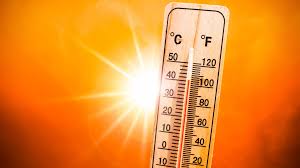
LONDON — A comprehensive new international analysis reveals that roughly one billion additional people are exposed to at least one day of “extreme heat stress” annually compared to the 1970s. The study, published in Nature Communications, links this dramatic rise overwhelmingly to human-caused global warming. While the crisis is felt globally, the researchers reported significantly sharper increases in low- and middle-income regions, alongside notable hotspots in Southern Europe and North America.
The Rising Tide of Global Heat Burden
The peer-reviewed study tracks fifty years of planetary and demographic shifts, revealing a stark transformation in global climate exposure. Between the 1970s and the present day, the share of the global population experiencing at least one day of extreme heat stress each year climbed from approximately 16% to 22%.
Converted to human terms, that percentage jump represents an additional one billion people forced to navigate dangerous physiological heat thresholds.
GLOBAL POPULATION EXPOSED TO REPEATED EXTREME HEAT STRESS
1970s: █░░░░░░░░░░░░░░░ (16%)
2020s: ██░░░░░░░░░░░░░░ (22% — +1 Billion People)
The expansion of heat stress is not uniform. The data shows that specific regional hotspots are bearing the brunt of a shifting climate, experiencing up to 40 to 50 more days of strong or dangerous heat stress per year than they did several decades ago. These heavily impacted areas include:
-
North America: The U.S. Sun Belt and parts of Mexico.
-
Southern Europe: Spain, Italy, and Greece.
-
East Africa: Large corridors of Kenya.
Crucially, the study establishes that anthropogenic (human-caused) climate forcing—primarily driven by greenhouse gas concentrations from fossil fuel combustion—is the dominant driver behind these trends. Furthermore, the growth rates of heat stress exposure in low-income economies are two to three times higher than those in high-income nations, exposing a stark spatial and economic inequality.
Understanding “Perceived Temperature” and the Body’s Limit
To quantify the true impact of a warming world, the research team bypassed simple air temperature readings in favor of complex thermal indices, such as the Universal Thermal Climate Index (UTCI). These metrics combine ambient air temperature with relative humidity, wind speed, and radiant heat to calculate the “perceived temperature”—the actual physiological burden placed on the human body.
What is Heat Stress? Unlike a dry desert heat, high humidity prevents sweat from evaporating efficiently. When sweat cannot evaporate, the human body loses its primary mechanism for cooling down, causing core temperatures to rise dangerously.
When the body enters extreme heat stress, its internal cooling mechanisms are overworked. This can trigger a cascade of acute medical emergencies and worsen baseline vulnerabilities:
-
Heat Illnesses: Progressing rapidly from heat exhaustion (heavy sweating, rapid pulse, dizziness) to life-threatening heat stroke (core body temperature rising above 104°F/40°C, confusion, loss of consciousness).
-
Cardiovascular and Respiratory Strain: To shed heat, the heart must pump significantly faster, redirecting blood flow to the skin. For individuals with pre-existing heart conditions or respiratory illnesses, this extra workload can precipitate heart attacks or severe respiratory distress.
-
Impaired Work Capacity: Beyond individual health, extreme heat stress fundamentally degrades the human capacity to labor safely outdoors or in uncooled indoor environments, threatening livelihoods and food security.
Expert Perspectives: A Double Crisis of Climate and Equity
Independent public health and climate experts emphasize that this study underscores a dual crisis: a rapidly changing climate overlapping with sharp societal inequities.
“The human fingerprint on this data is undeniable,” noted climate scientists reviewing the data, echoing the study’s findings that greenhouse gas emissions explain the vast majority of the global increase in heat stress days.
However, public health officials urge a nuanced reading of what these large numbers mean on the ground. Dr. Alistair Mendez, an independent occupational medicine specialist not involved in the study, points out that exposure does not automatically equal tragedy if proper protections are in place.
“An increase in exposure absolutely translates to higher population health risks, but only where adaptation is lacking,” Dr. Mendez explained. “Actual health outcomes will vary wildly based on local factors. A community’s housing quality, access to air conditioning, workplace heat-safety standards, and baseline population health will ultimately dictate who survives these shifts and who succumbs to them.”
This reality highlights the study’s findings on global health equity. Because low-income nations face a disproportionately higher rate of heat stress growth while possessing fewer financial resources to build cooling infrastructure, the gap in health equity between wealthy and developing nations is expected to widen significantly.
Public Health Implications and Policy Solutions
For hospital systems, emergency planners, and municipal governments, the implications of this data require immediate, systemic changes. Public health frameworks must evolve from reactive emergency responses to proactive climate adaptation.
┌────────────────────────────────────────────────────────┐
│             URGENT HEAT-ADAPTATION INFRASTRUCTURE       │
├────────────────────────────────────────────────────────┤
│  1. Early Warning Systems & Community Outreach          │
│  2. Mandatory Workplace Heat Protections               │
│  3. Urban Green Design & Public Cooling Centers        │
│  4. Clinical Integration of Heat Vulnerability Risk    │
└────────────────────────────────────────────────────────┘
-
Early Warning Systems: Cities require data-driven heat-health warning systems that trigger public alerts before a heatwave peaks, paired with targeted outreach to isolated older adults and unhoused populations.
-
Workplace Heat Protections: Governments must implement enforceable labor standards for outdoor workers, including mandatory shaded rest breaks, adjusted hydration schedules, and shifted working hours during peak solar radiation.
-
Urban Green Design: Long-term urban planning must combat the “urban heat island effect” by investing in reflective roofing, public cooling centers, and green infrastructure like tree-canopy expansions.
-
Clinical Integration: Healthcare systems need to integrate heat risks directly into clinical care guidelines, training practitioners to actively screen vulnerable patients before the summer season begins.
Limitations of the Data
While the study provides an essential macro-level overview, researchers and epidemiologists note certain limitations. Thermal indices are highly accurate approximations of physiological stress, but they cannot predict individual health outcomes. A person’s unique biology, age, and genetics mean that two people exposed to the exact same Universal Thermal Climate Index may react entirely differently.
Additionally, future public health burdens remain highly dependent on global carbon emission pathways. Climate models indicate that strictly limiting global warming toward the 1.5°C threshold would prevent hundreds of millions of people from ever facing these extreme heat conditions. Conversely, higher, unmitigated emissions scenarios would push vast populations into unprecedented, unlivable heat regimes by the end of the century.
Public health experts also caution against oversimplifying media headlines that focus exclusively on the “one billion people” metric. While statistically sound, massive aggregate numbers can obscure the highly local nature of heat risk, potentially distracting from the targeted, community-specific interventions required to save lives.
Practical Takeaways for Daily Health
The global trajectory is clear, but individuals and local practitioners can take immediate steps to mitigate personal risk:
-
For Individuals: Recognize that heat is an invisible hazard. Monitor local heat indices rather than just standard temperatures. On high-stress days, pre-hydrate, schedule heavy outdoor tasks for early morning or late evening, and identify accessible, cooled environments nearby. Learn the early warning signs of heat exhaustion—such as nausea, headaches, and cool, clammy skin—and intervene before it progresses.
-
For Clinicians and Caregivers: Proactively screen patients for heat vulnerability during routine spring and summer check-ups. Older adults, infants, and individuals taking certain medications (such as diuretics, beta-blockers, or antipsychotics that impair the body’s natural ability to regulate temperature) require specific counseling on how to remain safe during high-heat events.
References
-
-
Fortune, “Planet’s heat bill comes due as one billion more people face extreme heat stress,” June 22, 2026
-
Medical Disclaimer: This article is for informational purposes only and should not be considered medical advice. Always consult with qualified healthcare professionals before making any health-related decisions or changes to your treatment plan. The information presented here is based on current research and expert opinions, which may evolve as new evidence emerges.