 0
0
 0
0
BHUBANESWAR, INDIA — Health authorities in Odisha have intensified state-level disease surveillance and testing protocols following the confirmation of two additional COVID-19 infections. The latest laboratory-confirmed results raise the total number of active cases in the state’s emerging cluster to three, all localized within Ganjam district. Public health officials confirm that both newly identified patients exhibit mild symptoms and are recovering under home isolation, while the initial patient remains in stable condition at a regional tertiary referral facility.
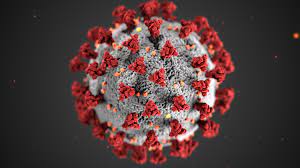
The developments have prompted state epidemiologists to reinforce routine clinical screening for respiratory illnesses across all district healthcare facilities. While state officials stress that the small cluster does not signify a widespread surge, the resurgence highlights the persistent endemic nature of SARS-CoV-2 and the necessity of ongoing genomic and clinical monitoring.
Localized Cluster in Ganjam District: What the Numbers Tell Us
The two new cases were confirmed through routine screening protocols initiated across Ganjam district. Public health surveillance teams identified the individuals through targeted diagnostic testing of patients presenting with mild influenza-like illness (ILI).
Both newly infected individuals have been instructed to follow strict home isolation protocols with remote monitoring from local primary health centers. Meanwhile, the state’s index patient in this cluster—a 54-year-old woman from Purushottampur—remains hospitalized at the Maharaja Krishna Chandra Gajapati (MKCG) Medical College and Hospital in Berhampur. Although her primary COVID-19 symptoms remain mild, clinicians elected to keep her under observation due to underlying pre-existing conditions, including hypertension, diabetes, and cardiovascular disease.
“Her health condition is stable,” stated Dr. Rabindranath Mishra, Director of Public Health for Odisha. “It has become a common influenza-like disease, and the virus has become weak. There is no reason for the public to panic.”
State epidemiologists have initiated targeted contact tracing around the identified cases to evaluate potential local transmission chains. Samples collected from the patients have also been sent for genomic sequencing to establish whether a specific subvariant is driving these sporadic infections.
Expert Perspectives: Endemic Dynamics and Immune Memory
Independent public health experts note that sporadic clusters like the one in Ganjam reflect the expected long-term behavior of COVID-19. Rather than disappearing completely, SARS-CoV-2 has largely transitioned into an endemic respiratory virus—meaning it continues to circulate continuously at low baseline levels with periodic, localized upticks.
“When we evaluate small clusters of three or four cases, we are looking at the natural evolutionary trajectory of an endemic respiratory pathogen,” explains Dr. Ananya Mukherjee, an independent infectious disease epidemiologist not involved in the Odisha state surveillance response. “Because hybrid immunity—built from previous exposures and vaccination—wanes over 6 to 12 months, populations periodically experience minor surges. Crucially, because cellular immune memory remains robust in most individuals, these infections usually manifest as upper respiratory illnesses rather than severe lower respiratory infections.”
Endemic Cycle of COVID-19
┌─────────────────────────┐     Waning Immunity     ┌─────────────────────────┐
│ Population Immunity High│ ──────────────────────> │ Sporadic Local Clusters │
└─────────────────────────┘                         └─────────────────────────┘
             ▲                                                   │
             │                                                   │ Mild Exposure /
             │                                                   │ Booster Response
             └───────────────────────────────────────────────────┘
This epidemiological shift means that health systems evaluate cases based on clinical severity and hospital capacity rather than raw case counts alone.
Regional Context and Heightened Border Screening
Odisha’s proactive surveillance response follows recent reports of fresh COVID-19 cases and suspected virus-related fatalities in neighboring Andhra Pradesh. Given the extensive daily cross-border transit between southern Odisha districts—such as Ganjam, Gajapati, and Koraput—and Andhra Pradesh, public health authorities implemented precautionary screening measures across border check posts.
Under current health department directives:
-
Mandatory SARI Screening: All patients presenting to healthcare facilities with Severe Acute Respiratory Illness (SARI) must undergo mandatory RT-PCR or rapid antigen testing.
-
Sampling for ILI: Hospitals are instructed to randomly test at least 5% of outpatient individuals exhibiting mild Influenza-Like Illness (ILI) symptoms, such as persistent cough, low-grade fever, or sore throat.
-
Hospital Preparedness: District Headquarters Hospitals across Odisha have been advised to keep designated isolation wards and dedicated intensive care unit (ICU) beds functional as a precautionary measure.
Practical Action: What Should Residents Do?
For the general public, health authorities emphasize that the detection of isolated cases does not warrant disruption to daily life or widespread alarm. Instead, individuals are encouraged to practice standard, commonsense hygiene measures that reduce the risk of all viral respiratory infections, including seasonal influenza and respiratory syncytial virus (RSV).
Key Steps for Everyday Health
-
Recognize Symptoms Early: Common symptoms of current viral strains include mild fever, body aches, runny nose, sore throat, and fatigue.
-
Isolate When Unwell: Anyone experiencing acute respiratory symptoms should stay home and avoid contact with vulnerable family members until symptoms resolve.
-
Protect High-Risk Individuals: Older adults, organ transplant recipients, and individuals managing chronic health conditions (such as advanced diabetes or chronic kidney disease) should consider wearing high-filtration masks (such as N95 or KN95) in crowded or poorly ventilated indoor settings.
-
Maintain Hygiene Habits: Regular handwashing with soap and water and maintaining well-ventilated indoor spaces remain highly effective barriers against viral spread.
Potential Limitations and Counterarguments
While official statements describe the current strains as causing predominantly mild disease, public health specialists caution against assuming the virus is entirely harmless for every demographic group. Official case totals capture only individuals who seek formal medical care and undergo diagnostic testing. Consequently, mild or asymptomatic cases in the community frequently go unreported.
Furthermore, while the term “influenza-like illness” accurately describes the clinical presentation for most healthy adults, COVID-19 can still pose significant clinical risks to immunocompromised individuals or those with severe underlying health conditions. Continued genomic surveillance remains essential to detect any structural mutations in circulating lineages that could bypass antibody protection or alter clinical outcomes.
State officials maintain that current diagnostic and hospital capacities are fully equipped to manage potential fluctuations in case numbers as surveillance continues.
References
-
Odisha COVID-19 State Dashboard, Government of Odisha. Public reporting on diagnostic testing, positivity rates, and surveillance metrics. [coviddashboard.odisha.gov]
-
Press Trust of India (PTI), Epidemiological summary on case detections in Ganjam district, July 23, 2026.
Medical Disclaimer: This article is for informational purposes only and should not be considered medical advice. Always consult with qualified healthcare professionals before making any health-related decisions or changes to your treatment plan. The information presented here is based on current research and expert opinions, which may evolve as new evidence emerges.