 0
0
 0
0
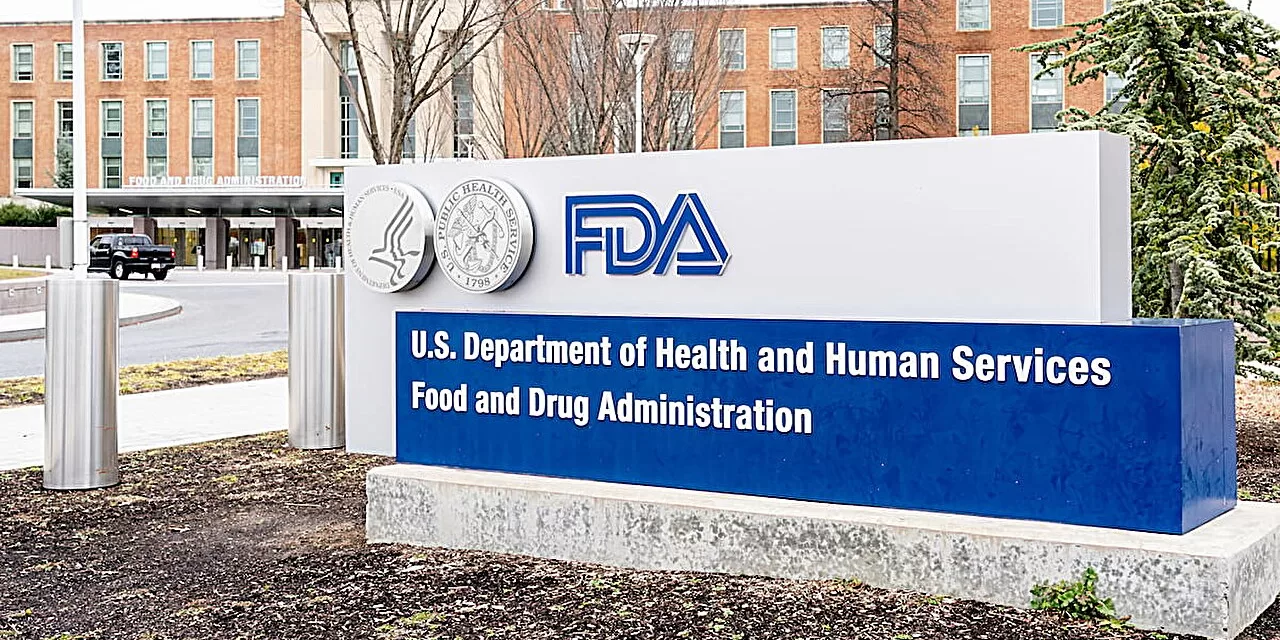
WASHINGTON — U.S. Food and Drug Administration (FDA) advisers opened a high-stakes, two-day hearing on Thursday to determine whether compounding pharmacies should be granted broader authority to manufacture seven popular peptides. The meeting of the Pharmacy Compounding Advisory Committee (PCAC) marks a pivotal moment in an ongoing tug-of-war between regulatory scientists, wellness-industry advocates, and public health officials over experimental therapies that have flooded the direct-to-consumer health landscape.
At the heart of the review is a fundamental question: Should compounds with limited human clinical data be made widely available through state-licensed compounding pharmacies to curb an unchecked gray market, or does expanding access expose the public to unproven and potentially unsafe therapies?
The panel’s recommendations could determine whether these seven substances transition from restricted regulatory status onto the FDA’s 503A Bulks List—a move that industry analysts estimate could unlock a $2 billion to $3 billion domestic market.
What the Panel Is Reviewing
Peptides are short chains of amino acids—the fundamental chemical building blocks the body uses to construct proteins. While several peptide-based drugs (such as insulin and GLP-1 receptor agonists like semaglutide) have undergone rigorous clinical testing and earned full FDA approval, dozens of unapproved peptides have gained viral popularity across social media, podcasts, and anti-aging clinics.
The committee is reviewing seven specific peptides for potential inclusion on the 503A Bulks List:
-
BPC-157: Derived from a protein found in stomach acid, heavily marketed for soft-tissue and gut repair.
-
TB-500 (Thymosin Beta-4 derivative): Promoted for muscle recovery and wound healing.
-
KPV: A short peptide fragment associated with anti-inflammatory claims.
-
MOTs-c: A mitochondrial-derived peptide marketed for metabolic health and exercise performance.
-
Emideltide (DSIP derivative): Investigated historically for sleep regulation.
-
Epitalon: A synthetic peptide claimed to influence telomerase activity and cellular aging.
-
Semax: A peptide developed in Russia, marketed for cognitive enhancement and neuroprotection.
FDA staff scientists opened the hearing with a cautious assessment, noting that available human data for these seven compounds remains sparse. According to agency reviewers, existing literature relies predominantly on animal models, cell cultures, or small, non-controlled human trials—falling well short of the randomized, double-blind clinical trials required to prove safety and efficacy.
How Peptides Became a Regulatory Flashpoint
The debate over custom peptide compounding has escalated significantly over the last three years. In late 2023, the FDA placed nearly 20 peptides into Category 2 under its compounding policy—effectively banning compounding pharmacies from producing them due to potential safety risks, including immunogenicity (unwanted immune responses), chemical impurities, and toxicity.
However, demand for these compounds did not disappear. Instead, consumers increasingly turned to online research chemical suppliers, wellness spas, and overseas websites operating in a regulatory gray zone.
“When regulators strictly restrict access without addressing underlying demand, patients rarely stop seeking treatments,” explains Dr. Aris Thorne, a health policy researcher and clinical pharmacologist not affiliated with the FDA panel. “Instead, they migrate to unregulated online sellers where product purity, concentration, and sterility are completely unverified. That creates a distinct public health hazard.”
The regulatory landscape shifted again in April 2026, when Health and Human Services Secretary Robert F. Kennedy Jr. advocated for moving 12 peptides back into Category 1, opening the door for this month’s formal advisory committee evaluation. Proponents, including direct-to-care telehealth platforms and integrative medicine clinicians, argue that legitimate compounding under pharmacist supervision provides a safer alternative to black-market products.
Weighing the Evidence: Innovation vs. Patient Safety
While industry groups advocate for patient autonomy and access, academic researchers and mainstream medical associations urge strict adherence to evidence-based medicine.
Compounding allows state-licensed pharmacies to mix custom medications for individual patients with specific medical needs (such as an allergy to a commercial dye). Crucially, compounded drugs are not FDA-approved. They do not undergo the rigorous pre-market evaluation that verifies whether a drug works for a specific condition or establishes its side-effect profile.
FDA Approval Pathway vs. Pharmacy Compounding
┌─────────────────────────────────────────────────────────┐
│ FDA Drug Approval Pathway                               │
│ Phase 1-3 Clinical Trials ➔ Proven Safety & Efficacy   │
└─────────────────────────────────────────────────────────┘
                            VS
┌─────────────────────────────────────────────────────────┐
│ 503A Pharmacy Compounding                               │
│ Individual Prescription ➔ Bulk Ingredient Standard      │
│ (Does NOT equal formal FDA approval)                    │
└─────────────────────────────────────────────────────────┘
Mainstream endocrinologists and toxicologists point out that marketed claims for peptides often dramatically outpace scientific evidence. For example, while BPC-157 shows promising tissue-healing properties in rodent models, published human safety data remains negligible.
Without large-scale human trials, critical questions remain unanswered:
-
What is the correct therapeutic dose for humans?
-
How do these compounds interact with other prescribed medications?
-
What are the long-term risks regarding organ toxicity or tumor growth?
Public Health Implications and What Readers Should Know
For healthcare providers, the peptide debate highlights an increasing challenge in modern clinical practice: managing patients who arrive with self-prescribed regimens based on digital health trends. Physicians emphasize that open communication is critical. Patients using or considering compounded peptides should inform their primary care provider to screen for potential drug interactions or underlying risks.
For health-conscious consumers, experts recommend a measured approach:
-
Acknowledge the distinction: Inclusion on a bulk compounding list does not mean a peptide is an “FDA-approved cure” for aging, athletic recovery, or chronic pain.
-
Evaluate the source: Unregulated “research chemicals” sold online often lack sterility testing and accurate dosing, posing severe risks of contamination or infection.
-
Prioritize proven therapies: For conditions like joint injuries, metabolic syndrome, or cognitive decline, established guideline-based treatments remain the safest first line of care.
The advisory committee will vote on each of the seven peptides individually before submitting its non-binding recommendations to FDA leadership, which is expected to issue final administrative rulings in the coming months.
Medical Disclaimer: This article is for informational purposes only and should not be considered medical advice. Always consult with qualified healthcare professionals before making any health-related decisions or changes to your treatment plan. The information presented here is based on current research and expert opinions, which may evolve as new evidence emerges.
References
-
Reuters. “FDA advisers back first of seven peptides under review for wider compounding access.” Published July 23, 2026.