 0
0
 0
0
GENEVA / ATLANTA — Vaccines currently sitting in global stockpiles to fight standard Ebola outbreaks may offer a crucial partial defense against the rarer Bundibugyo virus, according to research published July 23, 2026.
The finding comes as public health authorities respond to an active Bundibugyo virus outbreak in central Africa. Because no targeted vaccine or antiviral treatment exists specifically for the Bundibugyo strain, epidemiologists say using existing stockpile reserves could serve as an essential stopgap strategy to safeguard frontline health workers and contain transmission.
Laboratory Tests Reveal Cross-Reactive Immune Activity
The newly released data evaluate whether vaccines formulated for the Zaire ebolavirus strain—the pathogen responsible for the largest historical outbreaks—can trigger cross-protection against related filoviruses.
In laboratory assays analyzing blood samples from vaccinated individuals, researchers evaluated immune responses generated by two established immunization platforms:
-
rVSVΔG-ZEBOV-GP (Merck): A single-dose vaccine widely deployed in public health ring-vaccination strategies.
-
Ad26.ZEBOV/MVA-BN-Filo (Janssen/Bavarian Nordic): A two-dose heterologous vaccine regimen.
The research team measured antibody levels using median fluorescence intensity (MFI)—a key metric reflecting how strongly antibodies bind to viral targets:
| Vaccine Platform | Strain Target | 28-Day Post-Vaccination MFI | 3-Month Post-Vaccination MFI |
| rVSVΔG-ZEBOV-GP | Kikwit (Zaire Ebola) | 1,788 | 1,069 |
| rVSVΔG-ZEBOV-GP | Bundibugyo virus | 282 | 130 |
| Ad26.ZEBOV / MVA-BN-Filo | Bundibugyo virus | Lower relative activity | Increased relative activity |
While the antibody response against Bundibugyo virus was noticeably lower than the primary defense generated against the Kikwit strain of Ebola virus, researchers confirmed that a clear, measurable immune signal was present. The two-dose regimen also demonstrated cross-reactivity, showing higher relative antibody binding at three months than at day 28.
Biological Kinship Within the Filovirus Family
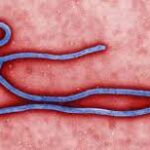
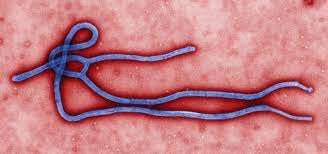
Understanding why an Ebola vaccine acts against Bundibugyo requires a look at viral genetics. Both pathogens belong to the Filoviridae family—a group of enveloped, single-stranded RNA viruses known for causing severe hemorrhagic fevers in humans and non-human primates.
“Think of these viruses as distant cousins wearing similar outerwear,” explains Dr. Elena Rostova, an independent infectious disease specialist and global health researcher not involved in the study. “The outer glycoprotein spike on the Bundibugyo virus shares structural elements with the Zaire strain. The immune system recognizes those shared molecular patterns, producing cross-reactive antibodies. However, because the lock and key don’t fit perfectly, the neutralization capacity is reduced.”
   [ Filovirus Family Tree ]
              │
    ┌─────────┴─────────┐
    ▼                   ▼
Zaire ebolavirus    Bundibugyo virus
(Targeted by        (Shares structural
 licensed vaccines)  glycoproteins)
According to the World Health Organization (WHO), Ebola disease spreads through direct contact with blood, secretions, organs, or other bodily fluids of infected persons or contaminated surfaces. The U.S. Centers for Disease Control and Prevention (CDC) notes that aggressive containment measures—such as rapid isolation, rigorous contact tracing, personal protective equipment (PPE) compliance, and ring vaccination—are critical to breaking transmission chains during an outbreak.
Experts Urge Cautious Optimism Amid Field Protocols
While the study authors highlighted that existing vaccines should be evaluated during response efforts to mitigate severe disease, public health leadership maintains a measured stance.
The WHO reports that the global emergency stockpile holds approximately 500,000 doses of the rVSVΔG-ZEBOV-GP vaccine. However, international regulatory guidelines stipulate that deploying products off-label requires rigorous clinical trial frameworks.
Public health agencies emphasize several operational considerations:
-
Clinical Trials vs. General Rollout: Officials recommend deploying the stockpile within observational clinical trials or ring-vaccination research protocols to systematically evaluate real-world efficacy against Bundibugyo.
-
Bridge Strategy: Existing supplies offer an immediate defense option for high-risk individuals—such as healthcare personnel and burial teams—while strain-specific vaccines undergo development.
-
Laboratory vs. Field Efficacy: Laboratory antibody measurements (in vitro data) indicate immune recognition, but they do not automatically guarantee complete protection against clinical infection or severe illness in human populations (in vivo protection).
What This Means for Public Health and Prevention
For public health planners and emergency response teams, these findings provide a valuable blueprint. If clinical protocols confirm even partial cross-protection, deploying available doses could significantly reduce severe morbidity and viral shedding among exposed individuals.
For the general public, standard prevention protocols remain unchanged. Routine Ebola vaccination is not recommended for the broader population outside active containment zones. Control of filovirus outbreaks relies heavily on foundational public health practices:
-
Early Identification: Promptly isolating suspected cases at specialized care centers.
-
Infection Control: Strict adherence to barrier nursing protocols and PPE usage in healthcare settings.
-
Safe Practices: Avoiding direct physical contact with symptomatic individuals or items contaminated with bodily fluids, as well as maintaining safe burial practices.
Researchers emphasize that while the findings represent a pragmatic public health opportunity rather than a complete cure, leveraging cross-protective immunity from existing stockpiles could prove instrumental in managing emerging filovirus threats.
Medical Disclaimer
Medical Disclaimer: This article is for informational purposes only and should not be considered medical advice. Always consult with qualified healthcare professionals before making any health-related decisions or changes to your treatment plan. The information presented here is based on current research and expert opinions, which may evolve as new evidence emerges.
References
- https://www.medpagetoday.com/infectiousdisease/ebola/122319