 0
0
 0
0
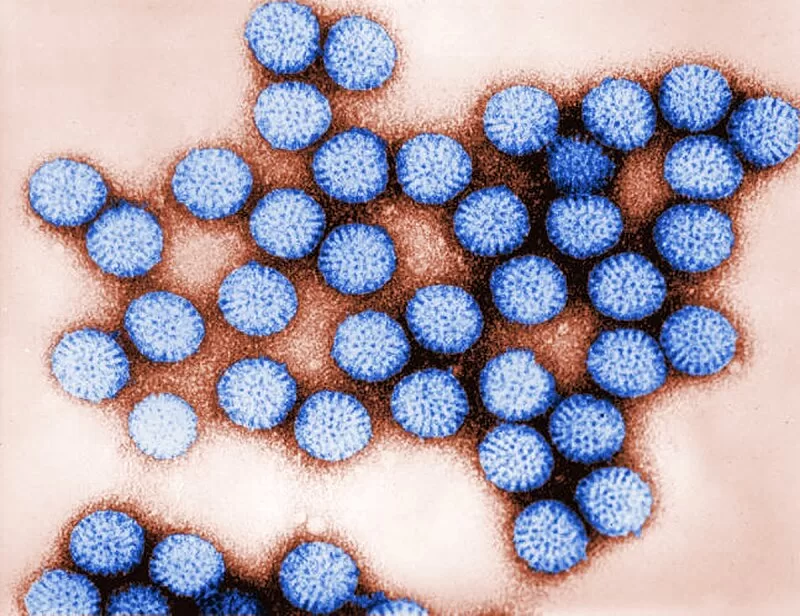
MUMBAI — Over the past two weeks, pediatric clinics and hospitals across Mumbai have reported a marked increase in cases of acute viral gastroenteritis—commonly referred to as the stomach flu. Driven primarily by rotavirus and norovirus infections, this surge has coincided with the arrival of the monsoon season, creating environmental conditions highly favorable for the rapid transmission of waterborne and foodborne pathogens.
Public health experts and local clinicians are urging urban households to implement strict, preventative hygiene measures, particularly to safeguard infants and young children who face the highest risk of severe complications.
What Is Behind the Surge?
City doctors report that pediatric emergency rooms and outpatient departments have seen a steady influx of young patients presenting with acute gastrointestinal distress over the last fortnight.
“We are witnessing a noticeable uptick in rotavirus-driven gastroenteritis in recent weeks,” notes Dr. Nihar Parekh, a Mumbai-based pediatrician who recently issued a public health advisory. “The classic presentation includes sudden-onset watery diarrhea, frequent vomiting, low-grade fever, and significant abdominal cramping.”
Rotavirus remains the leading cause of severe, dehydrating diarrheal disease in infants and children under five globally. While adult infections are frequently mild or asymptomatic, infected adults can silently shedding the virus, making high-density environments like schools, daycares, and multi-generational households primary vectors for community spread.
Transmission Routes: How the Pathogens Spread
Both rotavirus and norovirus are microscopic, non-enveloped viruses that are remarkably resilient in the environment. They require a tiny viral load to cause infection and spread rapidly through several key pathways:
-
Contaminated Food and Water: Ingestion of meals or drinking water exposed to sewage overflow, leaky municipal pipes, or unhygienic handling.
-
Fecal-Oral and Person-to-Person Contact: Direct transmission via unwashed hands or close physical proximity in enclosed settings.
-
Surface Fomites: Viruses can persist for days on high-touch surfaces such as doorknobs, plastic toys, cell phones, and eating utensils.
-
Recreational Water Bodies: Swimming pools pose a distinct seasonal risk. Norovirus, in particular, exhibits moderate resistance to standard chlorine levels. A single swimmer shedding the virus can contaminate pool water, which children routinely swallow in small quantities while playing.
       [ Viral Reservoir ]
      (Infected Person / Water)
                 │
  ┌──────────────┼──────────────┐
  ▼              ▼              ▼
[ Pool Water ] [ Surfaces ]  [ Unwashed Food ]
  │              │              │
  └──────────────┼──────────────┘
                 ▼
       [ Ingestion / Mouth ]
                 │
                 ▼
    [ Infection & Dehydration ]
Two Critical Precautions Recommended by Experts
To mitigate household transmission during this peak window, pediatricians recommend two immediate, high-impact behavioral adjustments:
1. Shift Entirely to Home-Cooked Meals
Medical professionals advise families to strictly avoid outside food for the next several weeks. Street food vendors and casual dining establishments face severe operational challenges during the monsoon, where municipal water contamination risks escalate.
“Home-prepared meals allow families to maintain complete oversight of hygiene and cooking temperatures,” explains Dr. Parekh. “It is vital to temporarily avoid raw or uncooked items like street-side chutneys, raw salads, cut fruits, and unpasteurized beverages.”
2. Take a Temporary Break from Swimming Pools
Children should suspend recreational swimming activities until community transmission levels decline.
Because standard chlorination does not instantaneously neutralize norovirus, communal pools present a recurring source of cross-contamination. Public health specialists advise resuming swimming only after local outbreaks subside and facility maintenance standards are verified.
Recognizing Symptoms and Warning Signs
Symptoms of viral gastroenteritis typically manifest 12 to 48 hours post-exposure. While the illness is self-limiting in healthy individuals—usually resolving within 24 to 72 hours—the rapid loss of body fluids through simultaneous vomiting and diarrhea can prove dangerous for vulnerable demographics.
| Common Symptoms | High-Risk Indicators (Seek Care Immediately) |
| Watery, non-bloody diarrhea | Absence of wet diapers/urination for 6+ hours |
| Nausea and frequent vomiting | Crying without tears or dry mucous membranes |
| Abdominal cramps and low-grade fever | Sunken soft spot (fontanelle) in infants |
| Muscle aches and mild headaches | Lethargy, unusual sleepiness, or confusion |
| Mild fatigue | Blood in stool/vomit or fever exceeding 102°F (38.9°C) |
Treatment, Prevention, and Public Health Context
There are no specific oral antiviral medications that target rotavirus or norovirus. Treatment focuses almost entirely on supportive care and rehydration therapy.
-
Oral Rehydration Solutions (ORS): World Health Organization (WHO)-standard ORS formulations represent the cornerstone of treatment, restoring vital electrolytes (sodium, potassium) alongside fluids. Plain water alone is insufficient for severe fluid loss.
-
Avoiding Inappropriate Medications: Antibiotics are completely ineffective against viral gastroenteritis and can exacerbate gut dysbiosis (an imbalance in the gut microbiome). Antidiarrheal medications should never be administered to children without an explicit pediatric prescription.
-
Routine Immunization: The oral rotavirus vaccine, integrated into standard infant immunization schedules, offers robust protection against severe disease and hospitalizations.
-
Targeted Hygiene: Hand hygiene using soap and running water for at least 20 seconds is far more effective than alcohol-based hand sanitizers against non-enveloped viruses like norovirus and rotavirus. Household disinfection of hard surfaces should be performed using diluted bleach solutions.
       +-------------------------------------------------------+
       |                  MONSOON SAFETY CHECK                 |
       +-------------------------------------------------------+
       |  [✓] Drink boiled or filtered water                   |
       |  [✓] Wash hands with soap before meals                |
       |  [✓] Avoid raw street foods and uncooked chutneys     |
       |  [✓] Pause recreational swimming pool visits           |
       |  [✓] Ensure infants are up to date on ORV vaccine     |
       +-------------------------------------------------------+
Limitations and Diagnostic Nuances
While epidemiological data points to a viral origin for the majority of current cases, health professionals note that not all monsoon gastroenteritis is viral. Bacterial pathogens (such as Salmonella, Shigella, and E. coli) and parasitic organisms (such as Giardia) cause overlapping symptoms but require entirely different clinical interventions, including targeted antimicrobials.
Confirmatory diagnostic testing, such as enzyme-linked immunosorbent assay (ELISA) or polymerase chain reaction (PCR) stool panels, can identify exact viral strains. However, these tests are not routinely performed for mild, uncomplicated outpatient cases due to cost and clinical practicality.
Furthermore, public health analysts caution against panic, emphasizing that localized spikes during monsoon months are a recurring seasonal phenomenon in urban centers rather than an unprecedented global crisis. Enhanced municipal monitoring, proper water sanitation, and rigorous household precautions remain the most effective tools to flatten the curve of seasonal transmission.
Medical Disclaimer: This article is for informational purposes only and should not be considered medical advice. Always consult with qualified healthcare professionals before making any health-related decisions or changes to your treatment plan. The information presented here is based on current research and expert opinions, which may evolve as new evidence emerges.
References
- https://indianexpress.com/article/lifestyle/health/mumbai-sees-rise-rotavirus-stomach-flu-viruses-home-food-swimming-experts-10806722/