 0
0
 0
0
NEW DELHI — In a milestone moment for public health, India’s central drug regulator has officially granted marketing authorization for the country’s first dengue vaccine, QDENGA (TAK-003). The clearance arrives at a critical juncture: newly released findings from the largest nationwide molecular surveillance study to date reveal that all four dengue virus serotypes are now circulating simultaneously across multiple Indian states, creating a complex viral landscape that experts warn significantly elevates the risk of severe clinical outcomes.
The regulatory green light by the Drug Controller General of India (DCGI) approves the two-dose live-attenuated vaccine for individuals aged 4 to 60 years. Unlike earlier generation vaccines, QDENGA can be administered without requiring pre-vaccination blood screening for past infection—a major logistical breakthrough for a country that bears nearly a third of the global dengue burden.
Nationwide Strain Mapping: Hyperendemicity and Multi-Strain Infections
The urgency for an effective preventive strategy is underscored by a landmark pan-India molecular surveillance study led by the ICMR-National Institute of Virology (NIV) in Pune. Published in the International Journal of Infectious Diseases, the study analyzed 6,889 laboratory-confirmed dengue samples collected between 2023 and 2025 across 45 Virus Research and Diagnostic Laboratories (VRDLs) spanning 25 states and Union Territories.
The findings document a state of widespread hyperendemicity—a medical scenario where multiple viral strains co-exist within the same population.
                  2023–2025 Pan-India Serotype Distribution
 ┌────────────────────────────────────────────────────────────────────────┐
 │ DENV-2  [███████████████████████████████████████████████████] 51%      │
 │ DENV-3  [█████████████] 13%                                           │
 │ DENV-1  [███████] 7%                                                   │
 │ DENV-4  [█] 1%                                                         │
 └────────────────────────────────────────────────────────────────────────┘
-
Simultaneous Circulation: All four serotypes (DENV-1, DENV-2, DENV-3, and DENV-4) were found co-circulating in eight states and Union Territories, including Maharashtra, Rajasthan, Tamil Nadu, West Bengal, Andhra Pradesh, Gujarat, Haryana, and Madhya Pradesh.
-
DENV-2 Dominance: The DENV-2 strain accounted for over half (51%) of all typed infections nationally, though regional shifts were prominent. For instance, DENV-1 accounted for a larger share in Haryana (38%), Rajasthan (25%), and Tamil Nadu (29%), while DENV-3 was frequently identified in Gujarat (30%) and Uttar Pradesh (29%).
-
Concurrent Multi-Strain Infections: Approximately 7% of patients were found to be infected with two or more dengue strains at the exact same time.
Crucially, the ICMR study demonstrated that concurrent infections were directly associated with a higher likelihood of severe clinical manifestations, including severe thrombocytopenia (dangerously low blood platelet counts), joint pain (arthralgia), and hemorrhagic manifestations (spontaneous bleeding).
“When someone is infected with one dengue strain, they gain lifelong immunity to that specific strain, but only short-term protection against the others,” explained Dr. Gautam Menon, Professor of Physics and Biology at Ashoka University, who was not involved in the surveillance trial. “Subsequent or concurrent exposure to different strains can trigger secondary immune reactions that increase the risk of severe dengue shock or bleeding complications. That makes understanding shifting serotype patterns vital as we introduce vaccines.”
Vaccine Overview: How QDENGA Works
Developed by Takeda Pharmaceuticals, QDENGA (TAK-003) is a recombinant, live-attenuated tetravalent vaccine. It uses a modified DENV-2 genetic backbone engineered to carry surface proteins from the other three serotypes, training the immune system to recognize and defend against all four strains.
| Parameter | Regulatory & Clinical Profile |
| Indication | Prevention of dengue disease in individuals aged 4 to 60 years |
| Dosing Schedule | 2 doses administered subcutaneously, 3 months apart (Months 0 and 3) |
| Pre-Screening Requirement | None. Safe for both dengue-naive and previously exposed individuals |
| Overall Efficacy (Phase 3 TIDES) | 80.2% protection against symptomatic dengue at 12 months post-vaccination |
| Hospitalization Reduction | 90.4% reduction in dengue-related hospital admissions at 18 months |
| Long-Term Protection | Sustained 61.2% overall efficacy and 84.1% hospital protection through 4.5 years |
Approval by the DCGI was supported by Takeda’s global clinical development program alongside a local Phase 3 trial (DEN-302) involving 480 healthy adults in India, which demonstrated that the vaccine was safe, well-tolerated, and strongly immunogenic. As a routine condition for new biological products, Takeda will conduct post-marketing surveillance in India to track real-world effectiveness.
Expert Perspectives: A New Tool, Not a Silver Bullet
Public health leaders have met the approval with cautious optimism, noting that while vaccination offers individual protection, it must be integrated into broader municipal vector control strategies.
“India carries a substantial dengue burden, and all four dengue virus serotypes have been documented as co-circulating in several regions,” said Dr. Goh Choo Beng, Medical Affairs Head for Southeast Asia and India Cluster at Takeda. “QDENGA represents an important step in strengthening a comprehensive approach to dengue prevention, alongside vector control, surveillance, and other public health measures.”
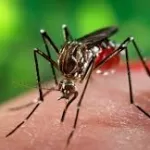
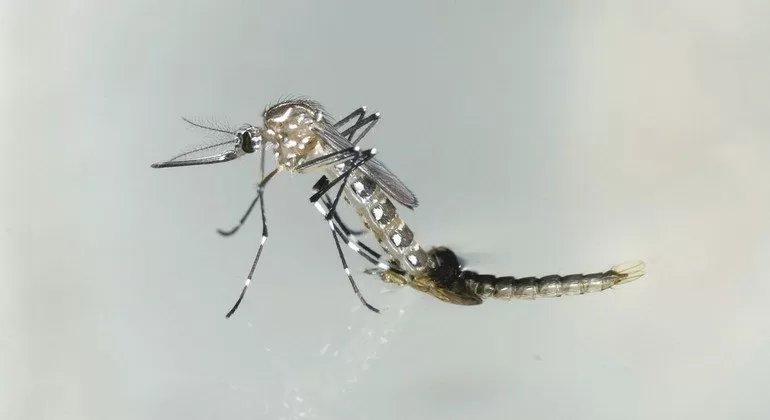
Public health epidemiologists reinforce that vaccines cannot replace traditional mosquito eradication. Because the Aedes aegypti mosquito bites primarily during daylight hours and breeds in tiny collections of clean, stagnant water inside households, community-led sanitation remain the first line of defense.
       ┌───────────────────────────────────────────────────────────┐
       │             INTEGRATED DENGUE DEFENSE PLAN                │
       ├──────────────────────────────┬────────────────────────────┤
       │     Medical Protection       │     Vector Eradication     │
       ├──────────────────────────────┼────────────────────────────┤
       │ • 2-dose QDENGA Vaccination  │ • Eliminating Stagnant H2O │
       │ • Early Lab Diagnostics      │ • Larvicidal Treatments    │
       │ • Fluid Management Protocols │ • Mosquito Repellents      │
       └──────────────────────────────┴────────────────────────────┘
Limitations and Practical Realities for Patients
While QDENGA has received regulatory approval, health authorities highlight several key considerations for the public and healthcare providers:
-
Serotype Variations: Long-term clinical trial data indicate that while QDENGA provides robust protection against DENV-1 and DENV-2 (its genetic backbone), its efficacy against DENV-3 and DENV-4 is somewhat lower in individuals who have never had a prior dengue infection.
-
Commercial Availability Timeline: Commercial doses are anticipated to hit private hospital and clinic supply chains in India by the first half of 2027. Takeda has partnered with Hyderabad-based Biological E to manufacture up to 50 million doses annually to meet demand.
-
Public Program Integration: Inclusion into India’s Universal Immunisation Programme (UIP) will depend on future formal evaluations by the National Technical Advisory Group on Immunisation (NTAGI) regarding cost-effectiveness and public sector supply allocations.
The Road Ahead
India reported over 110,000 official dengue cases in 2025 alone—a figure widely acknowledged to represent only a fraction of true infections due to asymptomatic cases and underreporting. With vector habitats expanding due to rapid urbanization and erratic monsoons, combining continuous genomic surveillance with targeted immunization offers India its strongest opportunity yet to flatten the annual dengue surge.
Medical Disclaimer
This article is for informational purposes only and should not be considered medical advice. Always consult with qualified healthcare professionals before making any health-related decisions or changes to your treatment plan. The information presented here is based on current research and expert opinions, which may evolve as new evidence emerges.
References
-
The Hindu. “India’s dengue burden grows more complex as multiple virus strains circulate together, study finds.” Published July 28, 2026.