 0
0
 0
0
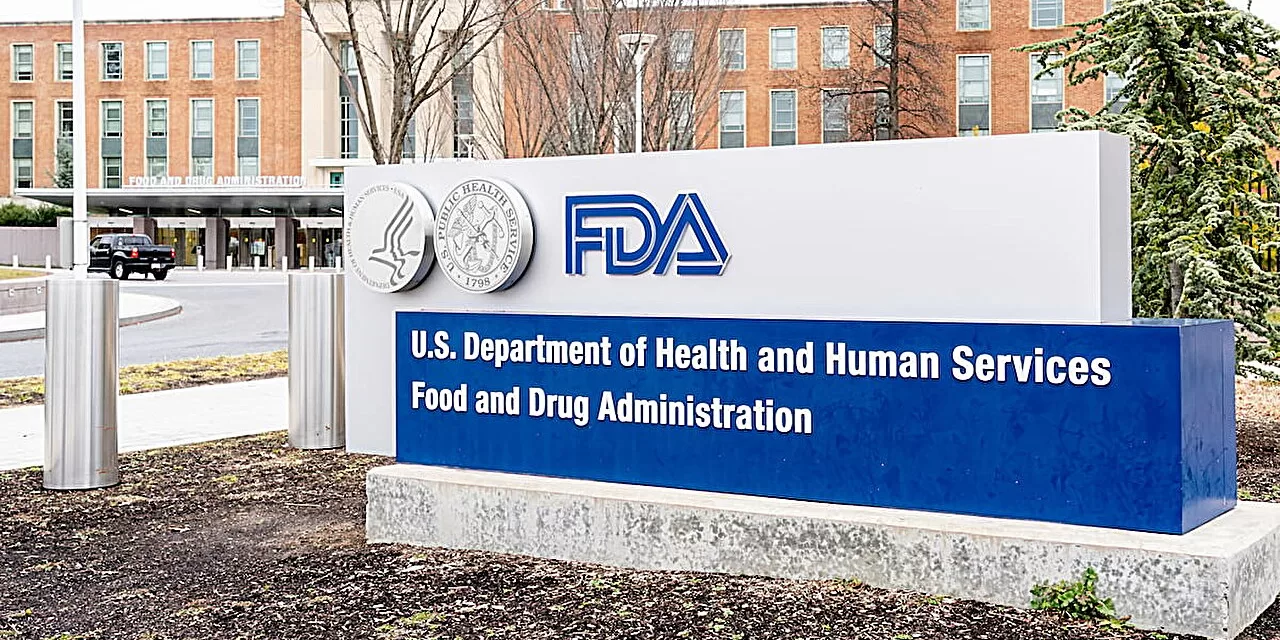
WASHINGTON — The U.S. Food and Drug Administration (FDA) has approved Gwyn Lo, a novel transdermal birth control patch that delivers a low daily dose of estrogen through the skin. Announced on July 29, 2026, by developer Viatris Inc., the once-weekly patch offers a new reversible option for women seeking effective pregnancy prevention without the burden of a daily pill routine.
Indicated for women of childbearing potential with a body mass index (BMI) below 30 kg/m² for whom combined hormonal contraceptives are appropriate, Gwyn Lo is scheduled to become commercially available across the United States later this year. The approval represents a key expansion in non-oral, low-dose birth control choices, addressing a persistent need for options that balance convenience with reduced hormone exposure.
Key Findings from the Luminous Clinical Trial
The regulatory approval of Gwyn Lo was granted under the FDA’s 505(b)(2) pathway, supported by data from the Phase 3 Luminous Study (NCT05139121). The year-long clinical trial evaluated the patch’s contraceptive efficacy, safety, cycle control, and physical adhesion under real-world conditions.
To measure efficacy, researchers calculated the Pearl Index—the standard clinical metric representing the number of unintended pregnancies per 100 woman-years of use. Among trial participants aged 18 to 35, Gwyn Lo demonstrated a Pearl Index of 4.14 (95% confidence interval: 2.77–5.95). This effectiveness profile is consistent with other approved low-dose combined hormonal contraceptives, including standard oral birth control pills delivering 20 to 30 micrograms of estrogen daily.
+-----------------------------------------------------------------------+
|                    GWYN LO: AT A GLANCE                               |
+----------------------+------------------------------------------------+
| Dosing Schedule      | Applied once weekly for 3 weeks; 1 week off    |
| Daily Dose Released  | 20 mcg ethinyl estradiol / 220 mcg norelgestromin |
| Target Population    | Women of childbearing potential with BMI < 30  |
| Primary Efficacy     | Pearl Index: 4.14 (Phase 3 Luminous Study)     |
| Patch Adhesion Rate  | 98.7% remained intact (only 1.3% full detachment)|
+----------------------+------------------------------------------------+
Beyond pregnancy prevention, trial investigators closely monitored patch performance. A major historic drawback of transdermal systems has been accidental detachment during daily routines. Out of 39,790 individual patches applied throughout the trial, only 1.3% fully detached. Supplementary Phase 1 studies confirmed that hormone delivery remained stable even under environmental stressors, including warm whirlpools, saunas, cold-water baths, and vigorous treadmill exercise.
Cycle control also improved progressively over time. While 34.5% of users experienced unscheduled spotting or breakthrough bleeding during their first 28-day cycle, that rate dropped to 20.0% by cycle 13, demonstrating that breakthrough bleeding tends to settle as the body adjusts.
How Transdermal Delivery Works
Gwyn Lo is a matrix-type transdermal system. Rather than passing through the stomach and liver via oral ingestion, active ingredients are absorbed continuously through skin tissue into the bloodstream. Each patch delivers:
-
20 micrograms/day of ethinyl estradiol (an estrogen component)
-
220 micrograms/day of norelgestromin (a progestin component)
Users apply one patch per week to clean, dry skin on the lower abdomen, buttocks, upper back, or upper outer arm for three consecutive weeks, followed by one patch-free week. During the fourth week, users experience a withdrawal bleeding period similar to a natural menstrual cycle.
Week 1: Apply Patch #1 ──► Week 2: Apply Patch #2 ──► Week 3: Apply Patch #3 ──► Week 4: PATCH-FREE WEEK
(Change every 7 days)     (Change every 7 days)     (Change every 7 days)     (Withdrawal Bleeding)
By bypassing the gastrointestinal tract, skin-based delivery eliminates “first-pass” liver metabolism and reduces digestive side effects—such as upper abdominal upset or nausea—that some individuals encounter with oral birth control pills. Furthermore, delivering a low estrogen dose aligns with modern clinical strategies aimed at prescribing the lowest effective hormone level needed for pregnancy prevention.
Safety Profile, Contraindications, and Limitations
While Gwyn Lo provides a convenient dosing schedule, it carries safety considerations common to all combined hormonal contraceptives.
Serious Risks & Boxed Warnings
The official FDA label includes a Boxed Warning regarding cardiovascular risks:
-
Cigarette Smoking: Women older than 35 who smoke are strictly contraindicated from using Gwyn Lo due to a significantly elevated risk of serious cardiovascular events, including heart attack, blood clots, and stroke.
-
Body Mass Index (BMI): Gwyn Lo is contraindicated in women with a BMI of 30 kg/m² or higher. Clinical data show that high BMI can impair transdermal hormone absorption and increase the baseline risk of venous thromboembolism (VTE) or deep vein thrombosis.
Notably, unlike some older transdermal systems, Gwyn Lo’s approved label shows demonstrated efficacy in women with a BMI between 25 and 29.9 kg/m² without restrictive limitations in that specific subset.
Common Side Effects
In clinical trials, the overall safety profile was well-characterized. The most frequently reported adverse reactions included:
-
Application-site irritation (4.8%)
-
Application-site redness/erythema (3.7%)
-
Application-site itching/pruritus (3.7%)
-
Intercycle or breakthrough bleeding (3.9%)
-
Heavy withdrawal bleeding (2.0%)
-
Nausea (2.0%)
Key Limitations
Healthcare providers emphasize several critical limitations:
-
No STI Protection: Gwyn Lo does not protect against HIV or other sexually transmitted infections (STIs). Barrier methods, such as condoms, remain necessary for infection prevention.
-
Demographics: Phase 3 trials focused primarily on healthy women aged 18 to 35; real-world data across broader age groups will continue to be collected through post-marketing surveillance.
Expert Commentary & Public Health Impact
According to data from the Centers for Disease Control and Prevention (CDC), approximately 18% of women using contraception change or discontinue their chosen method within a 12-month period—with nearly 43% citing dissatisfaction with their current method. Unintended pregnancies continue to account for over 40% of all U.S. pregnancies.
“Gwyn Lo will provide a discreet option for women seeking a reversible, non-invasive, once-weekly contraception patch with a low dose of estrogen,” stated Philippe Martin, Chief Research and Development Officer at Viatris, following the decision. “Building on our expertise in transdermal drug delivery systems, we are pleased that the approved label reflects the strength of our clinical program.”
Independent reproductive health experts emphasize that adding a low-dose patch to the market fills a vital gap between daily oral regimens and long-acting reversible contraceptives (LARCs) like IUDs or implants.
“Contraceptive care is never one-size-fits-all,” noted Dr. Elena Rostova, an independent reproductive endocrinologist not involved in the trial. “Having multiple delivery mechanisms—whether daily pills, weekly patches, monthly rings, or long-term implants—allows clinicians to tailor care precisely to individual patient lifestyles, absorption capabilities, and risk factors. A once-weekly low-dose patch significantly improves adherence for patients who struggle with daily pill routines.”
What Patients Should Know
For individuals exploring new birth control options, Gwyn Lo represents a modern alternative worth discussing with a gynecologist or primary care physician.
When evaluating whether Gwyn Lo is appropriate, patients and providers should review:
-
Personal Medical History: History of high blood pressure, deep vein blood clots, stroke, liver disease, or migraines with aura.
-
Lifestyle Factors: Smoking habits, daily routines, and preference for once-weekly vs. daily administration.
-
Physical Considerations: Baseline BMI and skin sensitivity at potential application sites.
Viatris plans to make Gwyn Lo commercially available at U.S. pharmacies later in 2026, with pricing and insurance coverage details expected closer to the commercial rollout.
References
- https://www.medscape.com/viewarticle/fda-approves-new-once-weekly-birth-control-patch-gwyn-lo-2026a1000pu4
Medical Disclaimer: This article is for informational purposes only and should not be considered medical advice. Always consult with qualified healthcare professionals before making any health-related decisions or changes to your treatment plan. The information presented here is based on current research and expert opinions, which may evolve as new evidence emerges.