 0
0
 0
0
Read Time:5 Minute, 52 Second
NEW DELHI — In a landmark effort to understand maternal health dynamics in South Asia, a major multi-cohort study across India reveals that pregnant women diagnosed with moderate-to-severe anaemia face a 27% higher risk of experiencing a stillbirth after 28 weeks of gestation. Published in The Lancet Regional Health – Southeast Asia, the comprehensive research underscores maternal anaemia as a critical, yet modifiable, public health challenge that demands immediate clinical and policy attention.
The analysis evaluated data from more than 214,000 single-fetus pregnancies spanning 10 Indian states. By compiling real-world clinical data from diverse regions, researchers established a clear connection between reduced haemoglobin levels in expectant mothers and adverse fetal outcomes, reinforcing the vital role of comprehensive prenatal care.
Dismantling the Findings: Severity, Scale, and Timing
Drawing from the Indian Council of Medical Research’s (ICMR) Stillbirth Pooled Indian Cohort Consortium dataset, investigators analyzed 214,709 pregnancies with verified delivery outcomes and documented haemoglobin measurements. The baseline figures paint a striking picture of public health in the region: 108,982 expectant mothers—representing 52% of the total cohort—were diagnosed with moderate-to-severe anaemia, defined as a haemoglobin level dropping below 10 grams per decilitre (g/dL). Across the entire study population, 3,595 stillbirths were recorded.
Maternal Anaemia Prevalence & Fetal Risk Breakdown
┌─────────────────────────────────────────────────────────┐
│ Total Pregnancies Analyzed: 214,709                     │
│ Moderate-to-Severe Anaemia (<10 g/dL): 52% (108,982)    │
├─────────────────────────────────────────────────────────┤
│ Elevated Risk after 28 Weeks Gestation:                 │
│  • Moderate-to-Severe Combined: +27% Overall Risk       │
│  • Severe Anaemia Alone: ~3-Fold Increased Risk        │
└─────────────────────────────────────────────────────────┘
The study highlighted a distinct risk gradient based on the severity of the condition:
-
Moderate Anaemia: Associated with a notable, incremental rise in stillbirth risk.
-
Severe Anaemia: Linked to a dramatic, roughly three-fold increased risk of fetal loss after 28 weeks.
-
Gestational Timing: Pregnant women with severe anaemia who experienced stillbirths delivered earlier—around the 29th week of gestation—compared to an average of the 31st week among women without severe blood deficiencies.
While timing differences alone do not prove direct causation, clinicians view this distinct two-week shift as a strong diagnostic indicator that severe haemoglobin depletion leaves the fetus vulnerable during critical stages of third-trimester development.
The Physiological Mechanism: How Anaemia Endangers Fetal Survival
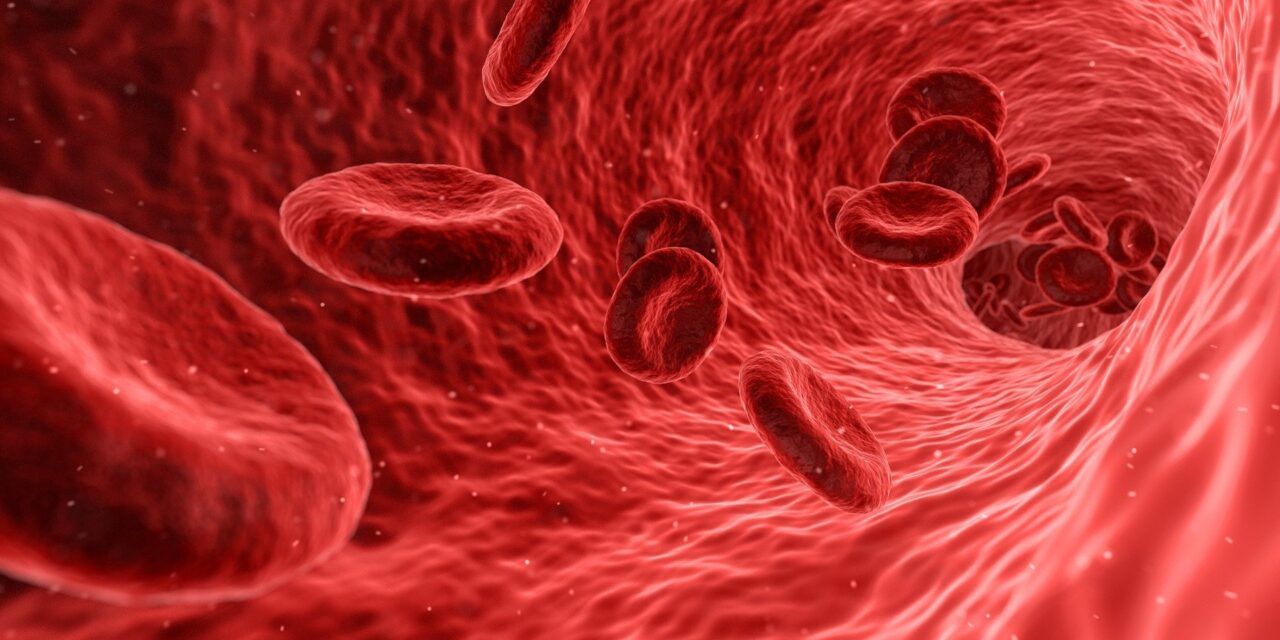
To appreciate the gravity of these findings, it is helpful to examine how maternal blood composition directly impacts fetal vitality. Haemoglobin acts as the body’s primary oxygen delivery vehicle. Think of maternal blood flow as a high-capacity transport network delivering essential oxygen and nutrients across the placental barrier to the developing fetus.
When a mother’s haemoglobin drops below healthy thresholds, the oxygen-carrying capacity of her blood is compromised. The fetus, which relies entirely on maternal oxygenation, experiences systemic hypoxia (oxygen deprivation).
“Placental tissue is exceptionally sensitive to chronic oxygen shortages,” explains Dr. Ananya Sharma, an independent maternal-fetal medicine specialist not involved in the study. “When maternal haemoglobin drops significantly, the placenta may struggle to function properly, leading to restricted fetal growth, distress, and in severe instances, fetal loss before labor even begins.”
Dr. Sharma adds that severe maternal anaemia often signals broader underlying nutritional deficiencies or systemic stress, which further complicates the intrauterine environment.
Contextualizing the Burden Across Regional and Global Landscapes
Anaemia during pregnancy remains an alarming global health challenge, particularly in low- and middle-income nations. However, the sheer burden in India makes this study uniquely impactful. With over half of the study’s participants presenting with moderate-to-severe forms of the condition, low haemoglobin is far from an isolated clinical exception; it represents a major public health priority.
The findings align with a growing body of regional literature:
-
The BJOG Multi-Country Study: A prospective cohort study in India and Pakistan published in BJOG: An International Journal of Obstetrics & Gynaecology observed that severe maternal anaemia was associated with a stillbirth rate of 90.9 per 1,000 births, compared to just 27.7 per 1,000 among mothers with normal haemoglobin.
-
The BMJ Open Health Survey: An analysis of over 886,000 women across nine Indian states found that mothers who reported gestational anaemia had 35% higher odds of stillbirth compared to non-anaemic mothers.
Crucially, researchers emphasize that not all gestational anaemia carries equal weight. Milder forms may not demonstrate the same dramatic escalation in fetal risk as severe cases, which is why clinical strategies must differentiate between mild, moderate, and severe depletion rather than treating anaemia as a uniform issue.
Study Limitations and Methodological Nuances
While the study’s vast dataset provides impressive statistical power, public health experts emphasize reading the results with balanced scientific objectivity.
-
Observational Nature: Because this was an observational study rather than a randomized controlled trial, it establishes a strong association between low haemoglobin and stillbirth, but cannot definitively establish direct cause and effect.
-
Confounding Variables: Unmeasured background factors—such as co-existing maternal infections, subtle nutritional gaps, maternal socioeconomic status, and systemic barriers to quality healthcare—may independently influence stillbirth rates.
-
Measurement Variations: Haemoglobin levels naturally fluctuate across the three trimesters as maternal blood volume expands. A single blood reading taken at one specific moment during pregnancy may not fully capture the progression or resolution of the condition over time.
Despite these recognized limitations, the study’s multi-state scope and strong sample size offer compelling evidence that addressing low blood count is vital for maternal and child health.
Actionable Takeaways for Patients, Families, and Healthcare Systems
Because anaemia is largely preventable and treatable, experts view these findings as an empowering call to action rather than a cause for alarm.
For Pregnant Individuals and Families
-
Prioritize Early Screening: Complete a Full Blood Count (FBC) test during the first trimester, or as soon as pregnancy is confirmed, to establish a baseline haemoglobin level.
-
Adhere to Clinical Guidance: If diagnosed with low haemoglobin, follow your obstetrician’s prescribed regimen. Treatment often involves therapeutic iron and folic acid supplements, tailored dietary modifications, and routine follow-up blood tests.
-
Recognize Symptoms Early: Fatigue, shortness of breath, pale skin, dizziness, or unusual heart palpitations should be promptly reported to a healthcare provider.
For Health Systems and Policymakers
-
Strengthen Community Outreach: Expand nutrition counseling, iron-folic acid supplementation programs, and mobile health clinics in underserved rural and peri-urban regions.
-
Early Registration: Encourage early antenatal care registration to identify and correct blood deficiencies well before the high-risk third trimester.
-
Comprehensive Care Models: Integrate routine anaemia management with screening for co-occurring conditions like malaria, helminth infections, and gestational diabetes to ensure holistic prenatal care.
References
https://health.economictimes.indiatimes.com/news/industry/moderate-to-severe-anaemia-linked-with-27-per-cent-higher-risk-of-stillbirth-in-india-study-finds/132923295?utm_source=top_story&utm_medium=homepage
Medical Disclaimer: This article is for informational purposes only and should not be considered medical advice. Always consult with qualified healthcare professionals before making any health-related decisions or changes to your treatment plan. The information presented here is based on current research and expert opinions, which may evolve as new evidence emerges.


Happy
0 %

Sad
0 %

Excited
0 %

Sleepy
0 %

Angry
0 %

Surprise
0 %