 0
0
 0
0
Read Time:5 Minute, 39 Second
NEW DELHI — In a comprehensive evaluation of India’s public health preparedness, the Parliamentary Standing Committee on Health and Family Welfare presented its 175th, 176th, and 177th reports on August 7, 2026. Addressing the persistent threat of vector-borne diseases (VBDs)—including dengue, malaria, chikungunya, Japanese encephalitis, and lymphatic filariasis—the parliamentary panel called for an immediate overhaul of the nation’s vector management strategy. The reports advocate for the rapid integration of new vaccines, advanced biological vector controls, artificial intelligence early-warning systems, and customized health frameworks tailored to high-risk areas like the North-Eastern Region (NER).
With seasonal outbreaks continuing to exact a heavy economic and human toll, the committee emphasized that traditional, fragmented approaches such as chemical fogging are yielding diminishing returns. Instead, the panel recommended a coordinated, multi-sectoral strategy with clear, phased timelines for the complete elimination of vector-borne illnesses across the country.
Moving Beyond Fogging: Modernizing Vector Control and Vaccination
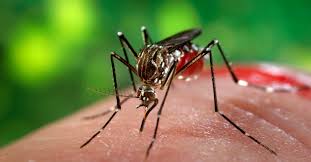
Vector-borne diseases are infections transmitted to humans by organisms such as mosquitoes, ticks, and blackflies. In India, environmental changes, rapid urbanization, and agricultural practices have created ideal breeding grounds for vector populations.
While acknowledging ongoing efforts under the National Centre for Vector Borne Disease Control (NCVBDC), the committee highlighted the limitations of relying heavily on chemical adulticides (fogging) and older insecticides like DDT, against which many mosquito species have developed resistance.
┌────────────────────────────────────────────────────────────────────────┐
│                   KEY RECOMMENDATIONS AT A GLANCE                       │
├────────────────────────────────────────────────────────────────────────┤
│ • Vaccine Deployment: Integrate QDenga (Dengue) into Universal        │
│   Immunization Programme when commercially available in mid-2027.       │
│ • Treatment Protocols: Establish ICMR-guided Standard Treatment        │
│   Protocols for advanced Dengue (Stages 3 & 4, DHF, DSS).              │
│ • Regional Focus: Deploy micro-level plans for the North-East; expand  │
│   Viral Research & Diagnostic Laboratories (VRDLs).                    │
│ • Technological Tools: Use drones for vector mapping, AI for hotspot   │
│   prediction, and digital tracking via IHIP.                           │
│ • Biological Controls: Shift to larvivorous fish, Sterile Insect       │
│   Techniques, and next-generation dual-active LLIN bed nets.           │
└────────────────────────────────────────────────────────────────────────┘
To achieve sustainable control, the report urges the government to prioritize biological and ecological interventions. These include introducing natural predators like larvivorous fish (which eat mosquito larvae), deploying Sterile Insect Techniques (SIT), and distributing next-generation Long-Lasting Insecticidal Nets (LLINs) treated with dual-active ingredients.
Addressing Vaccine and Clinical Protocol Deficits
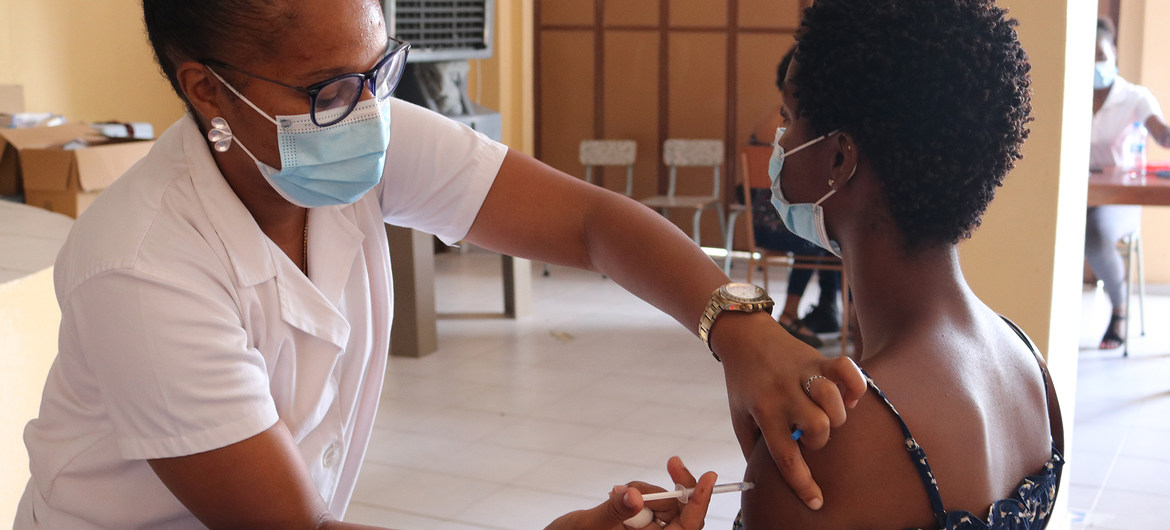
A central finding of the report is the stark gap in immunization against VBDs. Currently, Japanese Encephalitis (JE) is the only vector-borne disease included free of cost under India’s Universal Immunization Programme (UIP).
To bridge this gap, the committee strongly recommended:
-
Accelerated Dengue Vaccination: Following the approval of the QDenga vaccine by India’s central drug regulators (CDSCO and DCGI) for individuals aged 4 to 60 years, the panel advised the Ministry of Health to incorporate the two-dose vaccine into the UIP once it becomes commercially available in mid-2027.
-
Next-Gen Vaccine Platforms: Leveraging international partnerships and investing in novel delivery platforms—such as mRNA technology, viral vector platforms, nasal sprays, and microneedle patches—to streamline vaccine delivery to hard-to-reach populations.
-
Standard Treatment Protocols: Developing clear, standardized clinical guidelines, under the leadership of the Indian Council of Medical Research (ICMR), for managing severe dengue complications, including Dengue Hemorrhagic Fever (DHF) and Dengue Shock Syndrome (DSS).
Target-Focused Action in North-East India
The committee devoted significant attention to the North-Eastern Region (NER), where unique geography, dense forest cover, humid climates, shifting cultivation (jhum), and cross-border movement create perennial transmission zones.
“Aggregate national statistics often mask ground realities in diverse regions,” the committee noted, warning against “one-size-fits-all” public health models.
To address the disproportional burden on indigenous and tribal communities in the North-East, the panel urged the maintenance of disaggregated disease data categorized specifically by urban, rural, and tribal demographics.
   [ Environmental Factors ]      [ Socio-Demographic Factors ]
   (Humidity, Rainfall, Forests)  (Migration, Outdoor Livelihoods)
                  │                              │
                  ▼                              ▼
          ┌──────────────────────────────────────────────┐
          │  Disproportionate VBD Burden in North-East   │
          └──────────────────────────────────────────────┘
                  │                              │
                  ▼                              ▼
   [ Health System Gaps ]         [ Vector Dynamics ]
   (Diagnostic Delays, Staffing)  (Insecticide Resistance)
Deploying Drones, AI, and “One Health” Solutions
To overcome the terrain constraints of the North-East, the report outlines several innovative public health approaches:
-
Drone Surveillance: Utilizing heavily subsidized agricultural drones through the Namo Drone Didi initiative to map inaccessible larval habitats, deliver critical medical supplies, and apply localized biological larvicides.
-
AI Predictive Modeling: Integrating Indian Meteorological Department (IMD) weather forecasts with real-time fever and vector data on the Integrated Health Information Platform (IHIP). Machine learning algorithms will predict district-level outbreaks before they happen.
-
Cross-Border Coalitions: Establishing joint surveillance frameworks with neighboring countries (Bangladesh, Bhutan, and Myanmar) to monitor disease transmission across international borders, drawing inspiration from successful global frameworks like the Greater Mekong Subregion initiative.
-
“One Health” Zoonotic Isolation: Promoting strict environmental management near human settlements, such as enforcing a minimum 500-meter buffer zone between pigsties and residential dwellings to mitigate Japanese Encephalitis amplification.
Filling Critical Workforce and Infrastructure Gaps
The parliamentary panel expressed concern over operational gaps in ground-level healthcare delivery. In many endemic districts, critical technical posts—particularly qualified entomologists who study insect vectors and test for chemical resistance—remain vacant or filled by non-specialists.
To build institutional strength, the committee recommended:
-
Entomology Hiring Drive: Fast-tracking the recruitment of trained entomologists across all NCVBDC districts and establishing a dedicated North Eastern Regional Entomology Training Hub.
-
Diagnostic Expansion: Upgrading the network of Viral Research and Diagnostic Laboratories (VRDLs) in remote regions and deploying point-of-care, rapid multiplex diagnostic tests capable of detecting multiple infections simultaneously from a single blood sample.
-
Support for Healthcare Workers: Periodically reviewing and revising financial incentives for Accredited Social Health Activists (ASHAs) and Community Health Officers (CHOs), who conduct door-to-door fever surveillance and treatment tracking.
Public Health Road Ahead: The 2027 and 2030 Targets
India remains committed to eliminating malaria by 2030, with a target of reaching zero indigenous cases by 2027. The committee noted that reaching this milestone requires rigorous accountability, quarterly regional review meetings, and independent auditing of vector control funding against measurable health outcomes.
Ultimately, the parliamentary reports underscore that controlling vector-borne diseases is not merely a medical challenge, but a key requirement for economic and social development. By combining ground-level community mobilization with modern vaccines, digital surveillance, and environmental management, India can create a resilient defense against insect-borne epidemics.
Reference Section
Government & Parliamentary Reports
-
Parliamentary Standing Committee on Health and Family Welfare. (2026, August 7). 175th, 176th, and 177th Reports on Vector-Borne Diseases in India: Definition, Distribution & Management. Rajya Sabha Secretariat, Press Information Bureau (PIB), Delhi.
Medical Disclaimer: This article is for informational purposes only and should not be considered medical advice. Always consult with qualified healthcare professionals before making any health-related decisions or changes to your treatment plan. The information presented here is based on current research and expert opinions, which may evolve as new evidence emerges.


Happy
0 %

Sad
0 %

Excited
0 %

Sleepy
0 %

Angry
0 %

Surprise
0 %