 0
0
 0
0
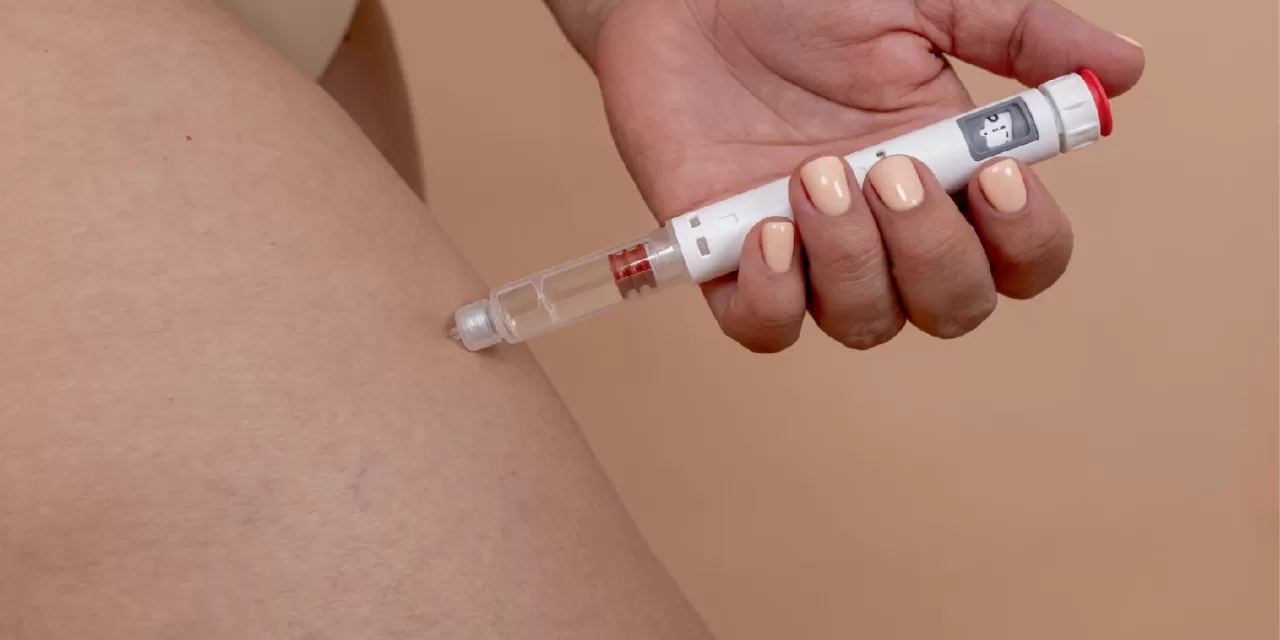
NEW DELHI — In what health experts are calling a “watershed moment” for public health in South Asia, the landscape of metabolic medicine in India has undergone a radical transformation this month. Following the March 2026 patent expiry of the blockbuster drug semaglutide, a wave of Indian pharmaceutical giants has launched high-quality, low-cost generic versions of the treatment.
With prices plummeting by nearly 80%, the move promises to bring world-class treatment for Type 2 diabetes and chronic weight management to millions who were previously priced out of the market. However, as “copycat” versions of global brands like Ozempic and Wegovy hit pharmacy shelves from Mumbai to Mizoram, medical authorities are issuing a dual message: one of unprecedented hope and a stern warning against supervised misuse.
The 2026 Shift: From Luxury to Local
For years, semaglutide—a glucagon-like peptide-1 (GLP-1) receptor agonist—remained a luxury therapeutic in India. Imported innovator pens often cost patients between ₹8,000 and ₹11,000 per month, a prohibitive expense in a country where most healthcare is paid out-of-pocket.
As of March 2026, the arrival of domestic versions from Sun Pharma, Zydus Lifesciences, Dr. Reddy’s Laboratories, and Natco Pharma has sparked a competitive “price war” that benefits the consumer.
The New Price Landscape
| Company | Brand (Indication) | Format | Est. Monthly Cost |
| Sun Pharma | Noveltreat (Obesity) | Weekly Injection | ₹3,600 – ₹8,000 |
| Sun Pharma | Sematrinity (Diabetes) | Weekly Injection | ₹3,000 – ₹5,200 |
| Zydus | SEMAGLYN | Multi-dose Pen | ~₹2,200 |
| Natco Pharma | Generic Semaglutide | Multi-dose Vial | ~₹1,290 |
Analysts predict that with over 40 more brands expected to enter the market by year-end, costs could stabilize as low as ₹1,500 per month, making the drug accessible to the middle class and potentially even public health formularies.
Why This Matters: A Dual Crisis
The timing of this pharmaceutical surge is critical. According to the ICMR-INDIAB study, India is home to an estimated 101 million people living with diabetes and another 136 million with pre-diabetes. Simultaneously, obesity rates have climbed, with one in four adults now classified as overweight.
“Affordable semaglutide can be transformative for high-risk patients,” says Dr. Anjali Mishra, a consultant endocrinologist in Mumbai. “We aren’t just talking about lowering blood sugar; we are talking about a drug that has proven cardiovascular benefits. In a population where heart disease occurs a decade earlier than in the West, this is a major victory for preventative care.”
The Clinical Evidence
The excitement is backed by robust data from global clinical programs:
-
SUSTAIN Trials: Showed significant glycemic control and a 26% reduction in the risk of major adverse cardiovascular events (MACE) in diabetic patients.
-
STEP Trials: Demonstrated that adults with obesity achieved an average weight loss of 15% to 16% over 68 weeks.
-
SELECT Trial: Noted a 20% reduction in heart attacks and strokes even in non-diabetic patients with heart disease.
The Risks: “Not a Magic Bullet”
Despite the enthusiasm, the medical community is sounding the alarm on the “lifestyle” branding of these drugs. On social media, semaglutide is frequently marketed as a “quick fix” for weight loss, leading to a surge in unsupervised use.
Common and Severe Side Effects
While generally safe under supervision, semaglutide can cause:
-
Gastrointestinal Issues: Nausea, vomiting, and diarrhea are common, especially during the initial “dose-escalation” phase.
-
Gastroparesis: Emerging reports of “stomach paralysis” or severe delayed gastric emptying have surfaced in cases of misuse.
-
Rare Complications: Potential risks include pancreatitis, gallbladder disease, and acute kidney injury due to dehydration.
“This is not a cosmetic treatment,” warned a leading bariatric surgeon in a recent NDTV briefing. “It must be part of a structured, long-term plan including medical evaluation, nutrition, and physical activity. When you stop the injection without lifestyle changes, the weight often returns.”
Public Health Implications and Equity
The democratization of GLP-1 therapy presents a massive opportunity for the Indian healthcare system to reduce long-term complications like kidney failure and amputations. However, health policy analysts worry about geographic equity.
If these drugs remain concentrated in urban private hospitals, the “pharmaceutical breakthrough” may bypass rural populations who rely on government-run primary health centers. Furthermore, the World Health Organization (WHO) has categorized the recommendation for GLP-1s in obesity as “conditional,” citing the need for robust monitoring and integrated behavioral interventions.
Practical Takeaways for Consumers
If you are considering semaglutide, keep the following in mind:
-
Prescription Only: It is a Schedule G drug in India and must be prescribed by a registered medical practitioner.
-
Medical History Matters: Your doctor must screen for history of medullary thyroid carcinoma or multiple endocrine neoplasia syndrome type 2 (MEN 2).
-
Lifestyle is Foundation: The drug works with a healthy diet and exercise, not instead of them.
-
Long-term Commitment: Managing obesity and diabetes is a marathon; expect to be monitored closely for several months or years.
As 2026 unfolds, India stands at a crossroads. The arrival of affordable, high-quality generic semaglutide offers a powerful tool to combat metabolic disease. However, its ultimate success will depend not on the price tag, but on the responsibility of the clinicians who prescribe it and the patients who use it.
Medical Disclaimer
Medical Disclaimer: This article is for informational purposes only and should not be considered medical advice. Always consult with qualified healthcare professionals before making any health-related decisions or changes to your treatment plan. The information presented here is based on current research and expert opinions, which may evolve as new evidence emerges.
References
- https://www.ndtv.com/health/indian-pharma-giants-launch-low-cost-generic-semaglutide-injections-for-diabetes-weight-management-11246898