 0
0
 0
0
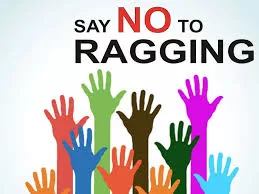
NEW DELHI — A prestigious pillar of Indian medical education is under intense scrutiny following explosive allegations of systemic “ragging” and financial extortion. In mid-March 2026, a series of viral social media accounts detailed a culture of toxicity within the Department of Orthopaedics at Maulana Azad Medical College (MAMC). The reports describe first-year postgraduate residents being forced into “rooster poses” (murga), subjected to physical abuse, and coerced into funding the daily meals of their seniors—a practice estimated to cost individual junior doctors up to ₹20,000 per month.
The controversy, which surfaced on X (formerly Twitter) on March 15, has reignited a national conversation regarding the mental health and physical safety of the nation’s frontline medical trainees. Despite a 2023 administrative circular from MAMC explicitly banning such “traditions,” the new allegations suggest that these punitive hierarchical structures remain deeply entrenched within one of India’s oldest and most respected medical institutions.
The Price of Residency: Financial and Physical Toll
At the heart of the scandal is an alleged system of financial exploitation. According to an anonymous resident whose account was corroborated by reports in the Times of India, junior residents (JRs) are rotating the responsibility of paying lunch and snack bills for senior residents, second- and third-year postgraduates, and interns.
For many trainees, these costs are unsustainable. While postgraduate stipends in Delhi are approximately ₹1,00,000 per month, the “meal tax” consumes a significant portion of their take-home pay. “I come from a lower-income family and have to borrow money from friends to pay my share,” one resident shared, highlighting how these practices disproportionately affect doctors from modest backgrounds.
Beyond the financial strain, the allegations detail a grueling physical environment:
-
Prohibition on Sitting: Juniors are reportedly banned from sitting during their shifts to “maintain work speed,” leading to premature back and knee injuries.
-
Public Humiliation: Minor clinical mistakes or delays in lab processing allegedly result in seniors forcing juniors into the “rooster pose”—a stress position—in front of patients and staff.
-
Physical Violence: Reports include instances of slapping and verbal abuse, often justified by seniors as a method of “toughening up” the next generation.
A Legacy of Failed Interventions
MAMC, established in 1958 and affiliated with Lok Nayak Hospital, is no stranger to these complaints. In December 2023, the college administration issued a formal directive ordering departments to investigate reports of residents being “compelled by their seniors to pay for snacks/meals.”
The recurrence of these allegations in 2026 suggests a breakdown in internal oversight. “Nothing has changed,” the viral post lamented, pointing to a cycle of abuse where yesterday’s victims become today’s perpetrators. This “generational trauma” is often defended by seniors who claim they endured the same treatment, framing it as a rite of passage rather than a violation of human rights.
The Data: Medical Colleges as Ragging Hotspots
The MAMC incident is a symptom of a much larger epidemic within Indian medical education. Data from the Society Against Violence in Education (SAVE) for the 2022-2024 period reveals a staggering disparity. While medical students make up only 1.1% of the total student population in India, they account for:
-
38.6% of all complaints to the national anti-ragging helpline.
-
45.1% of ragging-related deaths.
According to SAVE, the rate of ragging incidents per student is 30 times higher in medical colleges than in any other field. Furthermore, a 2023 study published in PMC found that 75% of Indian doctors have faced some form of workplace violence, with 73.3% reporting significant mental health impacts, including depression and suicidal ideation.
Expert Perspectives: A Threat to Public Health
Medical professionals and advocates warn that this “toxic culture” is not just an internal academic matter; it is a public health crisis.
Dr. Lakshya Mittal, National President of the United Doctors’ Front (UDF), who previously filed a Right to Information (RTI) request revealing 88 PG ragging complaints to the National Medical Commission (NMC) between 2023 and 2025, emphasized the danger to patient safety.
“These toxic cultures undermine learning and patient care,” Dr. Mittal noted. “They foster burnout in an already stressed workforce.”
Psychiatrists further argue that when residents—who handle complex trauma surgeries and joint replacements—are sleep-deprived, physically pained, and fearful of their superiors, the risk of clinical error increases exponentially. The erosion of empathy caused by such abuse can lead to a “hardened” workforce, potentially diminishing the quality of patient-doctor interactions for decades to come.
Regulatory Framework and Barriers to Justice
The National Medical Commission (NMC) has had “Prevention and Prohibition of Ragging Regulations” in place since 2009. These regulations mandate that:
-
Institutions must form anti-ragging committees and squads.
-
Anonymous complaint mechanisms must be provided.
-
First Information Reports (FIRs) must be filed with the police within 24 hours of a confirmed incident.
Punishments for those found guilty include fines of up to ₹10,000, suspension, or up to two years of imprisonment. However, enforcement remains inconsistent. Many juniors fear that reporting abuse will lead to academic sabotage or “blacklisting” within their specialty, as senior residents and consultants hold significant power over their surgical training and career opportunities.
The Path Forward: From Endurance to Ethics
While MAMC and the NMC have not yet released official findings regarding the March 2026 allegations, the medical community is calling for structural reform. Recommendations from advocacy groups like SAVE and the Indian Medical Association (IMA) include:
-
Independent Oversight: Moving anti-ragging committees outside the influence of departmental heads.
-
Digital Monitoring: Implementing anonymous reporting apps that bypass hospital hierarchy.
-
Mental Health Support: Mandating accessible, confidential counseling for all resident doctors.
As India continues to struggle with a doctor-to-population ratio of roughly 1:1,457 (falling short of the WHO’s 1:1,000 recommendation), the retention and well-being of its medical trainees are paramount.
“The goal of residency should be surgical and clinical excellence, not survival of the fittest in a psychological sense,” says Dr. Rakesh Gupta, an IMA leader. “We must transform medical training from an endurance test into ethical professional preparation.”
References
-
Medical Dialogues. (2025). NMC RTI Response on PG Ragging Complaints. [RTI Data Disclosure].
Medical Disclaimer: This article is for informational purposes only and should not be considered medical advice. Always consult with qualified healthcare professionals before making any health-related decisions or changes to your treatment plan. The information presented here is based on current research and expert opinions, which may evolve as new evidence emerges.