 0
0
 0
0
NEW DELHI — In a major milestone for public health infrastructure, India has fully operationalized 12,500 specialized traditional medicine facilities under its primary healthcare network. The announcement, released by the Ministry of Ayush on August 4, 2026, marks the successful completion of a national drive to integrate traditional systems—including Ayurveda, Yoga, Unani, Siddha, and Homeopathy—into the country’s public health delivery model.
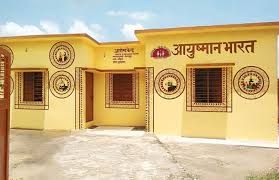
Under the Centrally Sponsored Scheme of the National Ayush Mission (NAM), existing standalone dispensaries and rural sub-health centers across the nation have been upgraded into Ayushman Arogya Mandir (Ayush), previously known as Ayush Health & Wellness Centres.
The initiative aims to shift the public health system from reactive disease management toward a proactive, preventive wellness framework by offering citizens a choice between conventional allopathic care and evidence-informed traditional therapies.
Infrastructure Expansion and Operational Reach
According to official data submitted to Parliament by Union Minister of State (I/C) for Ayush, Shri Prataprao Jadhav, 100% of the target 12,500 approved units have been made fully operational across 36 States and Union Territories.
Key Highlights of the Expansion
-
National Coverage: Upgrades spanned diverse geographies, ranging from 2,019 functional centers in Rajasthan and 1,034 in Uttar Pradesh, to smaller operational units across the North Eastern states and Union Territories.
-
Capital Allocation: The Ministry allocated dedicated financial assistance per facility at a unit cost of ₹16.22 lakhs for Ayush Dispensaries and ₹15.744 lakhs for Sub-Centres to modernize equipment, restock pharmacies, and train personnel.
-
Secondary OPD Integration: Beyond dedicated Ayushman Arogya Mandir facilities, traditional medicine Outpatient Departments (OPDs) have been embedded across the broader health grid, operating out of 3,648 public hospitals and 40,269 general dispensaries nationwide (based on Ministry baseline data).
National Ayush Integration Summary
┌─────────────────────────────────────────────────────────┐
│ Operational Ayushman Arogya Mandir (Ayush)    : 12,500  │
│ Public Hospitals Offering Ayush OPD Services   : 3,648   │
│ Public Dispensaries Offering Ayush OPD Services: 40,269  │
└─────────────────────────────────────────────────────────┘
What Services Do These Centres Provide?
The upgraded Ayushman Arogya Mandir (Ayush) centers operate on a team-based primary care framework. Rather than replacing conventional medicine, these facilities introduce standardized wellness protocols designed to address chronic, non-communicable diseases (NCDs) like hypertension, diabetes, and lifestyle-related ailments.
Key services available to patients at these centers include:
-
Prakriti Parikshan: Standardized Ayurvedic constitutional assessment to evaluate individual metabolic profiles and risk factors for chronic disease.
-
Therapeutic Yoga: On-site and community-led Yoga instruction designed for cardiovascular health, stress reduction, and joint mobility.
-
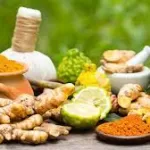
Herbal Medicine & Education: Guidance on the evidence-informed use of common medicinal plants, alongside access to standardized botanical formulations.
-
Integrated Care Coordination: Frontline healthcare workers, including Accredited Social Health Activists (ASHAs), connect community members to local centers and help coordinate referral links to higher-level hospitals when allopathic intervention is required.
According to state-level reporting, beneficiary footfalls at these health centers have increased substantially following the upgrade, driven largely by community-level preventive programs and localized health awareness drives.
Quality Control and Clinical Oversight
To address historical concerns regarding clinical standards and practitioner qualifications, the Ministry has introduced multi-tiered monitoring and accreditation processes.
“Integrating traditional systems into primary care requires rigorous standardization. By mandating National Accreditation Board for Hospitals & Healthcare Providers (NABH) assessments and third-party reviews, the ministry is taking a necessary step toward uniform care quality,” says Dr. Anita Sharma, a public health policy specialist not affiliated with the government report. “The real test will be maintaining continuous medicine supplies and ensuring cross-referral pathways between Ayush and conventional medical doctors remain seamless.”
Key quality-assurance mechanisms currently deployed include:
-
NABH Assessment: Clinical and operational auditing to standardize patient safety protocols.
-
Third-Party Audits: Independent evaluations to verify facility readiness, hygiene standards, and service delivery consistency.
-
Central Review Teams: On-site visits by expert teams to evaluate practitioner performance and suggest targeted capacity-building workshops.
Public Health Implications and Practical Guidance
For patients, the expanded rollout means broader options at the primary care level. Individuals managing mild chronic conditions, stress, or lifestyle-related symptoms can access non-pharmacological therapies—such as structured Yoga sessions or lifestyle counseling—free of cost at their nearest primary facility.
However, medical experts emphasize that integrative medicine should be approached thoughtfully.
Key Recommendations for Patients
├── 1. Disclose All Treatments
│   └── Always inform both allopathic doctors and Ayush practitioners
│       about all medicines and supplements you are taking.
├── 2. Avoid Self-Medication
│   └── Obtain botanical formulations solely through qualified
│       medical practitioners to prevent drug interactions.
└── 3. Seek Immediate Care for Acute Conditions
    └── Acute infections, severe trauma, and emergency medical events
        require immediate evaluation at an emergency allopathic facility.
While integrative health models offer benefits for wellness and chronic disease prevention, public health researchers note potential limitations. Variances in regional infrastructure, the need for continuous training of frontline workers like ASHAs, and the necessity of robust scientific trials for herbal combinations remain ongoing focus areas as the network matures.
Medical Disclaimer
Medical Disclaimer: This article is for informational purposes only and should not be considered medical advice. Always consult with qualified healthcare professionals before making any health-related decisions or changes to your treatment plan. The information presented here is based on current research and expert opinions, which may evolve as new evidence emerges.
References
-
Press Information Bureau (PIB) Delhi. Integration of Ayush Services into Ayushman Arogya Mandir. Statement issued on behalf of the Ministry of Ayush, Government of India. Published August 4, 2026.