 0
0
 0
0
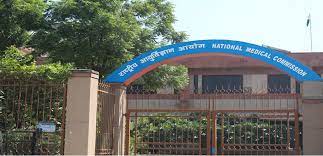
NEW DELHI — In a major policy shift aimed at restructuring how medical training expands in India, the National Medical Commission (NMC) has proposed eliminating the long-standing requirement for new medical colleges to obtain a state-issued “Essentiality Certificate.”
The draft amendment, unveiled in early August 2026, aims to bypass multi-layered bureaucratic hurdles by replacing state government clearances with a primary focus on university affiliation and rigorous central regulatory assessments. While proponents argue the move will dramatically shorten approval timelines and expand the workforce, medical policy experts caution that removing local state oversight could impact the equitable distribution of healthcare resources and compromise the quality of clinical training.
What the Proposed Policy Changes
Under the proposed modifications to the NMC’s Establishment of New Medical Institutions, Starting of New Medical Courses, Increase of Seats for Existing Courses and Assessment & Rating Regulations, prospective institutions will no longer need to submit a state-level Essentiality Certificate (EC) or No-Objection Certificate (NOC) before applying to open their doors.
Historically, the EC served as a foundational prerequisite. Issued by individual state or Union Territory health departments, it required local authorities to certify three core elements:
-
Desirability: Verifying whether a new college was actually needed in that specific geographic area based on local doctor-to-population ratios.
-
Feasibility: Assessing if the region possessed adequate infrastructure and patient loads to support medical training.
-
Clinical Viability: Confirming that the proposed teaching hospital had access to an adequate patient population to afford students hands-on clinical exposure.
Under the new regulatory draft, this requirement is removed entirely. Instead, the application pipeline hinges directly on obtaining a formal Consent of Affiliation from an established health university alongside direct compliance reviews conducted by the NMC’s Undergraduate Medical Education Board (UGMEB).
Balancing Speed and Regional Equity
India faces a persistent demand to increase its physician workforce and address geographic disparities in healthcare access. Supporters of the NMC’s deregulatory push highlight that the traditional EC process often subjected new medical colleges to red tape and administrative delays that lasted months—or even years—before construction could begin.
By streamlining the application pipeline, the regulatory body seeks to encourage private and public investment in medical education, helping the country meet its long-term goals for undergraduate MBBS seat expansion.
“If an applicant institution meets all mandated criteria regarding land ownership, hospital capacity, faculty strength, and financial stability, requiring a duplicate layer of state-level clearance is an unnecessary hurdle,” notes Dr. Rajesh Verma, a senior healthcare policy analyst based in New Delhi. “Streamlining this administrative process allows capable institutions to open faster without sacrificing structural integrity.”
However, public health experts emphasize that the Essentiality Certificate was not merely an administrative formality; it served as a vital tool for regional health planning. Without state-level oversight, new medical colleges might concentrate in prosperous urban centers where private demand is high, rather than expanding into rural or underserved districts where healthcare infrastructure is most critically needed.
Public Health Context: Quantity Versus Quality
The draft proposal comes at a critical juncture for Indian medical education. The country has rapidly expanded its training capacity over the last decade, yet the balance between rapid growth and educational quality remains a delicate debate.
While the proposed rule drops the requirement for a state EC, it leaves intact the core physical and administrative requirements:
-
Fully functional 300+ bed teaching hospitals (scaled to student intake).
-
Mandated faculty-to-student ratios across preclinical, paraclinical, and clinical departments.
-
Minimum land and infrastructure footprints verified by physical and biometric audits.
Medical educators stress that a medical college is fundamentally different from other higher education institutions—it relies on a living healthcare ecosystem. Writing in a peer-reviewed commentary published in the Indian Journal of Medical Ethics, medical education specialist Dr. Arun Babu emphasized that rapid capacity expansion must not outpace clinical readiness:
“Policy changes that prioritize numerical growth in medical seats must be balanced by rigorous safeguards. Opening new institutions without verified patient volume, experienced faculty, and adequate bedside teaching risks producing graduates who lack clinical confidence.”
Traditional Approval Pipeline vs. Proposed NMC Framework

[Traditional Path]
Applicant Institution ➔ State Essentiality Cert. ➔ University Affiliation ➔ NMC Review/Inspection
                            │
                            └──> Evaluates regional doctor shortages & hospital feasibility

[Proposed Draft Framework]
Applicant Institution ➔ University Consent of Affiliation ➔ Direct NMC Assessment & Approval
Potential Limitations and Open Questions
Because the proposal remains in the draft stage, the NMC has opened a public commentary window to gather feedback from state governments, medical associations, health professionals, and university representatives before issuing a final notification.
Several regulatory and practical questions remain unresolved:
-
Compensating for Local Knowledge: How will the NMC assess local patient demand and clinical feasibility without input from state health departments?
-
Post-Approval Enforcement: Will the regulator increase surprise inspections and real-time faculty tracking to prevent “paper colleges”—institutions that meet basic standards on paper but lack functioning hospital wards?
-
Indirect State Levers: States may still retain informal influence through local municipal clearances, environmental approvals, and university affiliation protocols.
What This Means for Students and Healthcare Consumers
For prospective medical students and families, the rule change could eventually result in a higher total number of MBBS seats across the country, potentially easing the intense competition for undergraduate medical admissions.
For the general public, however, the real-world impact will depend on implementation. Increasing the total number of medical graduates only improves public health if those graduates receive high-quality clinical training and are distributed where patients need them most.
As the NMC reviews public feedback, the central challenge remains clear: ensuring that cutting administrative red tape expands medical education without compromising the standard of care.
References
-
Medical Dialogues. “NMC draft amendment scraps essentiality certificate requirement for setting up new medical colleges.” Published August 4, 2026. https://medicaldialogues.in/health-news/nmc/nmc-draft-amendment-scraps-essentiality-certificate-requirement-for-setting-up-new-medical-colleges-176454
Medical Disclaimer: This article is for informational purposes only and should not be considered medical advice. Always consult with qualified healthcare professionals before making any health-related decisions or changes to your treatment plan. The information presented here is based on current research and expert opinions, which may evolve as new evidence emerges.