 0
0
 0
0
NEW DELHI — In an era dominated by high-cost disease management and rising rates of non-communicable conditions, global health systems are increasingly forced to look downstream at prevention rather than just cure. A massive, multi-country public health initiative recently highlighted how traditional medicine is seeking to meet that demand through rigorous standardization and systemic integration.
The Ministry of Ayush announced key milestones from the 10th annual Ayurveda Day, held at the All India Institute of Ayurveda (AIIA) in Goa under the theme “Ayurveda for People and Planet.” Beyond symbolic celebrations, the government officially notified September 23 as the permanent calendar date for Ayurveda Day and launched several infrastructure and digital initiatives aimed at institutionalizing traditional medicine into modern public health frameworks.
With outreach spanning 32 Indian States and Union Territories and educational activities reported across more than 150 countries, the initiative reflects a coordinated “Whole-of-Government” strategy to bring traditional preventive health into mainstream clinical care.
Bridging Traditional Medicine and Clinical Infrastructure
A primary objective of the latest initiative is bridging ancient therapeutic concepts with modern medical standards. At the flagship event in Goa—graced by Goa Governor Shri Pusapati Ashok Gajapathi Raju, Chief Minister Dr. Pramod Sawant, and Union Minister of State for Ayush Shri Prataprao Jadhav—officials inaugurated several clinical support facilities designed to meet hospital accreditation norms:
-
Integrative Oncology Unit: A specialized center created to study and deliver supportive Ayurvedic care alongside standard oncological therapies, focusing on symptom management, quality of life, and palliative care.
-
Central Sterile Supply Department (CSSD) & Blood Storage Units: Modern clinical infrastructure upgrades to ensure traditional medicine facilities maintain standard safety, sanitation, and surgical protocols.
-
Hospital Linen Processing & Care Unit: Standardizing operational hygiene across modern traditional medicine hospitals.
                  +-------------------------------------------------+
                  |   STRENGTHENING TRADITIONAL MEDICINE (AYUSH)    |
                  +-------------------------------------------------+
                                           |
         +---------------------------------+---------------------------------+
         |                                                                   |
  [ Clinical Upgrades ]                                              [ Public Health Outreach ]
  • Integrative Oncology Units                                       • "Desh ka Swasthya Parikshan"
  • Modern Sterilization (CSSD)                                        (Nationwide Preventive Screening)
  • Standardized Blood & Hygiene Facilities                           • Free NCD & Geriatric Rural Camps
                                                                     • Herbal Plant Distribution & Ecology
Screening and Standardization: Nationwide Launches
To transition traditional medicine from anecdotal wellness to evidence-based preventive care, the Ministry launched several key regulatory, digital, and public health projects:
1. “Desh Ka Swasthya Parikshan” (Nationwide Health Assessment)
This national campaign focuses on population-level preventive health assessments, screening individuals for early risk factors associated with non-communicable diseases (NCDs) such as metabolic syndrome, hypertension, and diabetes.
2. Standardization of Intellectual Property (CGPDTM Guidelines)
The Office of the Controller General of Patents, Designs, and Trade Marks (CGPDTM) released official Guidelines for Examining Ayush Related Interventions. This document provides clearer frameworks for patent examiners to evaluate traditional formulations, helping prevent biopiracy while encouraging formal scientific research and development.
3. Digital Repositories: DRAVYA and APTA
Developed by the Central Council for Research in Ayurvedic Sciences (CCRAS):
-
DRAVYA Portal: A digitized retrieval system designed to offer standardization metrics, chemical profiles, and scientific data on medicinal substances for researchers and pharmacologists worldwide.
-
APTA Website: An educational platform documenting historic and contemporary luminaries in Ayurveda to preserve heritage knowledge.
Expert Perspectives: Bridging Evidence and Tradition
While traditional practices enjoy widespread popularity in South Asia, mainstream integration into global medical consensus requires rigorous scientific validation. Independent experts emphasize both the promise and the boundaries of incorporating traditional modalities into public health systems.
“The integration of traditional preventive practices into public health infrastructure offers a powerful tool for wellness and primary prevention,” says Dr. Aris Thorne, MD, an independent global health policy researcher not involved in the Ayush initiatives. “However, the primary challenge remains rigorous clinical validation. Traditional frameworks excel at lifestyle modification and stress reduction, but they must complement, not replace, established diagnostic screening and evidence-based standard treatments for chronic illness.”
Researchers highlight that integrative approaches—such as using dietary modifications or botanical support alongside conventional care—must adhere to standard safety protocols.
“Standardization tools like the DRAVYA database are a step in the right direction,” notes Dr. Elena Rostova, PhD, a clinical pharmacologist specializing in botanical medicines. “Documenting chemical compositions and interactions is essential to prevent adverse herb-drug interactions, particularly when patients undergo concurrent therapies like chemotherapy or cardiovascular management.”
Public Health Outreach and Limitations
Across participating regions, local health departments conducted thousands of free diagnostic and consultation camps targeting non-communicable diseases, geriatric health, and maternal-child care in underserved rural areas. Concurrently, environmental activities—such as community herbal garden installations and urban medicinal plant distribution—emphasized the eco-health link embedded in the 2025 theme.
Challenges and Considerations
-
Need for Double-Blind Clinical Trials: While observational data and traditional use are well-documented, global health authorities like the World Health Organization (WHO) emphasize that botanical interventions require randomized controlled trials (RCTs) to verify efficacy and safety profiles.
-
Risk of Delayed Conventional Care: Public health experts caution that preventive drives must clearly instruct patients that traditional therapies should not delay necessary medical evaluation for acute, life-threatening, or complex progressive conditions.
-
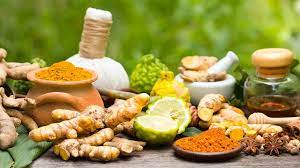
Quality Control in Herbal Supply: Expanding global access requires strict enforcement against heavy metal contamination and pesticide residues in commercially available herbal supplements.
Practical Takeaways for Consumers
For individuals interested in integrating traditional preventive strategies into their daily routines, medical experts advise a balanced, safety-first approach:
-
Inform Your Primary Physician: Always notify your primary healthcare provider before starting any herbal supplement, especially if taking prescription medications for high blood pressure, diabetes, or blood thinning.
-
Focus on Lifestyle Foundations: Traditional systems emphasize daily routine (Dinacharya), sleep hygiene, balanced nutrition, and physical activity—practices supported by modern lifestyle medicine.
-
Verify Practitioner Credentials: Consult registered, certified practitioners of traditional systems rather than relying on unverified online advice or over-the-counter claims.
References
-
Press Information Bureau (PIB), Government of India. Ayurveda Day and Promotion of Preventive Healthcare. Ministry of Ayush, Statement released Aug 4, 2026.
- Medical Disclaimer: This article is for informational purposes only and should not be considered medical advice. Always consult with qualified healthcare professionals before making any health-related decisions or changes to your treatment plan. The information presented here is based on current research and expert opinions, which may evolve as new evidence emerges.