 0
0
 0
0
JAIPUR — A high-stakes extortion attempt disguised as a terror threat sent shockwaves through Rajasthan’s healthcare system on Wednesday, May 13, 2026. A threatening call demanding ₹40 crore (approximately $4.8 million) forced an intensive security sweep of the Sawai Man Singh (SMS) Hospital, one of North India’s largest and busiest public medical facilities. While the threat was ultimately declared a hoax, the incident has reignited urgent discussions regarding the vulnerability of healthcare infrastructure and the cascading medical risks associated with security disruptions.
The alarm was raised early Wednesday morning when police received an alert claiming that explosives had been planted throughout the hospital campus. The caller warned of an imminent explosion unless the ransom was paid immediately. Local law enforcement, supported by specialized bomb disposal squads and cyber-crime units, mobilized a massive search operation across the facility. Following an exhaustive sweep, authorities confirmed that no explosive devices were present. A suspect has since been traced to Haryana and detained for questioning.
Anatomy of the Incident: Rapid Mobilization and Detection
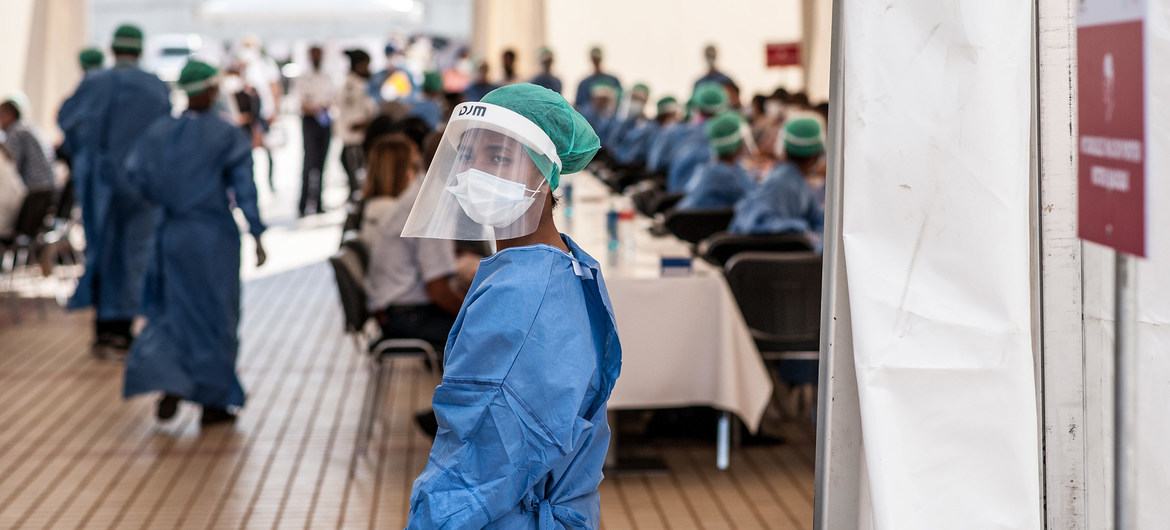
The response at SMS Hospital was immediate. Because the facility manages thousands of outpatients and thousands more in-patient beds daily, a total evacuation was deemed a last resort due to the high density of critically ill patients. Instead, security teams conducted a “layered search,” prioritizing high-traffic areas and sensitive zones like the Intensive Care Units (ICUs) and neonatal wards.
“Any credible bomb threat to a hospital must be treated as a high-priority public-safety incident,” says Dr. R. K. Sharma, an emergency medicine physician not involved in the incident. “Hospitals concentrate vulnerable patients, many of whom cannot be quickly evacuated or moved without risking medical harm. You aren’t just moving people; you are moving life-support systems.”
According to investigative reports, the breakthrough came via the Jaipur Police cyber team. By analyzing the digital footprint of the call, investigators traced the signal to a location in Haryana. Working with local authorities in the neighboring state, Jaipur police detained a male suspect who is currently being transported back to Rajasthan for formal interrogation.
A Growing Pattern of Disruptive Hoaxes
This incident is not an isolated event. Over the past several months, Jaipur has seen a troubling rise in hoax threats targeting high-profile institutions. In early 2026, multiple hospitals and schools in the city received anonymous emails claiming bomb placements, all of which were later debunked.
Security analysts suggest that hospitals are frequently targeted because of the high level of panic such threats generate. A senior security analyst advising regional healthcare groups noted that while the “threat” may be fake, the operational strain is very real. “Rapid, coordinated responses between hospital administration, local police, and cyber teams are essential to protect patients and preserve the chain-of-care while investigations proceed,” the analyst explained.
The Hidden Medical Cost of Security Threats
While the physical danger of an explosion was absent at SMS Hospital, the clinical impact of such a threat can be profound. Even in a hoax, the disruption of hospital routine carries tangible health risks:
-
Interruption of Care: Emergency triage can be delayed, and elective surgeries may be postponed as staff are diverted to assist security teams or prepare for potential evacuations.
-
Psychological Trauma: Threats of violence provoke intense anxiety among patients and their families. For healthcare workers already facing high workloads, these incidents contribute to burnout and a sense of insecurity in the workplace.
-
Resource Diversion: The deployment of bomb squads, the diversion of incoming ambulances to other facilities, and the temporary suspension of diagnostic services impose significant financial and logistical costs on public hospitals with limited resources.
“The primary harms in these incidents are often security-related, but we cannot ignore the indirect medical consequences,” notes a public health report. “A ten-minute delay in a cardiac intervention or a stroke protocol due to a security lockdown can be the difference between recovery and permanent disability.”
Protecting the “Healing Zone”: Policy and Preparation
In response to the rising frequency of such threats, India’s Ministry of Health and Family Welfare has previously issued advisories urging hospitals to strengthen their internal security frameworks. These recommendations include:
-
Security Committees: Establishing dedicated teams to oversee emergency protocols.
-
Controlled Access: Implementing stricter visitor policies and CCTV coverage to monitor hospital entry points.
-
Police Liaison: Maintaining direct, high-speed communication lines with local law enforcement to verify threats quickly.
For patients and caregivers caught in such a situation, experts recommend remaining calm and following the instructions of hospital staff. “Do not share unverified messages on social media,” advises Dr. Sharma. “Panic spreads faster than a virus, and it often does more damage to hospital operations than the threat itself.”
Looking Ahead: Investigation and Accountability
As the suspect from Haryana undergoes questioning, investigators are looking into whether this was a lone-wolf extortion attempt or part of a broader campaign. Balancing transparency with operational security remains a challenge; while the public demands information, officials must ensure that sensitive investigative methods are not compromised.
For the patients at SMS Hospital, the day ended with a return to normalcy, but the incident serves as a stark reminder: in the modern healthcare landscape, security is not just a secondary concern—it is a fundamental component of patient safety.
Practical Takeaways for the Public
-
Follow Official Channels: During a security event, rely on announcements from hospital administration or verified police social media handles.
-
Do Not Self-Evacuate: Patients on critical monitoring or IV drips should never attempt to leave a ward without consulting nursing staff, as abrupt movement can cause medical emergencies.
-
Report Suspicious Activity: Vigilance from visitors—such as reporting unattended bags—helps security teams clear areas more efficiently.
Medical Disclaimer: This article is for informational purposes only and should not be considered medical advice. Always consult with qualified healthcare professionals before making any health-related decisions or changes to your treatment plan. The information presented here is based on current research and expert opinions, which may evolve as new evidence emerges.
References
Journalistic & Statistical Sources:
-
“Bomb threat to Jaipur hospital triggers panic, caller detained,” The Economic Times, May 13, 2026.