 0
0
 0
0
Published: May 14, 2026
The global landscape of skin health is facing a looming “silver tsunami” of malignancy. According to a comprehensive global analysis of cancer registry data and the Global Burden of Disease (GBD) study released mid-May 2026, the total burden of skin cancer—encompassing melanoma, basal cell carcinoma (BCC), and squamous cell carcinoma (SCC)—is projected to rise substantially through 2050. Driven primarily by aging populations and shifting regional demographics, the findings suggest that without significant intervention in prevention and diagnostic infrastructure, healthcare systems worldwide may struggle to keep pace with a surge in disability-adjusted life years (DALYs) and new diagnoses.
The Rising Tide: Key Findings and Projections
The analysis, which synthesized data from 204 countries and territories, paints a sobering picture of the next quarter-century. Researchers used Bayesian age–period–cohort models to forecast trends, identifying a stark upward trajectory in disease burden.
The data highlights a significant shift in three primary metrics:
-
Melanoma: Projected DALYs (a measure of years lost to premature death and disability) are expected to climb from approximately 2 million in 2025 to over 3.3 million by 2050.
-
Squamous Cell Carcinoma (SCC): This more aggressive form of non-melanoma skin cancer is anticipated to see DALYs more than triple, rising from 1.2 million to 4.0 million.
-
Basal Cell Carcinoma (BCC): The most common form of skin cancer is expected to approach 5 million DALYs by 2050, with some models suggesting a 140% increase in cases among adults aged 65 and older.
Regional trends reveal a complex geographical shift. While North America saw a slight 10.5% decline in melanoma metrics—likely due to decades of aggressive public health campaigning—the same region experienced a staggering 154.1% increase in SCC incidence and a 34.6% rise in BCC. Conversely, regions like East Asia and Andean Latin America have seen melanoma rates skyrocket by more than 250% since 1990, reflecting changes in life expectancy and perhaps increased UV exposure.
Understanding the “Why”: Aging and Access
The primary engine behind these numbers is not necessarily a sudden change in the sun’s intensity, but rather a fundamental shift in human biology and demographics.
“We are seeing a convergence of two factors,” says Dr. Priya Menon, Associate Professor of Dermatology at the All India Institute of Medical Sciences (AIIMS), New Delhi, who was not involved in the study. “First, the global population is aging. Skin cancer is often the result of cumulative UV damage over decades, so as people live longer, the likelihood of developing these cancers increases exponentially. Second, as low- and middle-income regions improve their healthcare infrastructure, we are simply getting better at finding and recording cases that previously went undiagnosed.”
The study utilized DALYs to provide a more holistic view than mortality rates alone. Because keratinocyte cancers (BCC and SCC) are rarely fatal if caught early but often require extensive surgery and follow-up care, the “burden” is measured in the long-term impact on a patient’s quality of life and the economic strain on health systems.
Context and Background: Melanoma vs. Keratinocyte Cancers
To understand the public health challenge, it is essential to distinguish between the two main categories of skin cancer:
-
Melanoma: Originating in the pigment-producing melanocytes, it is the least common but most lethal form due to its ability to spread rapidly to other organs.
-
Keratinocyte Cancers (BCC and SCC): Often grouped as “non-melanoma” skin cancers, these are far more prevalent. While BCC rarely spreads, SCC carries a higher risk of metastasis if left untreated.
Historically, skin cancer was viewed as a “high-income country problem,” associated with fair-skinned populations in regions like Australia, the US, and Northern Europe. However, the new analysis confirms that the burden is shifting toward low- and middle-sociodemographic index (SDI) nations. In these regions, rising life expectancy means more people are reaching the ages where skin cancers typically manifest, often in areas where dermatological specialized care is scarce.
Public Health Implications: A Call to Action
The projected rise in skin cancer cases carries significant weight for global health policy. Experts identify three pillars for mitigating the 2050 forecast:
1. Primary Prevention and Education
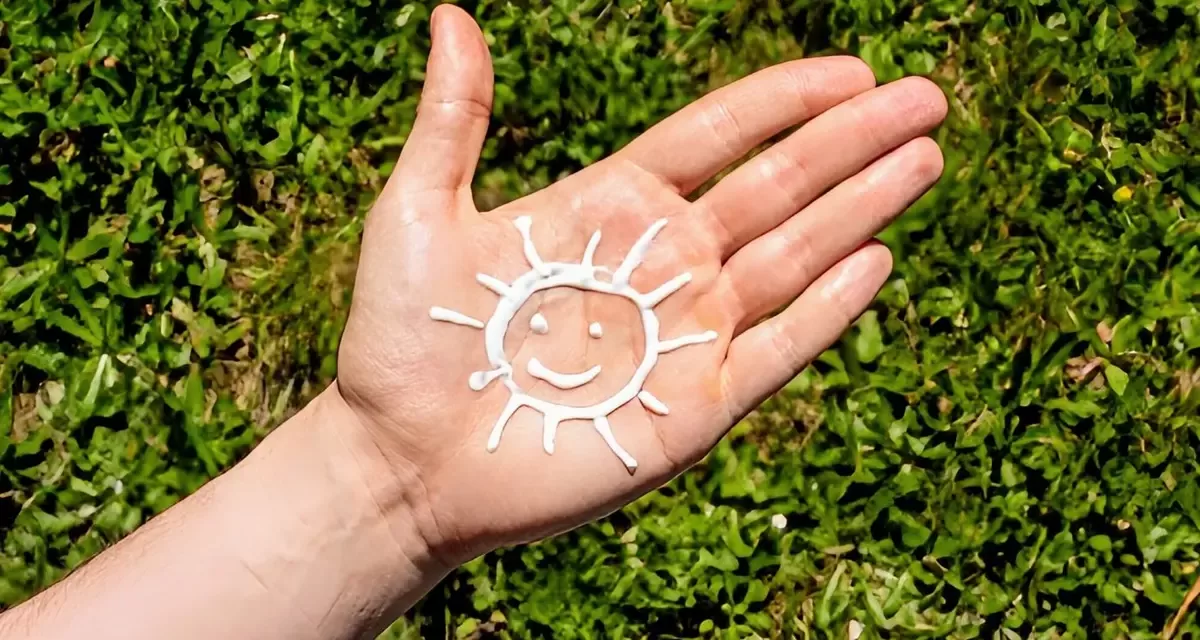
The data underscores the urgent need for sun-protection education. This includes traditional “Slip, Slop, Slap” campaigns (clothing, sunscreen, and hats), but also occupational safeguards for outdoor workers and stricter regulations on tanning-bed use, which remains a significant risk factor in many developing economies.
2. Expanding Treatment Capacity
Health systems in emerging economies must prepare for a surge in “geriatric dermatology.” This requires investment in surgical training, dermatopathology (the study of skin disease at a microscopic level), and the availability of modern therapies like Mohs surgery or targeted immunotherapies.
3. Surveillance and Registration
“You cannot manage what you do not measure,” Dr. Menon notes. Improved cancer registries in Africa, Southeast Asia, and Latin America are vital for tracking whether prevention efforts are actually working or if new environmental factors are at play.
Limitations and the “Detection Paradox”
While the data is robust, researchers acknowledge certain limitations. Projections are based on current trends and do not account for potential “black swan” events, such as breakthroughs in vaccine technology or radical shifts in global climate policy that could alter UV exposure.
Furthermore, there is the “Detection Paradox.” As diagnostic access improves in developing nations, the reported incidence of skin cancer will naturally rise. This may reflect a “true” increase in disease, but it also reflects a victory for medical outreach—catching cancers that would have otherwise remained hidden.
What This Means for You: Practical Steps
For the individual reader, the 2050 projections are a reminder that skin health is a lifelong investment. Dermatologists recommend:
-
The “Broad-Spectrum” Rule: Use sunscreens that protect against both UVA and UVB rays, with an SPF of at least 30.
-
Physical Barriers: Seek shade between 10:00 AM and 4:00 PM and utilize UV-protective clothing.
-
The ABCDE Check: Regularly monitor moles for Asymmetry, Border irregularity, Color variation, Diameter (larger than 6mm), and Evolution (changing over time).
-
Professional Screening: If you have a history of significant sun exposure or a family history of skin cancer, an annual full-body skin check by a professional is advised.
“These projections are plausible, but they are not destiny,” concludes Dr. Menon. “By prioritizing early detection and sensible sun habits today, we can significantly flatten the curve of this global burden.”
Medical Disclaimer: This article is for informational purposes only and should not be considered medical advice. Always consult with qualified healthcare professionals before making any health-related decisions or changes to your treatment plan. The information presented here is based on current research and expert opinions, which may evolve as new evidence emerges.
References
- https://www.medscape.com/viewarticle/global-skin-cancer-burden-projected-surge-through-2050-low-2026a1000fed