 0
0
 0
0
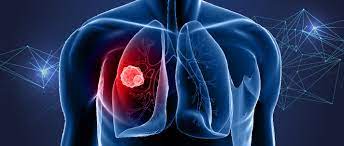
February 12, 2026 — Researchers have discovered a sophisticated “hacking” mechanism by which lung tumours actively exploit the nervous system to evade the body’s immune defenses. According to a groundbreaking study published in Nature, lung tumours can recruit and reprogram sensory nerves to send signals directly to the brain. The brainstem then transmits sympathetic signals back to the tumour site, releasing chemicals that effectively blindfold local immune cells and prevent them from destroying the cancer. This newly mapped loop accelerated tumour growth in mice and appears to be conserved in human tissue samples, offering a paradigm shift in how scientists view the relationship between cancer and the host nervous system.
The “Tumour-Brain-Tumour” Axis: Key Findings
For decades, oncology focused primarily on the mutations within cancer cells themselves. Later, the advent of immunotherapy shifted attention to the surrounding microenvironment, particularly how immune cells interact with tumours. This new study introduces a third critical player: the nervous system.
The research team identified a bidirectional, multi-organ signaling loop—a “tumour $\rightarrow$ brain $\rightarrow$ tumour” axis:
-
Sensory Recruitment: Lung tumours recruit nearby sensory neurons, including branches of the vagus nerve, and reprogram them to transmit distress or regulatory signals up to the brainstem.
-
The Brain’s Response: Upon receiving these signals, brainstem centers interpret them and trigger a return signal via the sympathetic (fight-or-flight) nervous system.
-
Immune Suppression: The return sympathetic nerves release norepinephrine directly into the tumour microenvironment. This neurotransmitter binds to immune cells, altering their function and severely reducing their ability to recognize and kill cancer cells.
To test the strength of this neural circuit, the researchers genetically inactivated the identified sensory neurons in mouse models. The results were biologically striking: severing this communication line reduced tumour growth by more than half (>50%), demonstrating that the nervous system acts as a potent accelerator of malignancy when manipulated by a tumour.
The study authors also examined human tissue samples and neural markers. They reported cellular and structural evidence consistent with this pathway’s presence in human patients, providing a crucial bridge from the lab bench toward clinical relevance.
Neuroimmune Communication: From Passenger to Driver
“This study maps an entire bidirectional tumour-neural pathway that promotes tumour growth,” noted Dr. Catherine Dulac, a Professor of Molecular and Cellular Biology at Harvard University and an independent neurobiology expert not involved in the research. Dr. Dulac emphasized that the findings are highly relevant to human health because they illustrate just how deeply integrated cancer is with systemic physiology.
Experts writing commentaries alongside the study note that this discovery expands upon prior breakthroughs. For example, research published in late 2025 demonstrated that small-cell lung cancer (SCLC) can form direct, synapse-like connections with neurons to feed on growth-promoting signals.
However, while previous studies looked at localized, direct “neuron-to-cancer” cross-talk, this new Nature paper reveals a grander, systemic exploitation of the central nervous system. The nervous system is no longer viewed as a passive bystander watching a tumour grow, but rather as an active, structural participant whose systemic circuitry is hijacked to shield the disease from the immune system.
Public Health and Future Treatment Horizons
The public health and clinical implications of this work are broad, potentially expanding the toolkit of oncologists beyond traditional chemotherapy, radiation, and canonical immunotherapy (such as checkpoint inhibitors). By mapping the specific neural pathways and chemical messengers involved, scientists have unlocked new therapeutic targets.
[Lung Tumour] ──(Sensory Nerves / Vagus)──> [Brainstem Centers]
      ▲                                             │
      │                                             ▼
[Immune Suppression] <──(Norepinephrine)─── [Sympathetic Return]
In principle, drugs designed to modulate the autonomic nervous system or block specific neurotransmitter receptors could be paired with existing therapies to boost their efficacy.
Because many medications that influence sympathetic signaling—such as beta-blockers—are already widely prescribed for hypertension and cardiovascular disease, the study raises an intriguing possibility: Could common, affordable neuroactive drugs be repurposed as add-on cancer therapies? While epidemiologists have previously noted statistical correlations between beta-blocker use and improved outcomes in certain cancers, experts emphasize that using them specifically to disrupt this newly discovered lung cancer axis remains speculative until formal human clinical trials are designed and executed.
Limitations and Alternative Viewpoints
While the oncology community has welcomed the study as a milestone in neuro-oncology, researchers urge balanced optimism and caution against overinterpreting the findings.
Preclinical vs. Clinical Realities
The primary, mechanistic data in this study were derived from genetically engineered and transplant mouse models. Animal models are invaluable for tracing complex neural circuits, but human immune systems and neuroanatomy possess vastly different structural nuances. A greater than 50% reduction in mouse tumours does not automatically translate to a similar clinical benefit in human patients.
Tumour Heterogeneity
Cancer is not a monolithic disease. Different types of lung cancer may interact with the nervous system in fundamentally distinct ways. For instance, non-small-cell lung cancer (NSCLC) may rely heavily on the systemic “tumour-brain-tumour” immune-silencing loop, whereas small-cell lung cancer (SCLC) might rely more on direct, localized synaptic connections with nerves.
What This Means for Patients and Next Steps
For individuals currently navigating a lung cancer diagnosis, or for their loved ones, it is vital to understand that these findings do not alter immediate clinical care or standard treatment guidelines today. The discovery represents an essential foundational brick for the treatments of tomorrow, rather than an active medical option for current patients.
Before this work changes standard clinical practices, the scientific community must undertake several critical translational steps:
-
Validation: The pathway must be verified across much larger, diverse human patient cohorts.
-
Safety Profiling: Researchers must evaluate the side effects of interfering with neural circuits. The vagus nerve and sympathetic system regulate vital, everyday survival functions—including heart rate, digestion, and systemic blood pressure. Blockading these pathways to treat a tumour must be done with extreme molecular specificity to avoid dangerous autonomic side effects.
-
Clinical Trials: Early-phase human trials will be required to safely test whether combining neural-pathway blockers with standard immunotherapies yields better patient survival rates.
Ultimately, this research adds a profound piece to a growing scientific consensus: tumours survival relies on co-opting the body’s host systems. By learning exactly how cancer speaks to the brain, science is getting closer to learning how to cut the phone lines.
Reference Section
- https://medicalxpress.com/news/2026-07-lung-cancer-tumors-hijacking-nervous.html
Medical Disclaimer: This article is for informational purposes only and should not be considered medical advice. Always consult with qualified healthcare professionals before making any health-related decisions or changes to your treatment plan. The information presented here is based on current research and expert opinions, which may evolve as new evidence emerges.