 0
0
 0
0
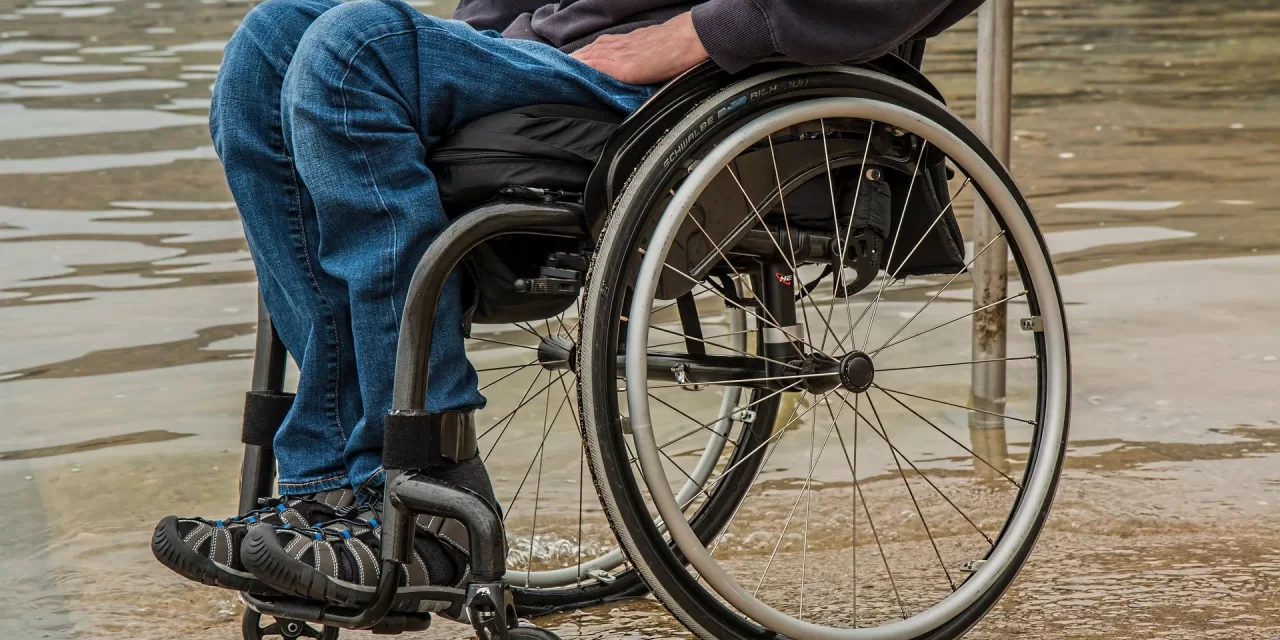
COPENHAGEN, Denmark — In a major effort to tackle the global disparity in medical device access and curb mounting healthcare waste, the World Health Organization (WHO) Regional Office for Europe has released landmark guidance urging nations to integrate circular-economy principles into their healthcare infrastructure. The new guidelines advocate for the systematic repair, refurbishment, and recycling of essential assistive products, such as manual wheelchairs, walking aids, and shower chairs.
Released on July 1, 2026, the guidance arrives at a critical juncture. Globally, more than 2.5 billion people currently require at least one assistive device. Due to a rapidly aging population and a rise in chronic, noncommunicable diseases, that number is projected to skyrocket to 3.5 billion by 2050. By establishing structured, safe pipelines to extend the lifecycle of these essential items, health authorities aim to dramatically lower procurement costs, reduce the environmental footprint of medical waste, and bridge the staggering equity gap in patient care.
The Three R’s of Assistive Technology
The new WHO/Europe framework, titled “Repair, recycle and refurbishment of assistive products: for self‑care and mobility products,” breaks down its strategy into three distinct, complementary pillars. Each approach can be scaled independently depending on a country’s existing infrastructure:
-
Repair: Restoring the functionality of a device for its current user, preventing premature disposal.
-
Refurbishment: Sanitizing, repairing, and safety-testing used devices so they can be safely reissued to entirely new patients.
-
Recycling: Stripping down products that have reached the definitive end of their operational life to recover valuable raw materials, like metals and high-grade plastics.
The guidance specifically targets high-volume, essential self-care and mobility items. These include manual wheelchairs, walking frames, rollators, shower/bath chairs, toilet chairs, and commodes. Rather than offering abstract policy goals, the WHO has provided practical, open-source toolkits. These include standardized templates for clinical referral pathways, rigorous quality assurance checklists, and inventory management protocols for spare parts.
Bridging the Global Access Gap
The public health implications of this framework are deeply rooted in health equity. Currently, the disparity in assistive technology access is one of the most stark divisions in global healthcare. According to data from the WHO, in certain high-income countries, up to 90% of individuals who need assistive devices have access to them. Conversely, in low-resource settings, that figure plummets to a mere 3%.
By creating a sustainable supply of refurbished equipment, health systems can significantly expand their inventory without needing to exponentially increase their procurement budgets.
Dr. Maria González, an independent rehabilitation specialist who was not involved in drafting the WHO guidance, emphasizes the practical economic benefits of the framework.
“Extending product life through safe refurbishment and repair can both improve availability and relieve intense budget pressure on health services,” Dr. González noted in an interview. “When health systems don’t have to constantly purchase brand-new equipment for every single patient, they can reallocate those funds to expand community outreach, hire more technicians, and improve overall patient care.”
This strategy aligns closely with the foundational priorities established in the WHO’s landmark Global Report on Assistive Technology, which called for systemic overhauls in workforce capacity and innovative financing to make assistive services universally accessible.
Overcoming Safety, Structural, and Cultural Barriers
While the economic and environmental benefits of a circular medical economy are clear, the WHO acknowledges that transition presents significant hurdles. A primary concern for health providers is safety and infection control. To address this, the guidance mandates strict, standardized protocols for hygienic handling, structural testing, and meticulous documentation before any refurbished device is permitted to reach a patient.
However, the report notes that not all devices are candidates for reuse. High-risk clinical items, customized orthotics, and bespoke prosthetics are generally excluded due to individual wear patterns, complex customization needs, and heightened infection risks.
Furthermore, implementing these programs requires specialized infrastructure. Many health systems currently lack the trained workforce, steady supply chains for spare parts, and regulatory oversight necessary to run a safe refurbishment operation. Building this capacity will require targeted, upfront investments from governments and healthcare funders.
Finally, health systems must navigate cultural perceptions. In many communities, a deeply ingrained stigma surrounds the use of secondhand medical equipment, with some patients equating used items with inferior care. The WHO stresses that consumer choice and dignity must remain central to these programs. Refurbished devices should never be forced upon a patient; instead, policies must prioritize transparent communication, user consent, and guaranteed quality assurance to build public trust.
What This Means for Patients and Providers
For everyday consumers, families, and caregivers, the establishment of certified national or regional refurbishment programs offers a safe, highly affordable alternative to purchasing expensive, brand-new mobility aids out-of-pocket. Families can confidently accept refurbished devices, provided the local programs strictly adhere to the WHO’s inspection and hygiene checklists.
For clinicians and community service providers, the WHO’s standardized templates offer a ready-made framework to streamline care. Doctors and physical therapists can use these tools to easily identify when a patient’s current device needs a minor repair rather than a total replacement, helping stretch limited institutional budgets.
Looking Ahead
The global medical community will be watching closely as implementation pilots roll out across various WHO European Member States. Early operational models in Iceland, Norway, and Romania have already demonstrated that structured device reuse is highly viable when backed by robust national policy.
Moving forward, the true test of the guidance will lie in its scalability. Tracking data regarding device durability, adverse safety events, user satisfaction rates, and net cost savings will be essential. If these European pilots prove scalable, they could provide a crucial blueprint for middle- and low-income nations, ultimately turning medical waste into an engine for global health equity.
References
Study Citations & Policy Documents
-
WHO/Europe. (2026). Repair, recycle and refurbishment of assistive products: for self‑care and mobility products. Copenhagen: WHO Regional Office for Europe. Document number: WHO/EURO:2026-13398-53172-83114.
Medical Disclaimer: This article is for informational purposes only and should not be considered medical advice. Always consult with qualified healthcare professionals before making any health-related decisions or changes to your treatment plan. The information presented here is based on current research and expert opinions, which may evolve as new evidence emerges.