 0
0
 0
0
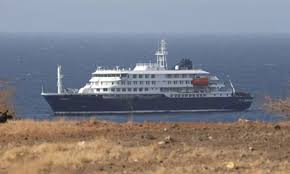
CANARY ISLANDS — Spanish health authorities and the World Health Organization (WHO) confirmed this week that a cluster of hantavirus infections linked to the cruise ship MV Hondius has grown to 11 confirmed cases. The update follows the mid-May 2026 diagnosis of a Spanish passenger who was evacuated from the vessel. To date, three deaths have been confirmed among those infected, sparking international contact tracing efforts even as global health officials urge calm.
A Developing Situation at Sea
The cluster, which first came to light on May 2, 2026, involves passengers and crew members of the MV Hondius, a vessel carrying approximately 147 people at the time of the initial report. What began as a handful of severe respiratory illnesses has now evolved into a multi-country investigation.
According to the latest laboratory results, six of the 11 confirmed infections have been specifically identified as Andes virus (ANDV). This discovery is significant; while most hantaviruses are transmitted solely from rodents to humans, the Andes strain is one of the few capable of person-to-person transmission.
The WHO’s Disease Outbreak News currently assesses the risk to the global population as low. However, for those remaining on the ship or recently evacuated, the immediate risk is considered moderate, prompting rigorous isolation protocols and notifications under the International Health Regulations (IHR 2005) framework.
Understanding the Virus: Why Andes Virus is Different
Hantaviruses are a family of viruses spread mainly by rodents—specifically through contact with their urine, droppings, or saliva. In humans, these viruses typically manifest in two ways: Hemorrhagic Fever with Renal Syndrome (HFRS) or the more severe Hantavirus Pulmonary Syndrome (HPS).
The Andes virus falls into the latter category. HPS is a respiratory disease that can escalate with frightening speed. Patients often experience “flu-like” symptoms—fever, cough, and muscle aches—that rapidly progress to fluid in the lungs, respiratory failure, and shock.
“Andes virus requires heightened vigilance because of its documented potential for limited human-to-human spread and its high case-fatality rate,” explains Dr. Maria González, an infectious diseases specialist not involved in the current investigation. “Unlike other strains where you only worry about rodent exposure, here we must prioritize prompt isolation and exhaustive contact tracing to break the chain of transmission.”
The Numbers: Statistics and Mortality
While the total number of cases remains small, the severity of the illness has drawn significant attention.
-
Total Confirmed Cases: 11
-
Confirmed Deaths: 3
-
Primary Strain: Andes virus (ANDV)
-
Initial Fatality Signal: Early reports suggested a case-fatality ratio of roughly 38% among the first eight cases.
Experts caution that in small sample sizes, these percentages can be volatile. As more passengers are screened and milder cases are potentially identified, the mortality rate may stabilize. Nevertheless, the three confirmed deaths underscore the virus’s lethal potential when medical intervention is delayed.
Public Health Response and Expert Perspectives
The response has been described as a coordinated international effort. Passengers have been evacuated, screened, and, where necessary, placed in dedicated quarantine facilities.
“The actions of public health teams in this cruise-linked outbreak are like firefighters containing a localized blaze,” says a WHO spokesperson. “Through rapid detection (the fire alarm), isolation (the firebreak), and contact tracing (checking nearby structures), we prevent the flames from spreading to the wider neighborhood.”
Despite the gravity of the deaths, health officials emphasize that this is not a cause for general panic. The WHO’s assessment of “low global risk” reflects the fact that the virus is currently contained within a specific group of travelers and their immediate contacts.
What This Means for You
For Travelers:
If you have recently traveled on the MV Hondius or have been in close contact with someone who has, you must monitor your health closely. Should you develop a fever, severe muscle aches, or shortness of breath, seek medical care immediately and—crucially—inform your healthcare provider of your travel history.
For the General Public:
Routine daily activities remain safe. The risk of contracting hantavirus in daily life is exceptionally low and is generally tied to cleaning up rodent-infested areas (like old sheds or cabins). To stay safe:
-
Seal gaps in your home to keep rodents out.
-
Use disinfectant when cleaning areas where rodents may have been; avoid stirring up dust by sweeping or vacuuming.
-
Practice standard hand hygiene.
For Healthcare Providers:
Clinicians should maintain a high index of suspicion for HPS in patients presenting with rapid-onset respiratory distress, especially if they have a history of travel to the Canary Islands or recent cruise activity.
Limitations and Uncertainties
The investigation is ongoing, and data is still being gathered. One of the primary uncertainties is the exact extent of person-to-person transmission in this specific cluster. While the Andes virus can spread between humans, health authorities are still determining if the current 11 cases resulted from a common environmental source (like a rodent infestation on the ship) or if the virus spread from passenger to passenger.
As laboratory sequencing and contact tracing continue, these figures and the understanding of the virus’s behavior may shift.
Medical Disclaimer: This article is for informational purposes only and should not be considered medical advice. Always consult with qualified healthcare professionals before making any health-related decisions or changes to your treatment plan. The information presented here is based on current research and expert opinions, which may evolve as new evidence emerges.
References
- https://health.economictimes.indiatimes.com/news/industry/spain-reports-new-hantavirus-case-in-passenger-from-cruise-ship-as-total-cases-grow-to-11/131059557?utm_source=top_story&utm_medium=homepage