 0
0
 0
0
NEW DELHI — In a major move to bolster international health security, India has announced a financial pledge of $10 million to support emergency preparedness, field response, and long-term recovery efforts across Africa. The commitment was delivered by Union Health Minister J.P. Nadda on Tuesday during a high-level Virtual Summit convened by the African Union (AU). The summit gathered global heads of state and international partners to formulate a unified strategy against a critical re-emergence of Ebola virus disease on the continent.
With the threat of cross-border transmission rising, the international community is ramping up its collaborative mechanisms. India’s pledge accompanies a broader call from G7 leaders and partner nations—including Kenya, Egypt, and the Republic of Korea—for a rapid, coordinated global response to suppress localized outbreaks before they expand into a full-scale public health emergency.
Direct Aid and Logistics Take Flight
The financial commitment marks an expansion of India’s active participation in global health logistics. Beyond the newly pledged $10 million, the Indian government confirmed it has already shipped and delivered 45 tonnes of essential medical supplies to affected regions.
According to official briefings from the Ministry of Health and Family Welfare, these shipments are tailored to fulfill the acute needs identified by the Africa Centres for Disease Control and Prevention (Africa CDC). The packages include:
-
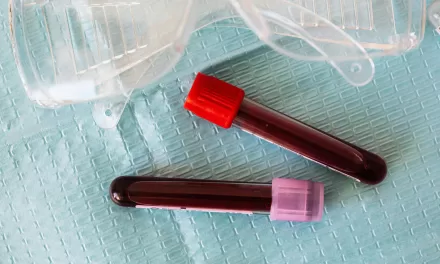
Diagnostic kits and laboratory materials to accelerate case identification.
-
Broad-spectrum essential medicines to manage secondary symptoms and stabilize patients.
-
Personal Protective Equipment (PPE) for frontline healthcare workers.
-
Targeted nutritional support designed to assist individuals undergoing intensive medical care.
“India stands firm to provide further assistance to fulfill nutrition, medicinal, and essential needs as per the requirements of Africa CDC and countries at risk,” Health Minister Nadda stated following the session. He emphasized that the strategy transitions from immediate material supply to long-term structural reinforcement through technical collaborations and capacity-building programs inside African health institutions.
Understanding the Clinical Challenge: The Bundibugyo Strain
The current viral threat stems primarily from the re-emergence of the Bundibugyo virus strain, a distinct member of the Ebolavirus genus. To put the clinical urgency into perspective, Ebola viruses cause viral hemorrhagic fever—a severe illness that disrupts the body’s clotting mechanisms, causing profound internal fluid loss and systemic organ failure.
The Bundibugyo strain presents unique hurdles for public health authorities compared to the more frequently documented Zaire strain. While highly effective vaccines and monoclonal antibody treatments have been successfully deployed against the Zaire strain in recent years, the same tools do not offer protection against Bundibugyo.
Currently, there are no approved vaccines or targeted antiviral treatments specifically indicated for the Bundibugyo virus. Medical teams on the ground must rely entirely on optimized supportive care. This involves aggressive intravenous fluid replacement, maintaining blood pressure, managing pain, and treating secondary infections. This lack of a specific pharmaceutical shield explains why international health agencies view the current cross-border spread in the Democratic Republic of the Congo (DRC) and Uganda with heightened concern.
Geopolitical Alignment and Public Health Implications
The Virtual Summit, chaired by the African Union Chairperson and President of Burundi, Évariste Ndayishimiye, highlights a growing consensus that regional outbreaks require global defense strategies. Epidemic containment is no longer viewed as a localized issue, but as an essential element of international biosecurity.
Epidemiologists note that human migration patterns, trade networks, and regional instability can turn a localized outbreak into a transnational crisis within days. By injecting capital and medical infrastructure directly into the primary zones of transmission, international partners hope to establish a robust containment perimeter.
This model of intervention relies heavily on building local laboratory capacities. When medical staff can verify a suspected case of Ebola within hours rather than days, contact tracing teams can isolate individuals quickly, breaking the chain of transmission before the virus penetrates dense urban centers or crosses international borders.
Expert Perspectives and Critical Limitations
Independent global health analysts point out that while multimillion-dollar financial injections and cargo planes of medical supplies are necessary, they represent only one half of a successful containment strategy.
Public health experts emphasize that top-down financial aid must be paired with deep community engagement on the ground. During previous outbreaks, external medical interventions occasionally faced local skepticism or resistance due to cultural traditions surrounding caregiving and burial practices. For an international response to work, resources must be channeled through local community leaders who can effectively communicate safety protocols, build trust, and reduce fear.
Additionally, some policy analysts caution that rapid emergency funding should not substitute for sustained, year-round investments in basic healthcare infrastructure. Developing robust, everyday healthcare clinics across vulnerable districts creates a natural early-warning system. Without functional primary care clinics, early cases of rare pathogens often go unnoticed, allowing an outbreak to gain momentum before international aid is triggered.
The Path Forward
The collaboration between India, the African Union, and G7 partners signals a highly proactive stance on infectious disease management. For the general public worldwide, this intervention serves as a reminder of how interconnected modern health tracking has become. Suppressing a dangerous pathogen at its source is the most effective method to ensure long-term health security across all continents.
As the emergency response unfolds, the focus will shift toward the execution of these pledges—ensuring that laboratory supplies reach remote field hospitals and that technical training transforms into a stronger, more resilient network of global health defense.
Reference Section
-
Primary Source: The Economic Times (ETHealthworld). “India pledges $10 million for Ebola response at African Union’s Virtual Summit.” Published June 17, 2026.
Medical Disclaimer: This article is for informational purposes only and should not be considered medical advice. Always consult with qualified healthcare professionals before making any health-related decisions or changes to your treatment plan. The information presented here is based on current research and expert opinions, which may evolve as new evidence emerges.