 0
0
 0
0
April 20, 2026
For more than sixty years, the “lipid panel” has been the gold standard of heart health. Millions of patients annually wait for their results, focusing primarily on one number: LDL cholesterol, the so-called “bad” cholesterol. However, a landmark simulation study published in JAMA on April 18, 2026, suggests we may have been looking at the wrong metric all along.
Researchers from Northwestern University have found that measuring apolipoprotein B (ApoB)—a protein that acts as a “fingerprint” for harmful fat particles—is significantly more effective at preventing heart attacks and strokes than traditional LDL monitoring. By modeling outcomes for 250,000 U.S. adults, the study concludes that switching to ApoB-guided therapy could not only save more lives but also prove more cost-efficient for a strained healthcare system.
What is ApoB and Why Does It Matter?
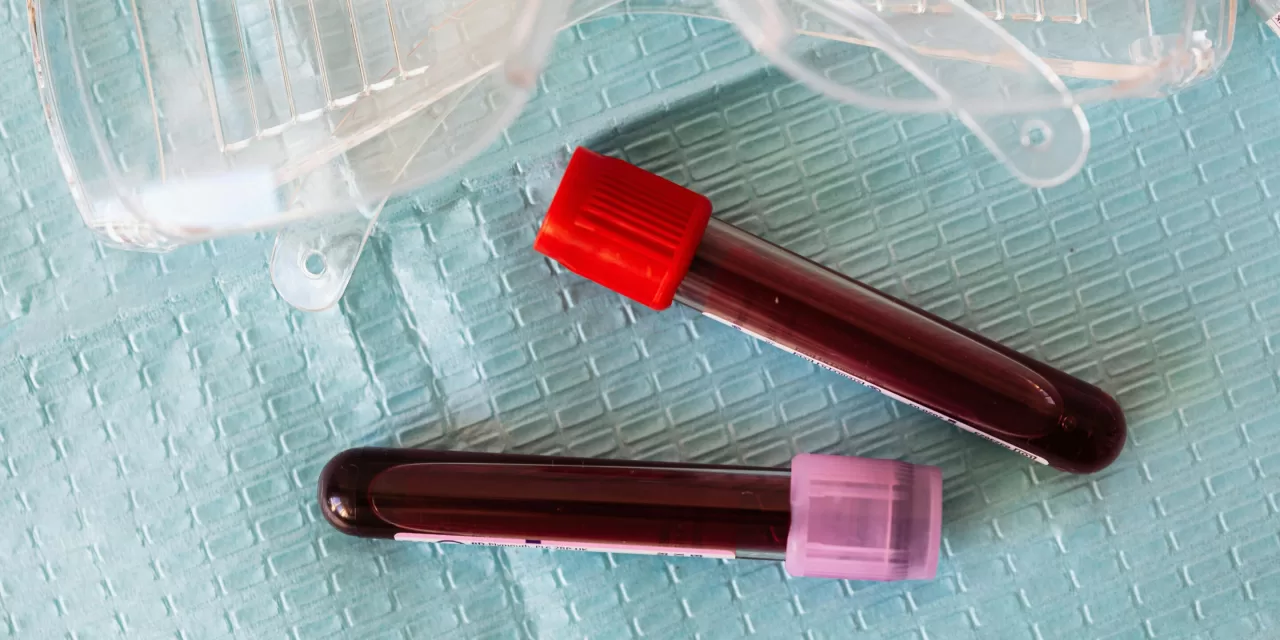
To understand why ApoB is gaining traction, one must look past the weight of cholesterol and toward the particles that carry it. Traditional LDL-C tests measure the mass (milligrams per deciliter) of cholesterol within certain lipoproteins. In contrast, an ApoB test counts the number of particles.
Every single potentially “atherogenic” (plaque-forming) particle—including LDL, VLDL, and IDL—carries exactly one ApoB protein. This makes ApoB a direct tally of the “delivery trucks” in the bloodstream that deposit fat into artery walls.
“Think of it like traffic on a highway,” explains Dr. Thomas Dayspring, a renowned lipid specialist and fellow of the National Lipid Association, who was not involved in the study. “Traditional LDL testing tells you the total weight of the cargo being carried. ApoB tells you exactly how many trucks are on the road. It is the trucks that crash into the arterial walls and cause damage, not the weight of the cargo itself.”
While the U.S. Centers for Disease Control and Prevention (CDC) notes that roughly 11% of adults have high total cholesterol, many individuals with “normal” LDL levels still suffer heart attacks. This phenomenon, known as discordance, often occurs when a person has a high number of small, dense LDL particles. Because these particles are small, they don’t weigh much (keeping LDL-C low), but because they are numerous, the ApoB count remains dangerously high.
Key Findings: More Lives Saved, Lower Costs
The Northwestern University study, led by Dr. Ciaran Kohli-Lynch, utilized a sophisticated computer simulation to project lifetime health outcomes for 250,000 statin-eligible U.S. adults. The team compared three distinct strategies for intensifying treatment:
-
Targeting LDL cholesterol goals (e.g., <100 mg/dL)
-
Targeting non-HDL cholesterol goals
-
Targeting ApoB levels (typically <80-100 mg/dL)
The results were definitive. ApoB-guided care prevented the highest number of cardiovascular events. Furthermore, the strategy was found to be highly cost-effective, coming in well under the $100,000 threshold per quality-adjusted life year (QALY) gained—a standard metric for healthcare value.
“We found that ApoB testing to intensify cholesterol-lowering medication would prevent more heart attacks and strokes than current practice,” Dr. Kohli-Lynch stated. He noted that the precision of ApoB allowed clinicians to better identify which patients required stronger statin doses or the addition of non-statin therapies like ezetimibe.
Expert Perspectives: A Shift in the Guidelines?
Despite the compelling data, medical experts are calling for a measured transition rather than an overnight overhaul of clinical practice.
Dr. Samia Mora, Director of the Center for Lipid Metabolomics at Brigham and Women’s Hospital, suggests a middle-ground approach. She advocates for patients to have their ApoB tested at least once to ensure their LDL results aren’t providing a false sense of security. “ApoB should be tested to ensure alignment with LDL screening,” Dr. Mora noted in a recent commentary.
However, the 2026 multi-society dyslipidemia guidelines, while acknowledging ApoB’s superiority as a risk marker, stop short of mandating it as the primary target for all patients. Much of this hesitation stems from “clinical inertia”—the long-standing familiarity and massive infrastructure built around LDL testing.
Dr. Johan Morze of Chalmers University points out that for about 11 out of 12 patients, standard tests are sufficient. “But in that 1-in-12 case where cholesterol underestimates risk, the consequences are dire,” Morze says. “Considering 20% to 40% of first cardiovascular events are fatal, we cannot afford to miss those patients.”
The Public Health Impact
The implications of this shift are vast. Cardiovascular disease (CVD) remains a primary global killer, accounting for one in three deaths worldwide and costing the U.S. economy over $400 billion annually.
By optimizing statin use through ApoB testing, the healthcare system could:
-
Reduce Overtreatment: Avoiding high-dose medications for those whose particle count is actually low.
-
Early Intervention: Catching high-risk individuals, particularly those with Type 2 diabetes or metabolic syndrome, who often have high ApoB despite “normal” LDL.
-
Precision Medicine: Allowing for personalized “intensification” plans where therapy is adjusted based on particle count rather than just weight.
Limitations and Practical Hurdles
While the study is a breakthrough, it is important to note its limitations. As a simulation model, it relies on assumptions regarding patient adherence to medication and projected event rates. It did not track real-world patients in a randomized controlled trial over decades.
There are also logistical barriers. An ApoB test is typically a separate order and may cost an additional $10 to $20. While seemingly small, these costs can add up across a population, and some insurance providers may not yet cover it as a routine screening.
Dr. Kohli-Lynch himself remains cautious about a total replacement. “We didn’t study replacing cholesterol for starting therapy—that needs more research,” he admitted. For now, the focus remains on using ApoB as a tool for “intensifying” treatment in those already identified as being at risk.
What Should You Do?
For the health-conscious consumer, the message is clear: the standard lipid panel may not be telling the whole story. If you have a family history of heart disease, struggle with metabolic health, or have high triglycerides, you may want to ask your healthcare provider about adding an ApoB test to your next blood draw.
However, experts remind the public that the foundations of heart health remain unchanged. Regardless of which test you use to monitor risk, a Mediterranean-style diet, regular physical activity, and tobacco avoidance remain the most powerful tools in the prevention toolkit.
Medical Disclaimer
Medical Disclaimer: This article is for informational purposes only and should not be considered medical advice. Always consult with qualified healthcare professionals before making any health-related decisions or changes to your treatment plan. The information presented here is based on current research and expert opinions, which may evolve as new evidence emerges.
References
-
Medical News Today. (April 18, 2026). “Rarely used cholesterol test may prevent more strokes, heart attacks.”
-
SciTechDaily. (April 19, 2026). “This Simple Blood Test Could Outperform ‘Bad Cholesterol’ in Preventing Heart Disease.”