 0
0
 0
0
For decades, medical students were taught a simple, albeit flawed, lesson about the human body: the thymus gland is the “disposable” organ of the immune system. A small, butterfly-shaped structure nestled behind the breastbone, the thymus was believed to finish its job by puberty, shrinking into a useless lump of fat as we age.
However, groundbreaking research published in Nature on March 17, 2026, is turning this anatomical assumption on its head. Using advanced Artificial Intelligence (AI) to analyze tens of thousands of medical scans, researchers from Mass General Brigham have discovered that a healthy thymus in adulthood is a powerful predictor of a longer life and significantly better outcomes in the fight against cancer and heart disease.
The “Overlooked” Powerhouse
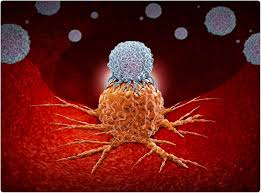
To understand why this discovery is shaking the foundations of immunology, one must understand the gland’s primary role. The thymus acts as a “training camp” for T cells—the elite soldiers of the immune system. These cells are taught to distinguish between the body’s own healthy tissue and foreign invaders like viruses or mutated cancer cells.
While it was long thought that the thymus “retired” after adolescence, this new data suggests that adults who maintain a more active, robust thymus—measured by its size and density—possess an immune “reservoir” that protects them well into old age.
“The thymus has been overlooked for decades and may be a missing piece in explaining why people age differently, and why cancer treatments fail in some patients,” says Hugo Aerts, PhD, director of the Artificial Intelligence in Medicine Program at Mass General Brigham and lead author of the studies.
Landmark Findings: By the Numbers
The research utilized AI to evaluate “thymic health” across two massive datasets. By training algorithms to spot subtle variations in tissue density that the human eye often misses on routine CT scans, researchers uncovered a direct link between thymic vigor and survival.
1. General Longevity and Heart Health
In a study of over 25,000 adults, researchers found that those with high thymic health scores experienced:
-
50% lower risk of all-cause mortality.
-
63% reduced risk of death from cardiovascular disease.
-
36% lower incidence of lung cancer.
Even after accounting for age, sex, and lifestyle habits, the thymus remained a “master switch” for health.
2. A Game-Changer for Cancer Treatment
A companion study focused on 1,200 cancer patients undergoing immunotherapy—a modern treatment that relies on the body’s own T cells to attack tumors. The results were stark: patients with healthier thymuses had a 37% lower risk of cancer progression and a 44% lower risk of death.
This suggests that for the 40–50% of patients who typically do not respond to immunotherapy, the state of their thymus might be the deciding factor.
Expert Perspectives: A New Frontier
While the findings are compelling, the medical community is maintaining a stance of cautious optimism. Dr. Michael T. Lu, a radiologist at Mass General Brigham not involved in the core analysis, highlighted the role of technology in this breakthrough. He noted that the AI’s ability to quantify “thymic health” from routine scans could eventually turn a standard chest CT into a powerful preventative screening tool.
However, some immunologists urge a balanced view. Dr. Nicolai J. Birkbak, a co-author from the University of Copenhagen, suggests that while monitoring the thymus could personalize prevention, we must be careful not to view it in isolation. Some experts argue that a declining thymus may be a symptom of general biological aging (senescence) rather than the sole cause of it. In other words, a healthy thymus might simply be a reflection of an otherwise healthy lifestyle.
Practical Implications: How to Protect Your Immune Engine
What does this mean for the average person? While you cannot “work out” your thymus like a muscle, the research identified several factors that correlate with poor thymic health:
-
Chronic Inflammation: The primary enemy of the thymus.
-
Smoking and Obesity: Both were strongly linked to accelerated thymic shrinkage.
Protecting Your Thymus
To support immune resilience as you age, medical experts emphasize “lifestyle first” interventions:
-
Anti-Inflammatory Nutrition: Diets rich in omega-3 fatty acids, colorful vegetables, and fruits may help curb the inflammation that degrades the thymus.
-
Weight Management: Reducing body fat may slow the “fatty infiltration” (involution) of the gland.
-
Smoking Cessation: Avoiding tobacco is critical, as smoking is linked to eight million deaths annually and significantly impairs T cell production.
Limitations and the Road Ahead
Despite the excitement, researchers stress that these studies are observational. They show a strong association between a healthy thymus and a longer life, but they do not yet prove that “fixing” a thymus will automatically restore youth.
Current AI scoring is not yet a standard clinical tool, and the findings need to be replicated in more diverse global populations. However, the future looks busy; upcoming clinical trials are set to explore whether certain drugs, such as Interleukin-7, can physically regenerate the thymus or if anti-inflammatory treatments can revive its function in older adults.
Conclusion
The “disposable” organ of our youth has emerged as a sentinel of our old age. As we move toward a future of personalized medicine, the thymus gland may no longer be a footnote in anatomy textbooks, but a primary target for extending the “healthspan” of the global population. By unlocking the secrets hidden in our chest, we may find new ways to ensure our immune systems remain as vigilant at eighty as they were at eighteen.
References
- https://scitechdaily.com/this-simple-blood-test-could-outperform-bad-cholesterol-in-preventing-heart-disease/
Medical Disclaimer: This article is for informational purposes only and should not be considered medical advice. Always consult with qualified healthcare professionals before making any health-related decisions or changes to your treatment plan. The information presented here is based on current research and expert opinions, which may evolve as new evidence emerges.