 0
0
 0
0
Published: June 15, 2026
KINSHASA, DEMOCRATIC REPUBLIC OF CONGO — The Democratic Republic of Congo (DRC) reported a dramatic single-day increase in Ebola cases, documenting 72 new infections within a 24-hour window. This sudden spike brings the total number of confirmed cases to 782 as of June 14, 2026. Marking one of the largest single-day surges since the onset of the crisis, the outbreak has officially breached two previously unaffected health zones in the eastern region of the country. International health agencies and local authorities are scrambling to contain the geographic expansion of the virus, which is driven by a rare and lethal variant that currently lacks approved vaccines or targeted therapies.
The Outbreak by the Numbers: Rapid Spread and Fatalities
According to the latest situation report from the Congolese Ministry of Health, the death toll has climbed to 181 individuals among the 782 laboratory-confirmed cases. This current crisis represents the 17th recorded Ebola incident within the DRC, historically concentrated in three highly vulnerable eastern provinces: Ituri, North Kivu, and South Kivu.
The most alarming development for epidemiologists is the virus’s recent entry into the Ia-N health zone of Ituri and the Mabalako health zone in North Kivu. The geographical footprint of the disease is expanding rapidly: confirmed cases have now been documented in 20 out of 36 health zones in Ituri, 10 out of 34 health zones in North Kivu, and one health zone in South Kivu.
Understanding the Threat: The Bundibugyo Strain
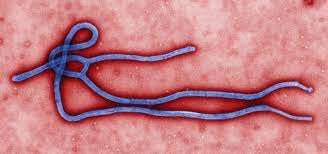
The primary factor complicating containment efforts is the specific pathogen driving this outbreak: the Bundibugyo strain (Bundibugyo ebolavirus). Unlike the more common Zaire strain—which heavily impacted West Africa from 2014 to 2016 and can be managed with established vaccines like Ervebo—the Bundibugyo variant presents unique scientific and clinical challenges.
Historically, this strain has only been documented twice before in human populations: first during a 2007 outbreak in Uganda, and later in a 2012 outbreak spanning both Uganda and the DRC. Because of its rarity, it remains poorly understood by medical researchers, and there are currently no verified vaccines or approved specific antiviral treatments available for it.
The mortality rate for the Bundibugyo strain ranges between 30% and 50% among infected individuals, with current outbreak data averaging a case fatality rate of approximately 33%.
“The Bundibugyo strain has no vaccine, no specific treatment,” warned Dr. Samuel-Roger Kamba, Congo’s Minister of Health, during a public address. “This strain has a very high fatality rate, which can reach 50 percent.”
Global Agencies Escalate the Emergency Level
In response to the shifting logistics of the outbreak, the World Health Organization (WHO) has officially escalated the public health threat level from “high” to “very high” at the national level within the DRC.
WHO Director-General Dr. Tedros Adhanom Ghebreyesus outlined the baseline geographical risk during a press briefing:
“We are revising the risk assessment—very high at the national level, high at the regional level, and low at the global level.”
During a diplomatic and operational visit to Bunia, the current epicenter of the outbreak, Dr. Tedros sought to balance urgency with historical confidence.
“16 times, this country has defeated Ebola. The 17th will be no different. But we must act now, together,” Dr. Tedros stated. However, he did not minimize the operational hurdles ahead, acknowledging that “the outbreak had a big head-start, and we’re still trailing,” though he insisted that coordinated response teams are actively catching up.
The Scientific Race for a Vaccine
With no preventative tools currently available on the market, global health coalitions are aggressively funding candidate vaccines specifically engineered to target the Bundibugyo strain. The Coalition for Epidemic Preparedness Innovations (CEPI) announced a $62 million financial allocation to accelerate the development of three distinct vaccine candidates.
[Candidate 1: rVSV Bundibugyo (IAVI)] ───► Single-dose ───► Trials in 7-9 Months
[Candidate 2: ChAdOx1 (Oxford/SII)]    ───► Viral Vector ──► Trials in 2-3 Months (Pending Animal Data)
The frontline candidates include:
-
rVSV Bundibugyo: Developed by the International AIDS Vaccine Initiative (IAVI). This single-dose candidate relies on a vesicular stomatitis virus vector but is estimated to require an additional 7 to 9 months before clinical trials can safely begin on the ground.
-
ChAdOx1 Bundibugyo: Produced via a partnership between Oxford University and the Serum Institute of India. This candidate utilizes a modified chimpanzee adenovirus vector and could theoretically be deployed for efficacy assessments within 2 to 3 months, though essential animal safety data remains pending.
Independent experts urge caution regarding these expedited timelines. Dr. Celine Gounder, an infectious disease specialist and epidemiologist who treated patients during the historic West African Ebola epidemic, emphasized the harsh reality of vaccine timelines during an interview: “There’s nothing even close to ready for clinical trials [for immediate deployment].”
Operational Mobilization and Containment Strategies
To assist local healthcare infrastructure, the WHO has deployed more than 100 specialized personnel to eastern Congo, shipped 40 tonnes of medical equipment and protective supplies, and erected field laboratories in five heavily impacted areas to shift testing protocols closer to the actual communities affected.
Financially, the response requires massive international backing. The WHO has launched a $580 million, six-month comprehensive strategic plan aimed at scaling up border screening measures and establishing isolated Ebola Treatment Centers (ETCs). Concurrently, the Africa Centres for Disease Control and Prevention (Africa CDC) has introduced a joint continental preparedness response plan, requesting $518 million to fortify neighboring African nations against cross-border transmission.
Understanding Transmission and Prevention
For health-conscious consumers and travelers, public health agencies emphasize that the structural risk outside of the immediate region remains minimal. The European Centre for Disease Prevention and Control (ECDC) assesses the current infection risk for residents in the EU/EEA as “very low.”
Ebola is not an airborne virus like influenza or COVID-19. It requires direct contact with the bodily fluids—including blood, urine, feces, saliva, sweat, vomit, and semen—of an individual who is actively displaying symptoms, or contact with surfaces contaminated by these fluids.
┌────────────────────────────────────────────────────────────────────────┐
│                      CRITICAL INFECTION CONTROL                        │
├────────────────────────────────────────────────────────────────────────┤
│  1. Avoid contact with bodily fluids of symptomatic individuals.       │
│  2. Implement strict personal protective equipment (PPE) for medics.    │
│  3. Conduct rigorous contact tracing within 21 days of exposure.       │
└────────────────────────────────────────────────────────────────────────┘
For individuals residing in or traveling through affected health zones, strict adherence to sanitation protocols is vital. Local healthcare professionals are executing advanced infection control workflows, including the mandatory use of heavy-duty Personal Protective Equipment (PPE) to completely isolate skin and mucous membranes from potentially infectious materials.
Structural Limitations and Local Challenges
Despite technical interventions, epidemiologists fear the official metrics represent an undercount. Olivier Le Polain, a WHO epidemiologist stationed directly in Beni, warned that “there are still many blind spots in certain high-risk areas.” Because the virus quietly circulated undetected for several weeks—with initial transmissions potentially occurring as early as January 2026—the pathogen gained a significant biological foothold before formal surveillance networks flagged the anomalies.
Furthermore, containment efforts are facing severe friction from non-medical variables. Widespread, uncoordinated travel bans implemented by neighboring territories are disrupting vital medical supply chains and preventing expert personnel from moving efficiently. Additionally, deep-rooted community distrust born of decades of regional conflict, coupled with sub-optimal contact tracing, continues to mask transmission chains. Dr. Tedros has explicitly urged nations to reconsider blanket travel prohibitions, noting that they do more to impede the international response than to safeguard public health.
Reasons for Optimism Amid the Crisis
While the statistical data warrants high alert, clinical milestones offer a clear counter-narrative to panic. Global health authorities have confirmed that six individuals within the DRC and two individuals in neighboring Uganda have successfully defeated the infection and recovered. These cases prove that aggressive supportive care—primarily intravenous hydration, electrolyte stabilization, and symptom management—significantly improves survival odds, even in the absence of a targeted drug.
“Ebola is a very serious disease, but it is one that we know how to control,” reiterated Mohamed Janabi, WHO’s Director for Africa, emphasizing that established public health protocols remain highly effective when properly resourced.
Reflecting on how far global health infrastructure has progressed, Dr. Daniel Bausch, an infectious disease specialist who has managed more than a dozen viral hemorrhagic fever outbreaks, noted that our scientific baseline has fundamentally shifted over the last decade. “The fact that we’re even discussing [experimental vaccine] trials is a world away from where we were in 2014,” Bausch observed. The infrastructure built during previous crises means the global medical community is far better equipped to push back against the virus’s head-start.
Medical Disclaimer
Medical Disclaimer: This article is for informational purposes only and should not be considered medical advice. Always consult with qualified healthcare professionals before making any health-related decisions or changes to your treatment plan. The information presented here is based on current research and expert opinions, which may evolve as new evidence emerges.
References
- https://www.reuters.com/business/healthcare-pharmaceuticals/congo-says-782-ebola-cases-confirmed-two-new-health-zones-affected-2026-06-14/